
Planting
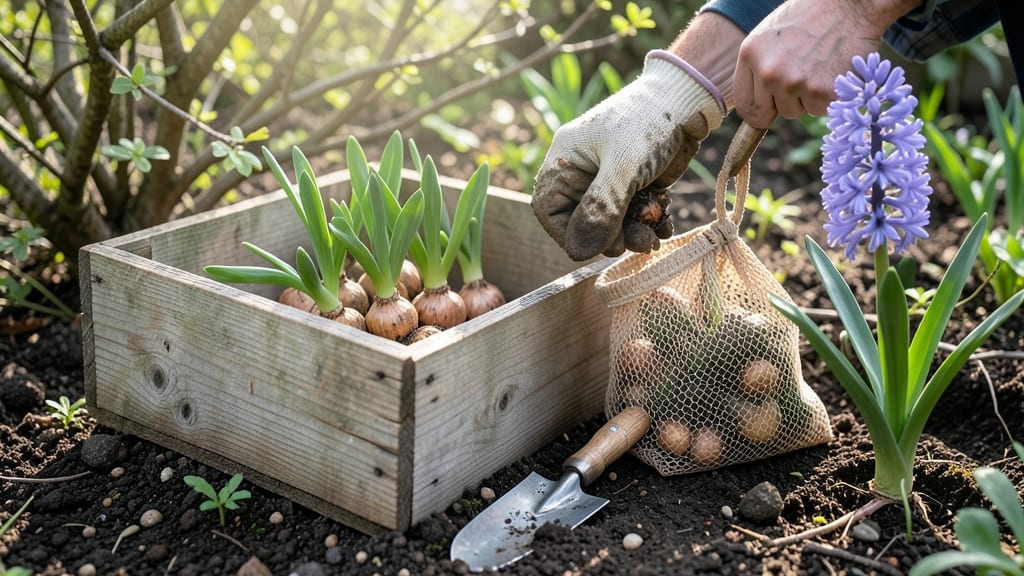
McClure and Zimmerman bulbs are the unsung heroes of Zone 5B gardens—reliable, striking, and built to outlast winters most perennials can't survive. 🌱 I've grown them for years, and they've never let me down, even through our harshest winters. Their secret?
A combination of cold hardiness and late-season blooms that keep your garden vibrant long after spring ephemerals fade. These bulbs thrive in well-draining soil with just 4-6 hours of sunlight daily, making them perfect for borders, cottage gardens, or even woodland edges.
Varieties like Allium 'Purple Sensation' or Fritillaria meleagris deliver bold colors without the fuss of annuals. The key is planting them 6-8 inches deep in fall, when soil temperatures drop below 60°F—that's when they start their natural cold stratification.
What you'll end up with is a garden that stays lively from early spring through late summer, with minimal care. The foliage disappears gracefully, leaving no mess, and the bulbs multiply over time, giving you more plants for free. Even in my busiest gardening seasons, these bulbs handle themselves.
They're particularly great for low-maintenance gardeners or anyone tired of replanting annuals. Once established, they'll return year after year, proving that cold-hardy perennials can be just as dramatic as their tender cousins.
📚 In This Guide
- What you need
- Instructions
- Tips and common mistakes
- Wrapping up and next steps
What you need
- ● McClure and Zimmerman bulbs: 3–5 bulbs per plant (larger bulbs yield bigger blooms). Choose certified disease-free specimens.
- ● Well-draining potting mix or garden soil: 1–2 bags (amend garden soil with compost for better fertility).
- ● Garden trowel or bulb planter: 1 (for digging holes 6–8 inches deep).
- ● Organic mulch (straw, pine needles, or shredded leaves): Enough to cover 2–3 inches after planting.
- ● Watering can or hose with gentle spray nozzle: 1 (avoid overwatering—these bulbs hate soggy roots!).
- ○ Garden gloves (optional but recommended): 1 pair (to protect hands from sharp soil and bulb skins).
- ● Slow-release fertilizer (10-10-10 or bulb-specific formula): 1 small bag (mix 1 tbsp into planting hole for a nutrient boost).
- ● Plant markers or stakes: 3–5 (to label varieties if mixing types).
- ● Garden fork: 1 (for loosening compacted soil before planting).
- ● Frost cloth or row cover: 1 roll (for early spring protection in late frosts).
- ● Drip irrigation system: 1 (for automated watering in dry climates).
How to plant and maintain McClure and Zimmerman bulbs
These cold-hardy perennials reward patience with striking foliage and resilient growth—here's how to set them up for years of color.
🌱 Step 1: Select the Right Planting Location
McClure and Zimmerman bulbs thrive in partial shade to full sun, but their natural woodland origins mean they prefer morning sun and afternoon shade in hotter climates. Choose a spot with well-draining soil—these bulbs rot easily if left soggy. I always test drainage by digging a hole, filling it with water, and waiting to see if it drains within an hour.
Amend heavy clay soil with 2-3 inches of compost to improve aeration. The bulbs' fibrous roots spread aggressively, so space them 6-8 inches apart in clusters of 3-5 for a natural, lush look. Avoid low-lying areas where water pools after rain—this is their #1 enemy.
🪴 Step 2: Plant at Proper Depth and Timing
Timing matters most: plant in early fall (6-8 weeks before first frost) so roots establish before winter. The bulbs' pointed end should face upward, planted at a depth of 3-4 inches—deeper than most spring bulbs because they need winter insulation. I use a trowel to dig holes just wide enough to hold the bulb snugly.
Cover the bulb with soil and water deeply to settle it. Mulch with 2-3 inches of shredded leaves or straw after planting to protect from freeze-thaw cycles. The mulch layer prevents soil heaving, which can push bulbs too close to the surface and expose them to frost damage.
☀️ Step 3: Provide Seasonal Care for Year-Round Success
Leave foliage until it yellows completely in early summer—this recharges the bulbs for next year's bloom. Water 1-2 times per week during active growth (spring through early fall) until the soil feels 2 inches dry. In winter, reduce watering to once every 3-4 weeks unless snow covers the ground.
Fertilize lightly in early spring with 5-10-10 granular fertilizer (½ cup per 10 square feet). These bulbs don't need heavy feeding—they thrive on organic matter from decomposed leaves. Divide clumps every 3-4 years in early fall if growth slows, lifting bulbs and separating offsets with a clean knife.
✂️ Step 4: Prune and Maintain for Long-Term Beauty
Cut back faded foliage at ground level once it turns completely brown, but never before—this is how the bulbs store energy. In late summer, trim any seed stalks that appear to redirect energy toward bulb development. I always sterilize my pruners with rubbing alcohol between cuts to prevent fungal spread.
Watch for yellowing leaves in spring—this signals overwatering or poor drainage. Adjust your watering schedule immediately. These bulbs are tough, but they'll tell you when something's wrong. A healthy plant produces 2-3 feet tall foliage with striking variegation, making them a standout in shade gardens.
Tips & tricks for perfect McClure and Zimmerman bulbs
These woodland beauties need special attention to flourish—here's how to give them the care they deserve.
Location Intelligence: The morning sun and afternoon shade preference isn't just about light—it's about temperature control. In hotter climates, afternoon shade prevents heat stress that can scorch their variegated foliage. I've seen these bulbs thrive in spots that get 4-6 hours of morning sunlight with complete afternoon relief, especially in Zone 5B where summer temperatures can spike unexpectedly.
Drainage Test That Works: That hour-long drainage test in Step 1 is non-negotiable. I've learned the hard way that these bulbs won't tolerate soggy conditions—even for short periods. If your soil doesn't drain within that hour, consider planting them in raised beds or containers with drainage holes. The key is mimicking their natural woodland habitat where water quickly drains away after rain.
Frost Protection Strategy: The 6-8 week window before first frost is critical for root establishment. I've found that adding an extra 1-2 inches of mulch in particularly cold winters (below 10°F) provides that extra insulation layer. This prevents the freeze-thaw cycles that can heave bulbs too close to the surface, which is especially important in Zone 5B where winter temperatures can fluctuate dramatically.
Fertilizer Timing Secret: That spring feeding with 5-10-10 isn't just about nutrients—it's about timing. Apply it when you first see new growth emerging in early spring, but avoid fertilizing after mid-summer. The bulbs need time to process those nutrients before winter dormancy begins. I've noticed that plants fertilized too late often produce weaker foliage the following year.
Pro Tips for Mcclure And Zimmerman Bulbs
- These woodland beauties need special attention to flourish—here's how to give them the care they deserve.
- Location Intelligence: The morning sun and afternoon shade preference isn't just about light—it's about temperature control.
- Drainage Test That Works: That hour-long drainage test in Step 1 is non-negotiable.
Frequently asked questions
Got questions about growing McClure and Zimmerman bulbs? You’re not alone! These cold-hardy beauties are stunning, but they do have their quirks. Below, we’ve answered the most common questions to help you plant, care for, and enjoy them with confidence.
How cold can McClure and Zimmerman bulbs tolerate in Zone 5B?
Both varieties are exceptionally hardy—they thrive in Zone 5B’s harsh winters (down to -15°F/-26°C) without extra protection. Plant them in well-draining soil, and they’ll naturalize beautifully, returning year after year. Just avoid soggy spots, which can rot bulbs even in cold climates.
When is the best time to plant these bulbs in my region?
For Zone 5B, plant bulbs in early fall (September–October), about 6–8 weeks before the ground freezes. This gives roots time to establish before winter. If you miss fall, you can plant in early spring (March–April), but blooms may be delayed the first year.
Do I need to fertilize McClure and Zimmerman bulbs?
These bulbs are low-maintenance but appreciate a light feeding in early spring (just before shoots emerge). Use a balanced, bulb-specific fertilizer (10-10-10) or compost. Avoid high-nitrogen fertilizers, which can weaken blooms. Mulch lightly in winter to protect roots—no extra fertilizer needed!
What should I do if my bulbs aren’t blooming?
Missing blooms often mean one of three things:
- Too much shade: These bulbs need full sun (6+ hours/day) for robust flowers.
- Overcrowding: Divide bulbs every 3–4 years if clumps grow dense.
- Improper planting depth: Plant bulbs 6–8 inches deep (twice their height) for best results.
Are there any alternatives to McClure and Zimmerman bulbs for Zone 5B?
If you love their late-spring/early-summer blooms, try these cold-hardy alternatives:
- Allium ‘Purple Sensation’ – Dramatic globe-shaped flowers, deer-resistant.
- Fritillaria meleagris (Snake’s Head) – Checkered blooms, thrives in partial shade.
- Camassia leichtlinii – Tall, grass-like foliage with striking blue spikes.
Wrapping up and next steps
McClure and Zimmerman bulbs are the perfect choice for gardeners in Zone 5B, offering stunning blooms and low-maintenance resilience even in chilly climates. Their ability to thrive with minimal care makes them a game-changer for both beginners and seasoned green thumbs alike.
Whether you're revamping your garden or simply adding a pop of color, these bulbs deliver beauty and durability year after year!
Ready to transform your outdoor space? Grab your gloves and get planting! Start by selecting your favorite varieties, then follow the steps above to create a showstopping garden that wows every season. 🌱✨