
Planting
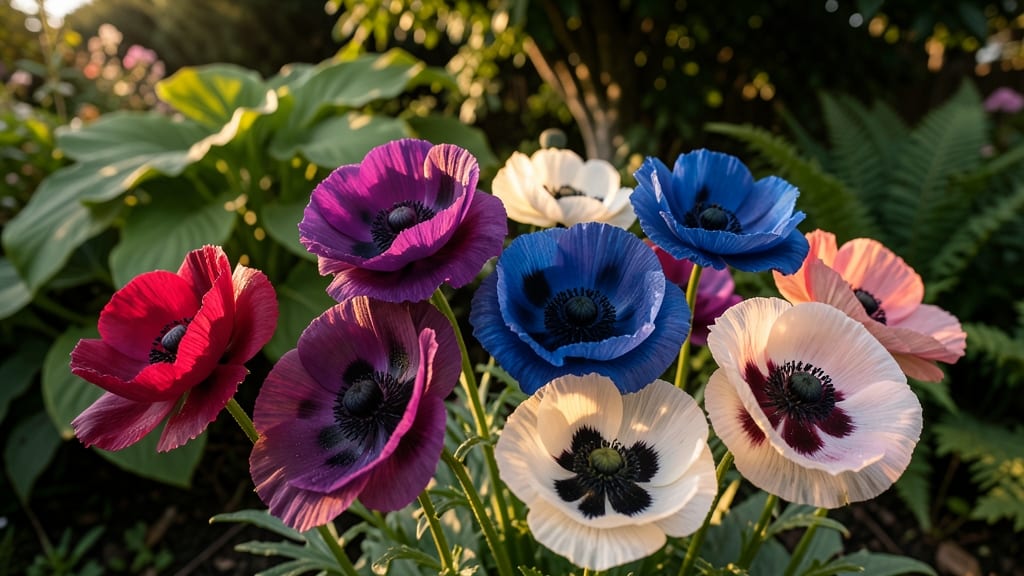
Fall is the perfect time to plant perennial bulbs that thrive in cold climates and reward you with years of blooms. These 10 cold-hardy varieties multiply effortlessly, creating stunning displays with minimal maintenance once established.
Daffodils for Early Spring Color
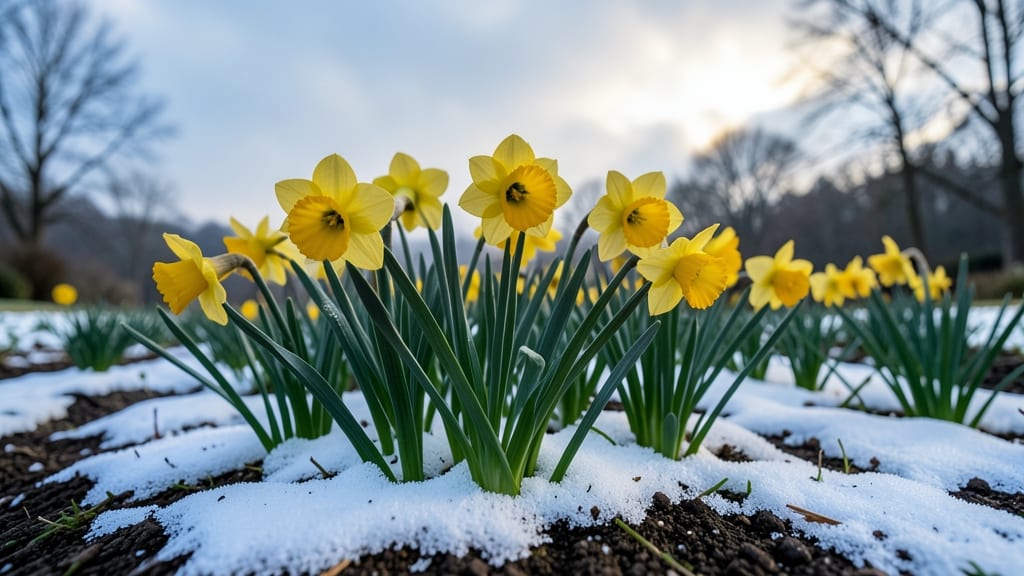
Brighten your garden before most plants even think about waking up with daffodils—the first perennials to push through snow and cheerfully announce spring's arrival. Their toxic foliage naturally deters deer and rodents, making them a practical and pretty choice for problem areas.
Plant these sun-loving bulbs in well-drained soil 6-8 inches deep and 4-6 inches apart in fall for blooms that appear 4-6 weeks earlier than tulips. Choose from classic yellow varieties like 'Tête-à-Tête' (great for containers) or striking orange and white hybrids like 'Ice Follies' for bold contrast. They thrive in full sun and naturalize beautifully in meadows or along sunny borders.
Perfect for beginners and low-maintenance gardeners, daffodils multiply annually and return year after year with minimal care. Their early blooms provide crucial nectar for emerging pollinators when little else is available. 🌻
Tulips That Return Year After Year
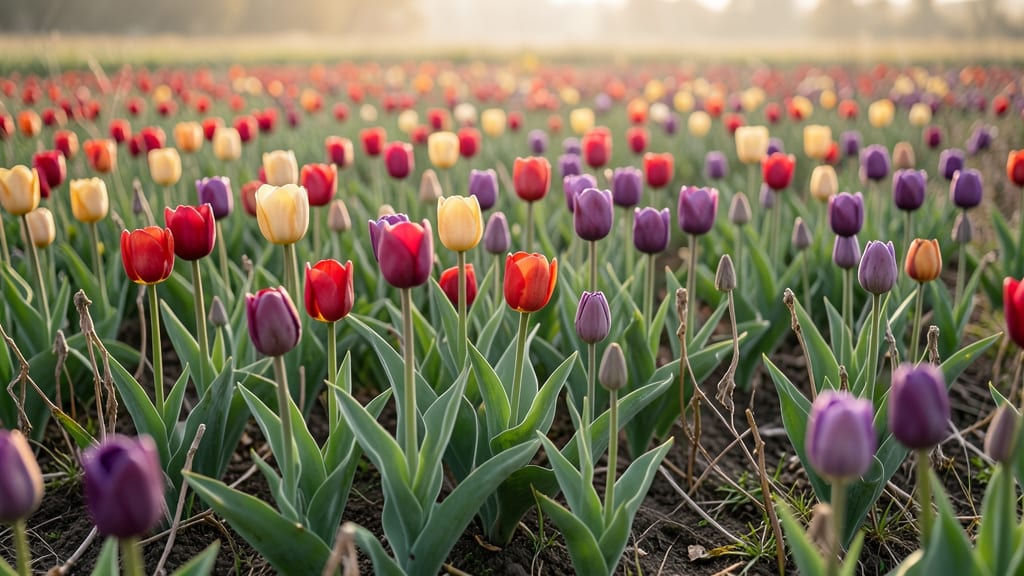
Want spring blooms that keep coming back without the annual replanting? Tulips are the answer—specifically perennializing varieties that multiply reliably when given the right conditions. Unlike their short-lived cousins, these bulbs naturalize over time, creating lush drifts of color that return year after year.
For best results, plant them in well-drained soil with 6-8 hours of sun and space bulbs 4-6 inches apart. Varieties like 'Darwin Hybrid' or 'Kaufmanniana' (also called species tulips) are top performers, thriving in USDA zones 3-8. Deadhead spent blooms but leave foliage until it yellows to fuel next year’s growth.
These tulips are a cutting garden dream, offering tall stems perfect for bouquets while adding height to spring arrangements. Urban gardeners and small-space growers will love how they adapt to containers with proper drainage. 🌟
Alliums for Dramatic Purple Spikes
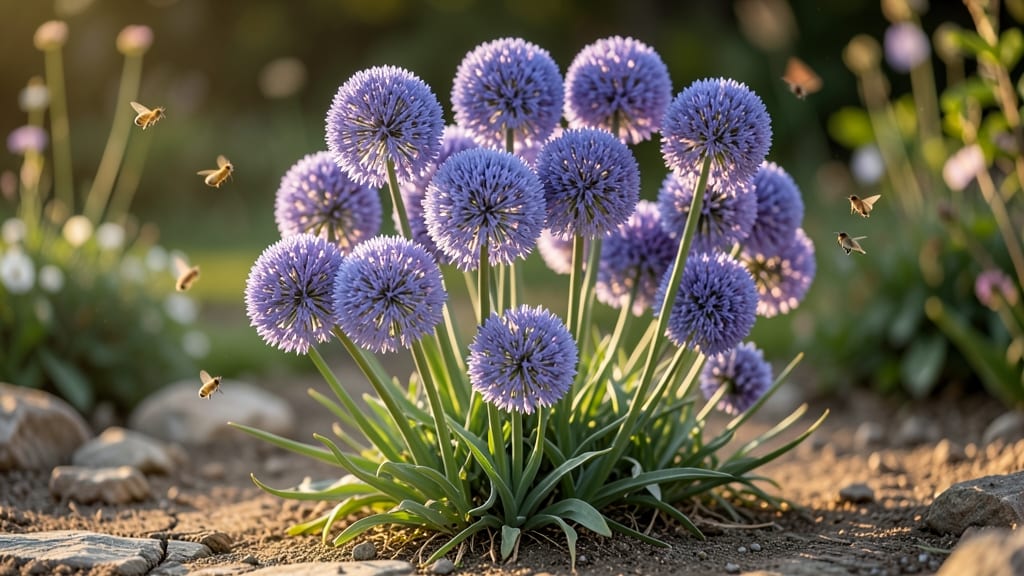
If you crave dramatic height and pollinator-friendly blooms without the fuss, alliums are your secret weapon. These globe-shaped flowers stand tall (often 2-4 feet) and thrive in conditions where other plants struggle—even poor, rocky soil—while attracting bees, butterflies, and hummingbirds.
Plant allium bulbs in fall for a late spring/early summer show, choosing varieties like 'Globemaster' (giant purple spheres) or 'Purple Sensation' (compact clusters). They prefer full sun but tolerate partial shade, and their drought-tolerant nature means less watering once established. For maximum impact, group them with low-growing perennials to create striking vertical contrast.
Perfect for urban gardens, cottage-style beds, or modern landscapes, alliums offer year-after-year drama with almost no maintenance. Just plant, forget, and enjoy the architectural wow factor! ✨
Crocus for Early Pollinator Support
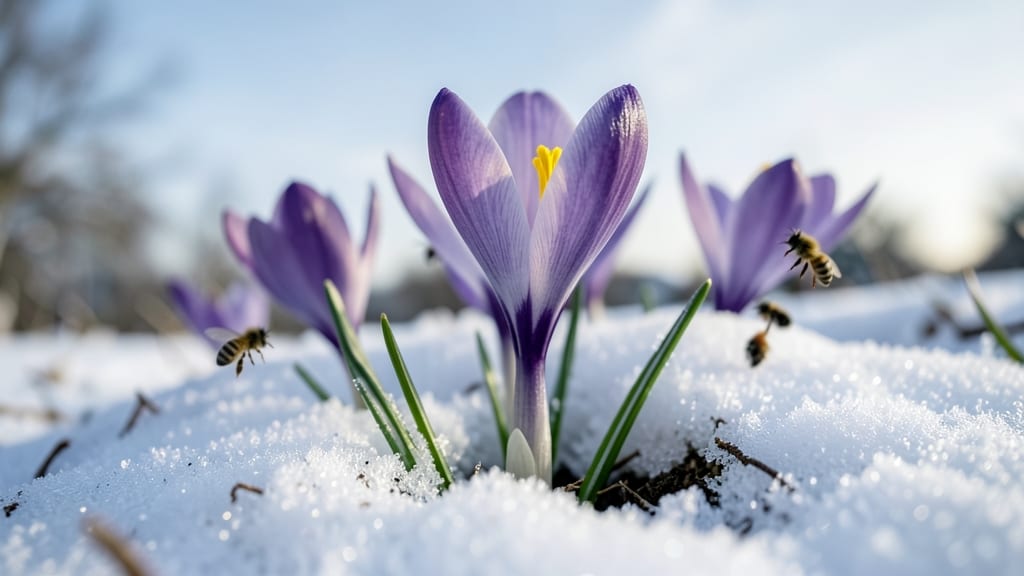
When winter’s grip still lingers, crocus emerges as nature’s unsung hero—pushing through snow to offer bees their first meal of the season. These tiny but mighty blooms are one of the earliest perennial bulbs to plant in fall, ensuring your garden becomes a vital food source for pollinators when food is scarce.
Plant crocus bulbs 3–4 inches deep in well-draining soil, and they’ll reward you with delicate cup-shaped blooms in shades of purple, white, or yellow. Their compact size makes them ideal for rock gardens, lawns, or even containers—just ensure they get full sun to partial shade. Bonus: They naturalize effortlessly, creating cheerful carpets of color year after year.
Perfect for urban gardeners with small spaces or those who want to support early pollinators, crocus is a low-maintenance superstar that thrives in cold climates. 🌱
Hyacinths with Intoxicating Fragrance
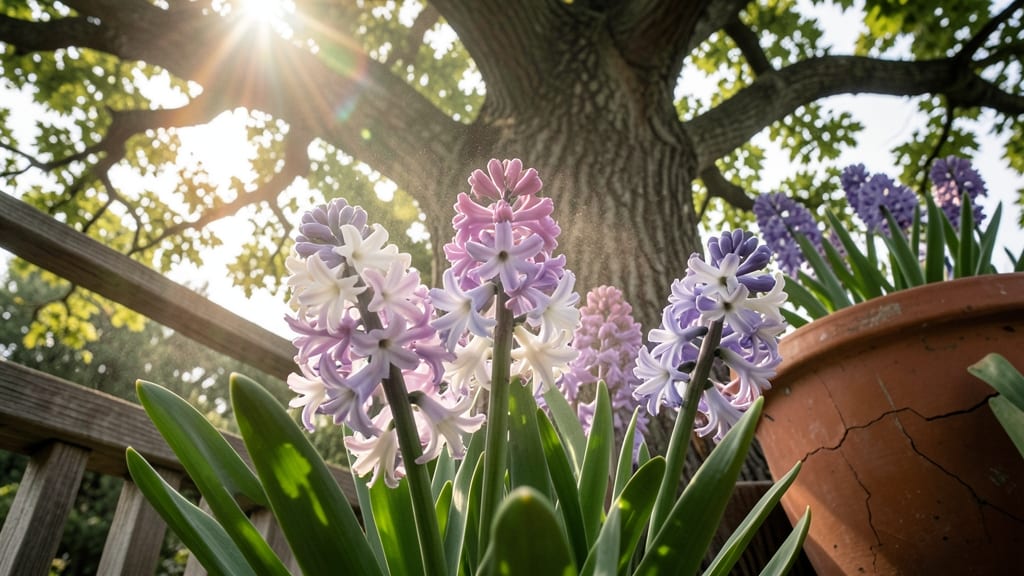
Transform your garden into a sensory paradise with hyacinths, whose intoxicating fragrance fills the air with sweet, spicy notes that linger for days. Unlike sun-loving bulbs, these thrive in partial shade, making them perfect for under trees, shaded balconies, or containers where other flowers struggle.
Plant hyacinth bulbs 6 inches deep in well-draining soil during fall, and you’ll be rewarded with dense clusters of blooms in early spring. Their self-multiplying nature means each bulb becomes several over time, creating a fragrant carpet of color. Choose from deep purple, pink, or white varieties to match your garden’s palette.
Urban gardeners and small-space planners will love how hyacinths bring fragrance to tight areas—just one pot can perfume an entire patio. Their compact size and shade tolerance make them the ultimate low-maintenance scent machine. 🌷
Fritillaria for Unique Checkered Blooms
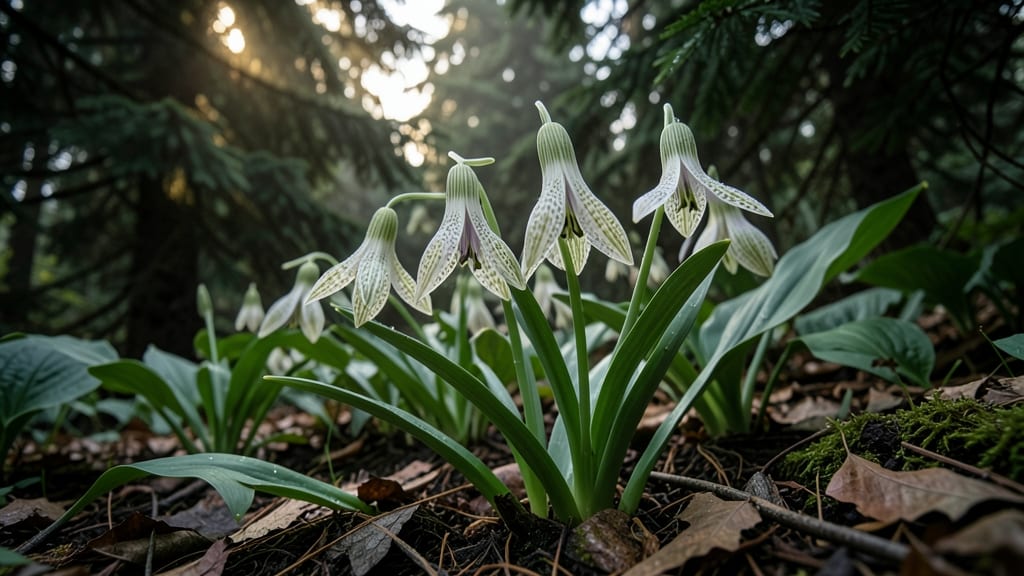
If you're looking to add a touch of exotic elegance to your shaded garden, fritillaria bulbs are your secret weapon. Their checkered, bell-shaped blooms resemble delicate lacework, creating a striking contrast against dark foliage or woodland mulch.
Plant these bulbs in partial to full shade during fall, mimicking their natural woodland habitat. Most varieties thrive in well-drained soil with minimal fertilizer, and their striking patterns make them ideal for conversation-piece gardens or understory plantings. The imperial fritillaria even produces fragrant, crown-shaped blooms on tall stems, while meleagris (snake's head fritillaria) features intricate checkered patterns that resemble a snake's skin.
Perfect for gardeners who love unique textures and woodland-inspired designs, fritillaria bulbs reward patience with years of dramatic spring blooms. 🌷
Muscari for Tiny Blue Grape-Like Clusters
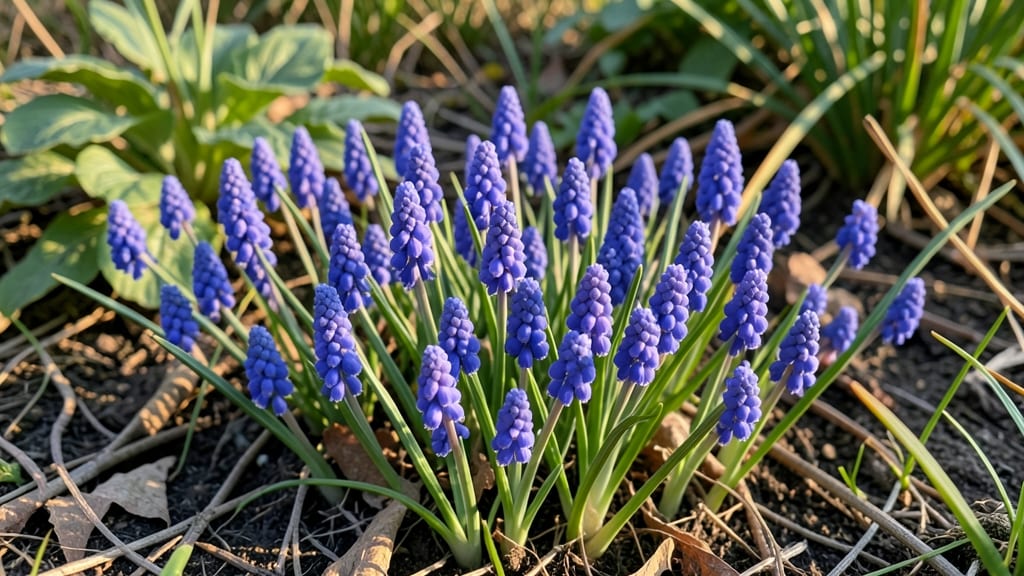
Looking for a low-maintenance perennial that adds a burst of color without demanding perfect soil? Muscari (grape hyacinths) are your answer—these tiny blue clusters thrive where others fail, spreading effortlessly in even the most neglected corners of your garden.
These hardy bulbs bloom in early spring, producing dense, grape-like clusters that sway gently in the breeze. Plant them 3-4 inches deep and 4-6 inches apart for best results—they’ll naturalize over time, creating lush carpets of blue. Drought-tolerant once established, they’re ideal for rock gardens, containers, or edging pathways where their compact size shines.
Perfect for beginners and urban gardeners, muscari multiply quickly, rewarding you with years of cheerful blooms with almost no effort. 🌿
Lilies for Bold Summer Statement
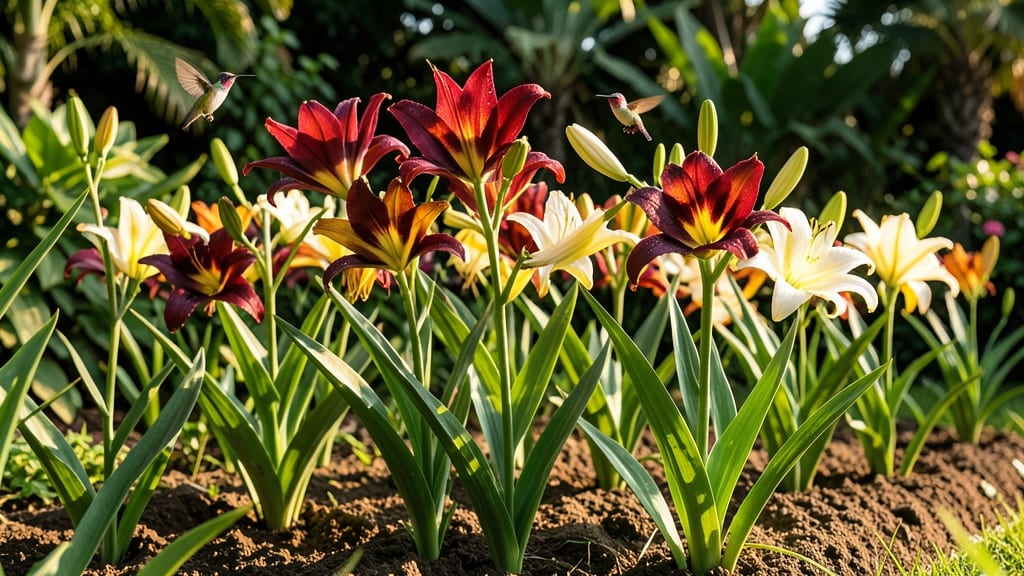
Want to turn your summer garden into a hummingbird magnet with bold, tropical drama? Oriental lilies are the answer—these towering beauties thrive in full sun and multiply aggressively, giving you more blooms each year.
Plant the bulbs in well-draining soil with 6+ hours of sunlight daily, and watch them reward you with fragrant, upward-facing blooms in late summer. Their dark green foliage adds lush contrast, while their striking colors (from pure white to deep red) create a showstopping focal point. Just remember: these bulbs spread rapidly, so give them space to prevent overcrowding.
Perfect for gardeners who love low-maintenance, high-impact plants, Oriental lilies bring a touch of exotic elegance without the fuss. 🌻
Snowdrops for Winter Blooms
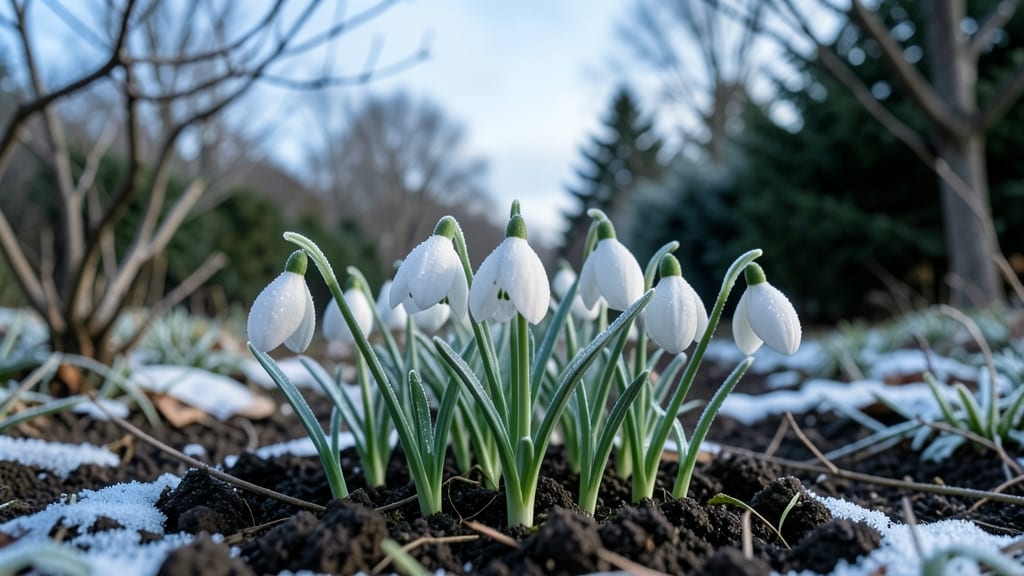
Bring a touch of magic to your winter garden with snowdrops (Galanthus), the delicate harbingers of spring that bloom even under snow. These tiny white flowers symbolize hope and resilience, pushing through frozen ground to announce warmer days ahead with their cup-shaped blooms and drooping petals.
Plant snowdrop bulbs in fall under deciduous trees or in shaded woodland areas where they’ll thrive in partial to full shade. Their naturalizing habit means they’ll multiply rapidly, creating lush colonies over time—just leave the foliage until it yellows completely to fuel next year’s blooms. Choose varieties like 'Galanthus nivalis' for classic white flowers or 'Galanthus elwesii' for larger, early-blooming stalks.
Perfect for gardeners with shady spots or woodland gardens, snowdrops require almost no care once established. Their early blooms provide crucial food for emerging pollinators when little else is available, making them a winter garden essential. 🌱
Anemones for Late-Season Color

When your summer bloomers start fading and you crave a dramatic finish, anemones swoop in like nature's fireworks. These late-season superstars bloom from midsummer through fall, offering bold colors with striking dark centers that catch every eye in the garden.
Thriving in partial shade (3-6 hours of sun), anemones are perfect for understory plantings, woodland gardens, or as cut flowers in arrangements. Their easy-multiplying tubers spread naturally each year, creating lush colonies with minimal effort. For best results, plant in well-drained soil and deadhead spent blooms to encourage more flowers.
Gardeners with shaded spots will love how anemones extend the season's color palette—ideal for urban courtyards, cottage gardens, or as a focal point near patios. Their long vase life makes them a florist's favorite too! 🌷