
Planting
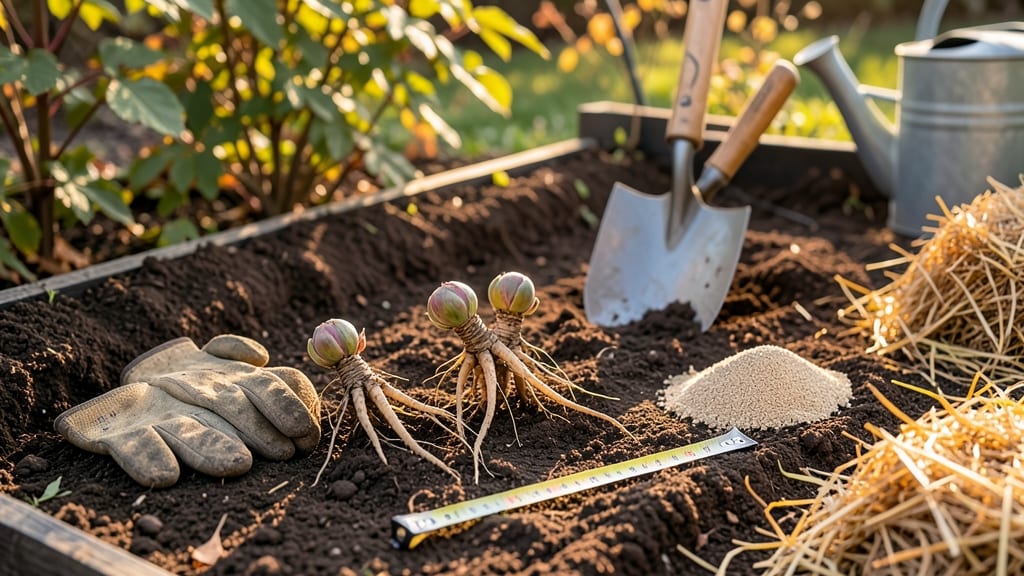
Planting peony bulbs in fall is your secret to showstopping blooms next spring—just when you’re dreaming of garden color. 🌸 The key? Getting them in the ground while soil temps are still warm but before hard frost hits.
I’ve planted hundreds of peonies, and the ones that bloom like crazy every May are the ones that got this timing right. You’ll need a sunny spot with well-draining soil, a shovel, and a little patience. Peonies hate soggy roots, so amending heavy clay with compost makes all the difference.
Plant the bulbs 2-3 inches deep, with the eyes (buds) facing upward—this ensures strong stems and fewer flopping blooms later. Spacing them 3 feet apart gives them room to grow into those lush, bushy plants we all love.
By next spring, you’ll be rewarded with bold, fragrant blooms that last for weeks. The secret’s in the chill: peonies need winter’s cold to trigger their flowering magic. Just water them occasionally through fall, then let winter do the rest. No fuss, just stunning results.
Works for zones 3-8, whether you’re in a cold northern climate or a milder southern one. The only real mistake? Planting too deep or too late—so mark your calendar for that late September to early October window.
📚 In This Guide
- What you need
- Instructions
- Tips and common mistakes
- Wrapping up and next steps
What you need
- ● Peony bulbs: 1–3 per desired plant (depending on desired spacing and variety). Choose healthy, firm bulbs with no signs of rot or damage.
- ● Garden soil: Well-draining, slightly alkaline soil (pH 6.5–7.5). Amend with compost if your soil is heavy or clay-like.
- ● Garden fork or trowel: A sturdy broadfork or digging spade for loosening soil (18–24" deep) and a hand trowel for precision.
- ○ Bone meal or balanced fertilizer (optional but recommended): 1–2 tablespoons per planting hole (10-10-10 or 5-10-10 NPK ratio).
- ● Mulch: 2–3 inches of organic mulch (straw, shredded leaves, or wood chips) to insulate bulbs over winter.
- ● Soil test kit: To check pH and nutrient levels before planting.
- ● Peony-specific fertilizer: Slow-release granules designed for perennials.
- ● Planting grid or marker flags: To map bulb locations (especially useful for larger gardens).
- ● Garden gloves: To keep hands clean while handling soil and bulbs.
- ● Watering can or hose with a gentle spray nozzle: For post-planting hydration without disturbing bulbs.
Step-by-Step instructions for planting peony bulbs in fall
Here's how to plant peony bulbs for showstopping spring blooms—no guesswork, just proven timing and technique.
🌱 Step 1: Choose the Right Location and Prepare the Soil
Peonies thrive in full sun (at least 6-8 hours daily) and well-draining soil. Dig a hole large enough to accommodate the bulb's root system—about 12-18 inches wide and 6-8 inches deep. The goal is to bury the bulb "eyes" (buds at the top) just 2 inches below the soil surface. If buried too deep, they won't bloom; too shallow, and they'll struggle in winter.
Loosen the soil at the bottom of the hole with a trowel to encourage root growth. Amend heavy clay with compost or aged manure to improve drainage, but avoid fresh manure—it can burn delicate roots. I always test the soil pH first; peonies prefer slightly acidic to neutral (6.5-7.0). If your soil is compacted, add a handful of perlite or coarse sand to help water drain.
🪴 Step 2: Plant the Bulbs at the Correct Depth and Spacing
Place the peony bulb in the hole with the "eyes" (those little buds at the top) facing upward. The roots should spread naturally around the sides. For 4 bulbs, space them 3-4 feet apart in all directions—this gives them room to establish without competing for nutrients. Peonies live for decades, so proper spacing now means fewer headaches later.
Cover the roots with soil, but leave the eyes 2 inches above the surface. Press the soil gently around the bulb to remove air pockets, but don’t compact it. A light watering right after planting helps settle the soil and encourages root growth. If you're planting in a windy area, consider staking the stems later in spring to prevent them from flopping.
☀️ Step 3: Mulch and Water for Winter Protection
After planting, spread a 2-3 inch layer of mulch (like shredded bark or straw) around the base of the peonies. This protects the roots from extreme cold and retains moisture during winter. Avoid piling mulch directly against the stems—keep it 2 inches away to prevent rot. In colder climates, a 4-6 inch mulch layer gives extra insulation.
Water the area thoroughly after mulching to help the soil settle and roots establish. Peonies need consistent moisture in fall to prepare for dormancy, but avoid soggy soil—it invites rot. You’ll know you’ve got the right balance when the soil feels damp 2 inches down but not waterlogged. Once the ground freezes, reduce watering to let the bulbs experience natural winter chilling, which triggers those stunning spring blooms.
⏰ Step 4: Monitor and Adjust for Spring Growth
In early spring, remove the mulch to allow the soil to warm and encourage new growth. Peony shoots typically emerge in late winter to early spring, depending on your climate. If you see green shoots poking through the soil, that’s your cue to stop worrying—they’ve survived the winter! Fertilize lightly with a balanced, low-nitrogen fertilizer (like 10-10-10) in early spring to support blooming, but avoid high-nitrogen feeds, which promote leafy growth at the expense of flowers.
Here’s the thing—peonies don’t like to be disturbed once established. If you’ve planted them correctly, they’ll reward you with large, fragrant blooms for years. Watch for signs of stress, like yellowing leaves or no blooms, which often means the bulbs are too deep or the soil is too rich. Adjust next year’s care based on what you observe. And remember: patience is key. It can take 2-3 years for peonies to reach their full bloom potential, but it’s worth the wait.
Tips & tricks for planting peony bulbs
Common pitfalls—and how to sidestep every one. Peonies are forgiving, but these small details make all the difference between a plant that thrives and one that struggles.
Depth is Everything: That 2-inch depth for the bulb eyes (Step 1) is non-negotiable. I learned this the hard way after planting mine too deep—no blooms for two years! Use a ruler or marker on your trowel to check depth before covering. Too shallow, and winter cold will damage the crown; too deep, and spring blooms won't emerge. Think "eyes above the soil line" as your mantra.
Soil Test Saves Heartache: Before amending your soil (Step 1), grab a soil pH test kit from your garden center—it's only $10 and prevents costly mistakes. Peonies hate soggy soil, so if your test shows below 6.5, add a handful of lime to raise the pH. I've seen peonies refuse to bloom in acidic soil that was otherwise perfect. A little prevention goes a long way.
Mulch Like a Pro: That 2-3 inch mulch layer (Step 3) isn't just decoration—it's insulation. In colder zones, I double it to 4-6 inches after the first hard frost. The key is keeping mulch 2 inches away from stems to prevent rot. Pro tip: Use straw instead of wood chips—it breaks down slower and won't compact as much over winter.
Timing is Critical: Plant your peony bulbs in fall when soil temperatures drop below 60°F but before hard frost sets in. This gives roots time to establish before winter dormancy. In warmer climates, aim for October; in colder areas, September works best. I always check my local frost dates and plant 4-6 weeks before the first expected frost—this window is your golden opportunity for success.
Pro Tips for Planting Peony Bulbs In Fall
- Common pitfalls—and how to sidestep every one.
- Depth is Everything: That 2-inch depth for the bulb eyes (Step 1) is non-negotiable.
- Soil Test Saves Heartache: Before amending your soil (Step 1), grab a soil pH test kit from your garden center—it's only $10 and prevents costly mistakes.
Frequently asked questions
Got questions about planting peony bulbs in fall? You’re not alone! Here are some of the most common concerns—and their answers—to help you get it right the first time.
When is the exact best time to plant peony bulbs in fall?
The ideal window is 4–6 weeks before your first hard frost—typically mid-to-late October in most U.S. zones (3–8). Peonies need time to establish roots but also require winter chilling (40–50°F for 6–8 weeks) to bloom. If you miss fall, spring planting is possible, but blooms may be delayed or sparse.
What if I plant peony bulbs too late in fall?
If frost hits before roots establish, mulch heavily (3–4 inches) with straw or leaves to insulate the soil. Peonies are hardy (zones 3–8) and can survive light freezing, but avoid planting after the ground freezes. Late plantings may still bloom, but growth could be slower in the first year.
How deep should peony bulbs be planted?
Peony bulbs (or "eyes") should sit 1–2 inches below soil level. Planting too deep (3+ inches) can rot the crown, while shallow planting may expose it to frost. Dig a hole twice as wide as the root ball to encourage outward growth. Pro tip: Mix compost into the soil for better drainage.
Can I plant peony bulbs in containers or raised beds?
Yes! Containers work well if they’re at least 12 inches deep and have drainage holes. Use a mix of garden soil, compost, and perlite. Raised beds are great too—just ensure they’re not prone to waterlogging. Key note: Move containers to a sheltered spot in winter if temps drop below 10°F.
What if my peony bulbs don’t bloom the first year?
Don’t panic! Peonies often take 2–3 years to establish and bloom. Ensure they get full sun (6+ hours/day) and well-draining soil. Over-fertilizing (especially nitrogen) can delay blooms. If they still don’t flower after 3 years, check for deer damage or crown rot (a mushy, foul-smelling base).
Bonus Tip:
Mark peony planting spots with stakes or flags—these bulbs hate being disturbed! Once planted, they’ll thrive for decades with minimal care. Happy planting!
Wrapping up and next steps
Planting peony bulbs in the fall is your secret weapon for showstopping spring blooms—just give them that chill factor they crave! By choosing the right location, prepping the soil, and timing your planting, you’re setting the stage for years of effortless beauty. 🌸
Now that you’re armed with the know-how, roll up your sleeves and dig in—your future garden’s star is waiting! Next, mark your calendar for spring maintenance (like deadheading and fertilizing) to keep those peonies thriving. Ready to plant? Grab those bulbs and get growing! 🌱