
Plants
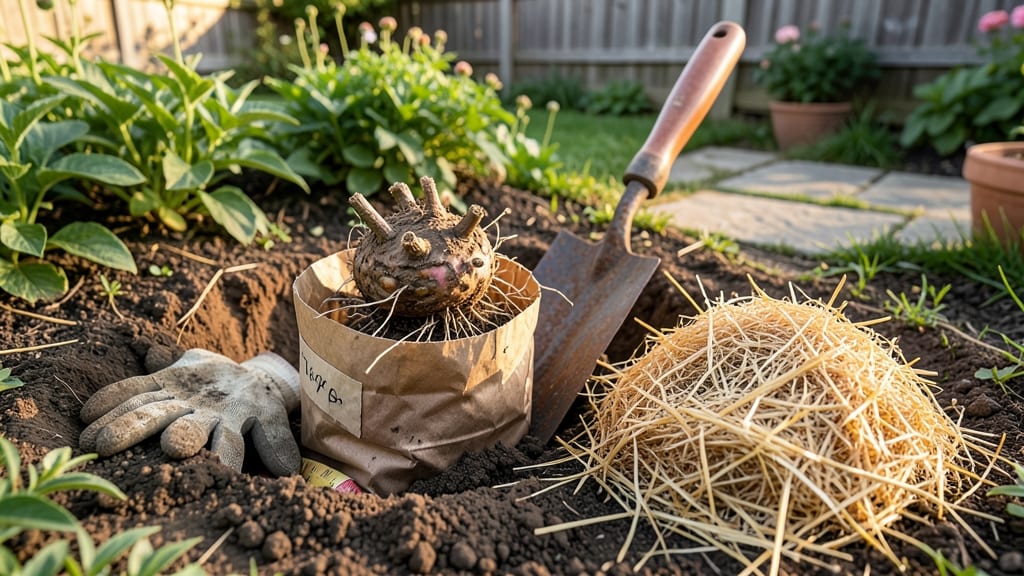
Plant peony bulbs in Ohio when soil temperatures drop to 40-50°F—typically between mid-October and early November—so they establish roots before winter sets in.
Ohio gardeners know timing is everything—plant peony bulbs 🌸 too early, and they’ll rot; too late, and your spring blooms will vanish. But mastering the soil temperature triggers can ensure your peonies thrive for decades with minimal effort.
In USDA Zone 6a, like most of Ohio, the ideal window aligns with when soil cools after summer’s heat, usually after the first frost but before the ground freezes solid. This balance lets the bulbs settle in without risking dormancy or rot.
Below, I’ll break down how to time your planting, what to watch for in Ohio’s clay-heavy soil, and how to adjust for microclimates—so you get those show-stopping blooms year after year.
Ohio peony planting timeline: when soil temperature dictates success
Ohio’s fall planting window for peonies is your golden opportunity to establish roots before winter dormancy. The key? Soil temperatures between 40-50°F—this range signals ideal conditions for root development without risking bulb rot.
In USDA zones 5-7, which cover most of Ohio, this typically translates to mid-October to early November.
Northern Ohio (zones 5-6) often hits these temps by late September or early October, while southern Ohio (zone 7) may wait until mid-October. Planting too early when soils are still warm can trigger premature growth, leaving bulbs vulnerable to frost damage.
Conversely, waiting too late risks insufficient root establishment before winter.
Spring planting is possible but risky—only attempt it if you’re in southern Ohio (zone 7) and can plant by early March when soil temps stabilize above 40°F. Northern gardeners should avoid spring planting entirely, as the short window between thawing and last frost (usually mid-April) leaves no margin for error.
| Planting Window | Soil Temp Threshold | Ohio Regions | Key Risks |
|---|---|---|---|
| Fall (Oct-Nov) | 40-50°F | Zones 5-7 | Bulb rot if too warm |
| Spring (Early Mar) | 40°F+ | Zone 7 only | Dormancy failure |
| Avoid | Below 40°F | All zones | Root shock |
To test soil readiness without a thermometer, use the leaf drop method: when maple or oak leaves begin falling (usually late October in Ohio), soil temps are likely in the ideal range.
Another trick is to dig down 6 inches—if the soil feels cool but not frozen, it’s time to plant.
Ohio’s microclimates add complexity. Urban areas like Columbus often warm up 1-2 weeks earlier than rural zones, while the Appalachian foothills may lag by a similar margin. Adjust your timeline by 10-14 days based on your specific location’s frost history.
Once planted, mulch with 3-4 inches of straw to insulate bulbs during winter’s freeze-thaw cycles, which are common in Ohio. This protects roots from temperature fluctuations that can disrupt dormancy. Remove mulch in early spring (March) to allow soil to warm gradually.
Common mistakes include planting peonies too deep (below 2 inches) or too shallow (above 1 inch), both of which stunt growth. In Ohio’s clay-heavy soils, amending planting holes with compost or sand improves drainage and prevents waterlogging, a major cause of bulb rot.
For container growing in Ohio, use well-draining pots and plant in fall regardless of zone. Containers warm up faster in spring, making them riskier for dormancy failure. Always include drainage holes and avoid plastic pots that retain too much moisture.
Remember: peonies planted at the right soil temperature will reward you with decades of blooms. In Ohio, that means fall planting is non-negotiable for most gardeners—don’t let perfect become the enemy of good. 🌸
5 Critical signs your Ohio soil is ready for peony bulbs
Ohio’s clay-heavy soils can trick even experienced gardeners—what feels "ready" might still be too wet or cold for peony bulbs. Instead of guessing, watch for these natural cues that signal perfect planting conditions without needing a soil thermometer.
Peony bulbs thrive when soil temperatures hover between 40-50°F, but Ohio’s unpredictable fall weather makes timing tricky. These signs—observed by gardeners across USDA zones 5-7—rely on what’s already growing in your yard to avoid costly mistakes.
🌱 Numbered Signs Your Soil Is Ready
- 1. Tulips and Daffodils Have Finished Blooming – These early spring bulbs signal that soil temps have stabilized below 50°F, ideal for peony bulb dormancy.
- 2. Maple Leaves Turn Brown and Fall – Leaf drop in early October confirms ground temps are dropping consistently, protecting bulbs from winter kill.
- 3. Soil Feels Cool but Not Frozen (Squeeze Test) – Grip a handful of soil; if it crumbles when dry but holds shape when wet, it’s plant-ready.
- 4. Companion Plants Like Pansies Survive Without Mulch – Hardy annuals thriving in unprotected soil prove frost isn’t imminent.
- 5. Morning Frost Forms but Disappears by Noon – Light frost cycles indicate stable temps for bulb root establishment.
For clay-heavy Ohio soils, add compost or sand to improve drainage before planting. Test moisture by digging a 6-inch hole—if it drains within 24 hours, your soil is ready. Overly compacted clay? Loosen it with a broadfork to prevent root rot.
Pro tip: Plant peony bulbs in October or early November when these signs align. Bulbs need 4-6 weeks of cool soil to establish roots before winter. Miss this window, and you’ll risk dormancy failure or mold.
Ohio’s microclimates vary—northern gardens may need to wait until mid-October, while southern areas can plant as early as late September. Adjust based on your local first frost date and these natural cues.
Once planted, mulch with 2-3 inches of straw to insulate bulbs from temperature swings. Your peonies will reward you with decades of blooms if you time it right! 🌸