
Blooming
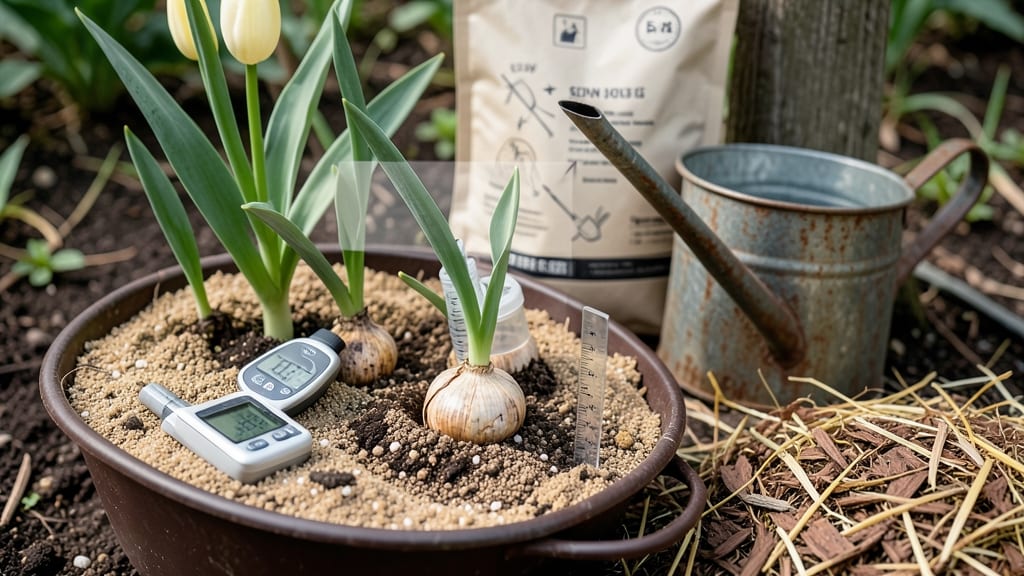
Tulip bulbs not blooming can feel like a mystery—until you know the hidden clues in soil, sunlight, and bulb health. 🌱 I’ve dug up dozens of "dead" bulbs only to find the real problem was something simple (like planting them too deep or starving them of nutrients).
The fix isn’t complicated once you spot the red flags.
Most blooming failures come down to three things: light hunger, root stress, or nutrient starvation. Tulips need 6+ hours of direct sun daily—if yours are tucked under trees, that’s your first clue.
Digging up a bulb to check for shriveled roots or empty centers (a sign of pests or rot) reveals the real story. Even "healthy" bulbs can refuse to bloom if they’re planted in soil that’s too rich (they need lean conditions to force flowering).
Here’s the game-changer: fertilize after blooming with a balanced 10-10-10 mix to rebuild bulb strength for next year. Mulch with 2–3 inches of compost in fall to protect roots without smothering them.
And if your bulbs do shoot up but flop before blooming? That’s a classic sign of overwatering—tulips hate soggy soil. Adjust now, and you’ll see buds by spring.
This works for hybrid tulips, Darwin tulips, or even those stubborn species bulbs that refuse to cooperate. The secret isn’t fancy—it’s paying attention to the details most gardeners overlook. Let’s turn those stubborn roots into a sea of blooms next season.
Hidden Reasons Your Tulips Refuse To Flower
Tulips are finicky but stunning—when they do bloom. If your bulbs are sitting stubbornly in the soil with no sign of those iconic petals, the issue likely stems from one (or more) of these overlooked factors.
Understanding the biological triggers behind tulip dormancy and growth can help you diagnose the problem like a plant scientist. Let’s dig into the real culprits.
Tulips are obligate geophytes, meaning they require a period of cold dormancy to trigger flowering. Without enough chill hours (typically 12–16 weeks below 40°F/4°C), the bulb’s florigen—the hormone that signals blooming—simply won’t activate.
Why it happens:
- Modern climates (warmer winters, urban heat islands) may not provide enough natural cold exposure.
- Forced indoor blooming (like holiday tulips) depletes the bulb’s energy reserves, making it harder to rebloom outdoors.
- Poor soil insulation (e.g., sandy or rocky soil) fails to regulate temperatures, exposing bulbs to inconsistent cold.
Actionable fix:
- 🌡️ Test your winter chill: Use a soil thermometer to track temps. Aim for consistent cold (not just brief freezes).
- ❄️ Pre-chill bulbs: If your zone lacks winter chill, store newly planted bulbs in a fridge (35–40°F/2–4°C) for 8–12 weeks before spring.
- 🌱 Mulch heavily: Apply 4–6 inches of straw or shredded leaves over bulb beds to insulate soil and retain cold.
Tulips are not heavy feeders, and too much nitrogen (the "N" in NPK) sends them into leafy overdrive at the expense of flowers. Excess nitrogen also weakens the bulb’s natural dormancy cycle, confusing its internal clock.
Why it happens:
- Eager gardeners overapply spring fertilizer, thinking more = better blooms.
- Compost or manure (while great for perennials) can be too rich for tulips, promoting lush foliage but no flowers.
- Slow-release fertilizers may still provide too much nitrogen if not tailored to bulbs.
Actionable fix:
- 📉 Use a balanced bulb fertilizer: Opt for a low-nitrogen, high-phosphorus formula (e.g., 5-10-10) after blooming, not before.
- 🚫 Avoid fresh organic matter: Wait until after tulips bloom to add compost—this prevents nitrogen spikes.
- 💧 Water wisely: Overwatering dilutes soil nutrients, but underwatering stresses bulbs. Aim for 1 inch of water weekly (more in drought).
Tulip bulbs are sensitive to light exposure—too much or too little can disrupt flowering. Planting them too shallow or at the wrong time means the bulb may leaf out without committing to a bloom.
Why it happens:
- Shallow planting (less than 6–8 inches deep) exposes the bulb to light, triggering premature sprouting or even rot.
- Late planting (after early fall) gives bulbs insufficient time to establish roots before winter.
- Disturbed soil (e.g., digging around bulbs in spring) can sever root growth, starving the plant.
Actionable fix:
- 📏 Plant at the right depth: Bulbs should sit 6–8 inches deep (twice their height) in well-draining soil.
- ⏳ Time it right: Plant bulbs 6–8 weeks before the ground freezes (typically October–November in most zones).
- 🚜 Leave foliage until it yellows: Never cut back leaves until they’re 60% brown—this ensures the bulb recharges for next year.
Hidden threats like tulip fire disease (a bacterial infection), bulb mites, or squirrels digging up bulbs can weaken or destroy tulip bulbs before they even think about blooming.
Why it happens:
- Bacterial soft rot (from overwatering or poor drainage) causes bulbs to mushy up underground.
- Bulb mites (tiny pests) burrow into scales, draining nutrients and stunting growth.
- Rodents or deer may nibble on emerging shoots or dig up bulbs entirely.
Actionable fix:
- 🛡️ Prevent disease: Plant tulips in full sun with excellent drainage (raise beds if needed). Avoid overhead watering.
- 🕷️ Protect from pests:
- 🧴 Apply neem oil or diatomaceous earth around bulb beds in early spring.
- 🐿️ Use wire mesh (1/4-inch hardware cloth) over bulb beds to deter squirrels.
- 🔍 Inspect bulbs at planting: Discard any with soft spots, holes, or mold—don’t replant them!
Tulips have a limited lifespan—typically 3–5 years—after which they produce fewer (or no) flowers. Overcrowding also competes for nutrients, leaving bulbs energy-depleted.
Why it happens:
- Aged bulbs (5+ years old) prioritize reproduction via offsets over flowering.
- No bulb division means old bulbs don’t get enough space to store energy for blooms.
- Weedy competition (e.g., grass or clover) steals water and nutrients from tulips.
Actionable fix:
- ⏳ Replace old bulbs: Dig up and divide clumps every 3–4 years, discarding small or soft bulbs.
- 🌱 Thin crowded beds: Space bulbs 4–6 inches apart to reduce competition.
- 🌱 Add companion plants: Try gravel or low-growing perennials (like creeping thyme) to suppress weeds without shading bulbs.
💡 Pro Tip: Keep a planting journal to track when you planted, fertilized, and divided bulbs. This helps identify patterns (e.g., "Every year I fertilize early, and the tulips leaf but don’t bloom!").
Revive Your Tulips Now
If your tulip bulbs are stubbornly refusing to bloom, don’t toss them just yet! With the right fixes, you can coax those vibrant flowers back to life.
Below, we’ve mapped out practical solutions tailored to the most common causes—from poor planting depth to nutrient deficiencies—so you can get your garden back on track. Plus, we’ll share prevention tips to keep future blooms thriving.
Tulip bulbs need the right depth to store energy for blooming. Too shallow, and they’ll rot; too deep, and they’ll struggle to push through the soil.
🔥 How to Fix It:
- 👨🍳 Dig Up & Replant Correctly
- Gently dig up the bulbs (if they’re still intact) and replant them at the correct depth: 6 to 8 inches deep for most tulip varieties.
- Ensure the pointy end faces upward—this is where the stem will grow.
- Space bulbs 4 to 6 inches apart for proper airflow.
✨ Prevention Tips:
- 📊 Mark planting spots with stakes or labels to avoid over/under-planting next season.
- 🌡️ Plant in well-draining soil—amend heavy clay with compost or sand if needed.
Tulips hate soggy, nutrient-poor, or overly compacted soil. If your garden bed is lacking, your bulbs will sulk—and skip blooming.
🍳 How to Fix It:
- 🔪 Amend the Soil
- Mix in 2–3 inches of compost or well-rotted manure to improve drainage and fertility.
- If your soil is too sandy, add peat moss or coconut coir to retain moisture.
- For clay-heavy soil, blend in perlite or coarse sand to loosen it up.
💡 Pro Tip:
- 🎯 Test your soil’s pH (ideal range: 6.0–7.0). If it’s off, adjust with lime (to raise pH) or sulfur (to lower it).
Tulips need consistent but not soggy moisture. Too much water rots bulbs; too little stunts growth.
👨🍳 How to Fix It:
- ⏰ Water Wisely
- Water deeply but infrequently—aim for 1 inch of water per week, including rainfall.
- Stop watering after foliage yellows (about 6–8 weeks post-bloom) to let bulbs dry out for next year.
- 🌧️ Use drip irrigation or soaker hoses to avoid wetting leaves (which can cause disease).
💡 Prevention Tips:
- 🔥 Plant in raised beds if your garden floods easily.
- 🌡️ Mulch lightly (1–2 inches) with straw or shredded leaves to retain moisture without suffocating bulbs.
Tulips need balanced nutrients, but too much fertilizer (especially nitrogen) can lead to lush leaves but no blooms. Too little, and they’ll be weak.
🔥 How to Fix It:
- 🍳 Feed the Right Way
- At planting: Mix a slow-release bulb fertilizer (high in phosphorus, like 5-10-10) into the soil.
- After blooming: Apply a low-nitrogen, high-phosphorus fertilizer (e.g., 0-20-20) to encourage bulb storage for next year.
- ❌ Avoid high-nitrogen fertilizers (like lawn food) right before blooming—they promote leaves over flowers.
💡 Pro Tip:
- 🎯 Use organic options like bone meal (for phosphorus) or worm castings for a gentle nutrient boost.
Tulips are sun-worshippers—they need at least 6 hours of direct sunlight daily to bloom. Too much shade, and they’ll throw all their energy into leaves instead.
👨🍳 How to Fix It:
- 🔪 Relocate or Thin Out Plants
- Move bulbs to a sunnier spot in your garden.
- If space is tight, remove competing plants (like tall perennials) that cast shade.
- 🌿 Try container gardening—place pots in a sunny patio or balcony.
✨ Prevention Tips:
- 📊 Plan your garden layout with taller plants (like grasses) in the back and tulips in the front.
- 🌡️ Choose dwarf tulip varieties (like ‘Darwin Hybrid’ or ‘Fosteriana’) if full sun isn’t an option—they tolerate partial shade better.
Squirrels, voles, slugs, or fungal diseases can weaken bulbs, preventing them from blooming. Check for signs like chewed leaves, soft rot, or missing bulbs.
🍳 How to Fix It:
- 🔪 Protect & Treat
- 🐭 For rodents/squirrels: Use chicken wire cages over bulbs or plant daffodils (toxic to squirrels) nearby.
- 🐌 For slugs/snails: Set up beer traps or apply copper tape around the bed.
- 🍄 For fungal issues: Treat with neem oil or baking soda spray (1 tbsp baking soda + 1 quart water).
💡 Prevention Tips:
- 🎯 Plant bulbs in late fall (after pests are less active) or use bulb guards (mesh cages).
- 🌡️ Avoid overhead watering to prevent fungal spores from splashing onto leaves.
Tulips need cold stratification (a winter chill) to bloom. Planting too early or too late can disrupt their natural cycle.
⏰ How to Fix It:
- 👨🍳 Time It Right
- 🌱 Plant in fall, 6–8 weeks before the ground freezes (usually October–November in most climates).
- If you missed the window, store bulbs in a cool, dark place (like a fridge) until next fall.
- ❄️ In warm climates, plant in winter or use artificial chilling (keep bulbs at 35–45°F for 12–16 weeks).
✨ Prevention Tips:
- 📊 Check your USDA zone—adjust planting time accordingly (e.g., Zone 7: October; Zone 10: December).
- 🌡️ Use a garden thermometer to ensure soil temps are below 60°F before planting.
With these fixes, your tulip bulbs should be on their way to a show-stopping spring display. Remember: patience is key—some bulbs take a year or two to fully recover. Happy gardening! 🌷✨
Frequently asked questions
Why do my tulip bulbs keep growing leaves but never bloom?
Too much nitrogen fertilizer or planting in rich soil tricks bulbs into producing foliage instead of flowers. Tulips need balanced nutrients—use a low-nitrogen fertilizer (5-10-10) after blooming, not before. Also check sunlight: they need 6+ hours of direct sun daily.
Can I still get blooms if I planted my tulip bulbs too shallow?
Yes, but dig them up now and replant at 6–8 inches deep (twice their height). The bulb's base should face downward for proper root growth. If you miss this window, mark the spot and replant correctly next fall—consistent depth is key for future blooms.
How do I know if my tulip bulbs are getting enough winter chill?
Use a soil thermometer to track temps—bulbs need 12–16 weeks below 40°F (4°C). In warm climates, store bulbs in a fridge (35–40°F) for 8–12 weeks before planting. Without proper chilling, bulbs skip blooming entirely, even if they leaf out.
Why do some tulip bulbs bloom every year while others fail?
Older bulbs (5+ years) often stop blooming as they focus on producing offsets. Dig up clumps, separate the bulbs, and replant the largest, firm ones. Replace small or soft bulbs—they’ve exhausted their energy. Divide bulbs every 3–4 years for consistent blooms.
Can I force tulip bulbs to bloom indoors if they won’t outside?
Yes! Plant bulbs in pots with well-draining soil, chill them for 12–16 weeks (fridge or cold basement), then move to a sunny windowsill. Use a low-nitrogen bulb fertilizer and keep soil lightly moist. Expect blooms in 4–6 weeks after chilling.