
Plants
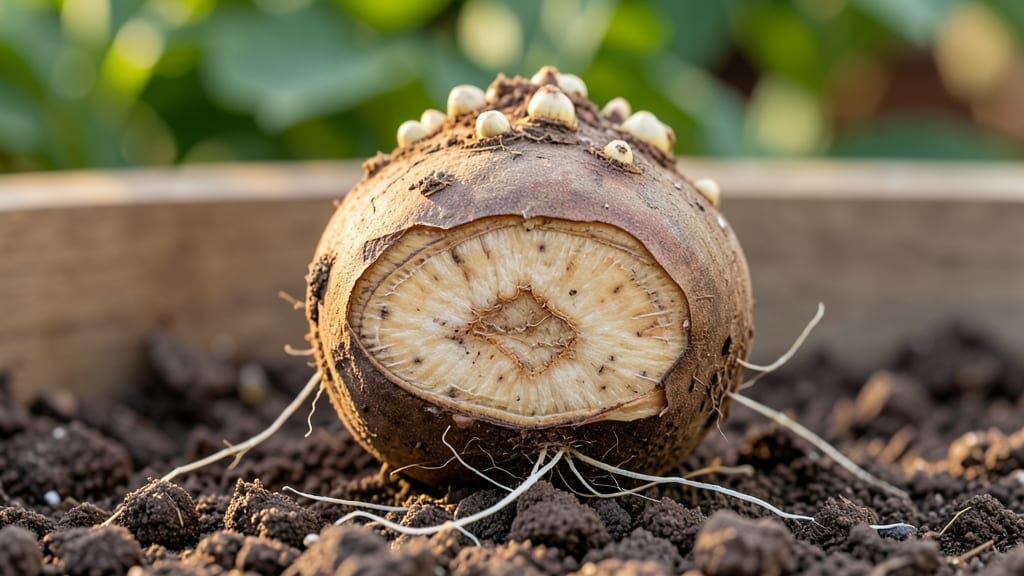
Peony bulbs look like large, irregularly shaped gnarled knots with a rough, bark-like exterior and multiple swollen, woody stems radiating outward from a central crown. Their size ranges from 2 to 4 inches in diameter, often resembling a misshapen onion with thick, fibrous roots below.
These distinctive underground structures are what set peonies apart from other perennials. 🌱 Unlike smooth, papery onion bulbs or rounded daffodil bulbs, peony bulbs develop a deeply textured, almost woody appearance as they mature.
The fibrous roots anchor them firmly in the soil, while the segmented nodes store energy for their dramatic spring blooms. Gardeners often mistake them for daylily rhizomes at first glance, but peony bulbs lack the smooth, horizontal growth pattern of daylilies.
What makes them truly unique is their crown structure—the central point where all the woody stems meet. This area is particularly tough and often bears faint scars from previous seasons' growth. When planting or transplanting, always handle peony bulbs with care, as their thick, fibrous roots bruise easily.
💡 In This Article
- Peony Bulb Anatomy: Roots, Nodes, and Growth Patterns
- How to Identify Peony Bulbs in Garden Centers or Dig Sites
Peony bulb anatomy: roots, nodes, and growth patterns
The crown is the heart of a peony bulb, where all the action happens. This central hub is a dense mass of woody tissue that serves as the plant's energy reservoir, storing carbohydrates and nutrients produced during photosynthesis.
Unlike the smooth, papery layers of onion bulbs or the single, rounded clumps of daffodil bulbs, peony crowns develop a rough, almost cork-like texture over time. The diameter typically measures between 2 to 4 inches, with some heritage varieties reaching up to 5 inches in mature specimens.
Radiating outward from the crown are the bulb's segmented nodes—these are the swollen sections that look like thick, knobby fingers. Each node contains dormant buds capable of producing new stems and flowers. The nodes are connected by fibrous tissue that gives peony bulbs their distinctive gnarled appearance.
These segments store starches that fuel the plant's growth each spring, with research showing mature peony bulbs can accumulate up to 30% starch content by dormancy's end. 🌱
Below the crown, the fibrous roots create a dense network that anchors the plant while absorbing water and minerals. Unlike the single, thick root of a tulip bulb, peony roots spread outward in all directions, creating a web-like structure.
This root system explains why peonies thrive in well-draining soil—they need space to expand without becoming waterlogged. The roots themselves have a papery texture when fresh but darken and toughen as they age, often developing a brownish hue.
What sets peony bulbs apart is their growth pattern. Unlike tulips that produce new bulbs annually or daffodils that form concentric layers, peonies grow by adding new nodes to their existing structure. This means older bulbs develop more complex crowns with additional stems radiating outward.
Gardeners often refer to this as "bulb multiplication"—each mature peony bulb can produce 2-3 new offshoots over time, creating natural colonies in the garden.
Here's how the anatomy compares to other popular perennials:
- Daylily rhizomes: Smooth, horizontal underground stems (no true bulb) with scale-like roots
- Daffodil bulbs: Rounded, papery layers with a single growing point
- Tulip bulbs: Smooth, bulbous with concentric layers and one main stem
- Peony bulbs: Gnarled, woody crown with multiple stems and fibrous roots
The key identification feature is the crown's rough texture and multiple stems—no other common garden bulb develops this distinctive structure.
This unique anatomy explains why peonies are so hardy: their segmented nodes provide multiple growth points, making them resilient against pests and diseases that might target a single growing point like in tulips. 💫