
Planting
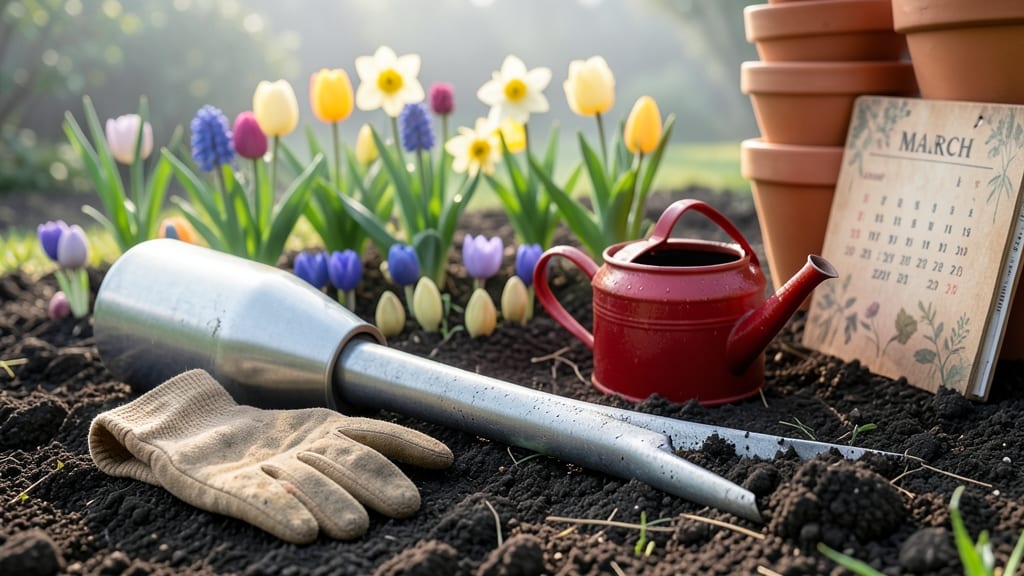
You can plant bulbs in spring once the soil warms and the threat of frost has passed—typically 4 to 6 weeks before your last spring frost date, depending on your USDA Zone and bulb type.
Spring-Planted Bulbs 🌷 like tulips and daffodils can be tricky to plant—too early and frost will kill them, too late and you miss peak blooming season. Here’s your exact frost-date guide to planting bulbs in spring by USDA Zone, ensuring vibrant flowers without wasted effort.
Most gardeners wait until the ground is workable and nighttime temperatures stay consistently above 40°F (4°C). In Zone 6a, that’s usually early March to mid-April, but colder regions (Zones 3-5) may need to wait until late April or even May.
Below, I’ll break down the ideal planting window by zone, share soil prep tips to avoid common mistakes, and highlight which bulbs thrive when planted in spring—so you can enjoy a burst of color without the guesswork.
Spring bulb planting timeline by USDA zone and frost dates
Planting spring bulbs like tulips, daffodils, and hyacinths at the right time ensures vibrant blooms and healthy growth. The key is understanding your last frost date and adjusting for your USDA Zone.
Too early, and frost will damage tender shoots; too late, and you might miss the ideal window for root establishment.
Most spring bulbs thrive when planted 4-6 weeks before your average last frost date. This gives roots time to anchor before spring warmth triggers growth. However, early bloomers like crocus need even earlier planting, while late bloomers like allium can wait slightly longer.
Below is your zone-by-zone planting timeline, including exact weeks after last frost for optimal success. Use your local frost date calculator to pinpoint your exact window.
For Zones 3-5, where winters are harsh, aim to plant bulbs as soon as soil is workable—typically 4-5 weeks before your last frost.
In Zones 6-8, you have more flexibility, with a 6-week window after last frost. Zones 9-10 can plant later, but avoid summer heat stress by finishing by early April.
Always check soil temperature—bulbs need 40-50°F soil to root successfully. In cold climates, mulch after planting to insulate bulbs from freeze-thaw cycles.
In Zones 3-4, where frost lingers, prioritize hardy bulbs like daffodils and crocus. These tolerate colder soils and often bloom earlier, brightening gardens before tulips. For Zones 5-6, focus on layered planting—combine early bloomers with late varieties for a prolonged display.
For Zones 7-8, where springs arrive earlier, you can stretch your planting window. Start with tulips and allium in early March, then add fritillaria in April for a summer-long show. In Zones 9-10, plant daffodils and hyacinths in January to avoid summer heat stress.
Pro tip: Use a soil thermometer to confirm 40-50°F soil before planting. If soil is too cold, wait 1-2 weeks or plant in protected microclimates like near foundations or under trees. Always amend soil with compost for better drainage and nutrition.
After planting, water deeply to settle soil around bulbs, then mulch with 2-3 inches of straw to retain moisture and regulate temperature. This is especially critical in drought-prone Zones 9-10, where summer heat can stress bulbs.
Monitor your garden for early shoots—if they appear before last frost, protect them with frost cloth or move potted bulbs indoors temporarily. With this zone-specific timeline, you’ll enjoy healthier bulbs and longer bloom seasons every year. 🌷
How to adjust planting time for early vs. late spring bloomers
Not all spring bulbs bloom at the same time, and their planting windows can vary dramatically. Early bloomers like crocus and snowdrops need to be in the ground earlier than late bloomers such as allium or fritillaria.
Understanding these differences—and how to adjust for your climate—can transform a lackluster spring display into a vibrant, sequential bloom parade. The key lies in soil temperature, moon phases, and knowing your bulbs' chilling requirements.
For example, crocus and snowdrops often emerge as soon as the ground thaws, sometimes even under a light snow cover. These hardy bulbs can handle cooler soil temperatures, often as low as 40°F (4°C).
In contrast, tulips and daffodils prefer soil temperatures between 50-60°F (10-15°C) before planting, while allium and fritillaria thrive when soil warms to 60-65°F (15-18°C). Adjusting your planting schedule based on these temperature thresholds ensures bulbs establish roots before the rush of spring growth.
🌱 Key Adjustments for Spring Bulb Planting
- Early Bloomers (Crocus, Snowdrops): Plant as soon as soil is workable (40°F/4°C). Use moon phases (rooting phase) for best success.
- Mid-Season Bloomers (Tulips, Daffodils): Wait until soil reaches 50-60°F (10-15°C). Aim for 4-6 weeks before last frost in your zone.
- Late Bloomers (Allium, Fritillaria): Plant when soil is 60-65°F (15-18°C). These thrive with warmer roots and longer daylight.
- Soil Temperature Tip: Use a soil thermometer to monitor. Cold soil slows root growth; warm soil speeds it up.
- Moon Phase Hack: Plant bulbs during the waxing moon (rooting phase) for stronger root development.
If your spring arrives late due to unpredictable weather, don’t panic. Crocus and snowdrops can often be planted in late winter (as soon as soil isn’t frozen) and will bloom early if conditions allow.
For tulips and daffodils, extend their window by planting in containers and moving them to a protected spot if frost threatens. Allium and fritillaria, being late bloomers, are more forgiving—plant them as late as mid-April in most zones and still expect strong blooms.
Another pro tip: Layer your bulbs by depth and bloom time. Plant crocus shallowly (2-3 inches deep) first, then tulips (6-8 inches), and finally allium (8-10 inches) in the same spot.
This creates a staggered bloom effect from early spring to late spring. Just ensure each layer has well-draining soil to prevent rot, especially in clay-heavy soils.
For gardeners in warmer climates (Zones 8-10), where springs arrive early, focus on shade-loving bulbs like grape hyacinths or Spanish bluebells. These tolerate hotter soil and can be planted as early as February.
In colder zones (3-6), prioritize hardy varieties like Siberian crocus or winter aconite, which handle late frosts better than delicate tulips.
Finally, don’t overlook the moon’s influence. Planting bulbs during the waxing moon (when the moon is growing) encourages root development, while planting during the waning moon can lead to weaker growth. Check a lunar planting calendar for your region to fine-tune timing.
With these adjustments, your spring garden will burst into color with perfectly timed blooms, from the first snowdrop to the last allium.