
Plants
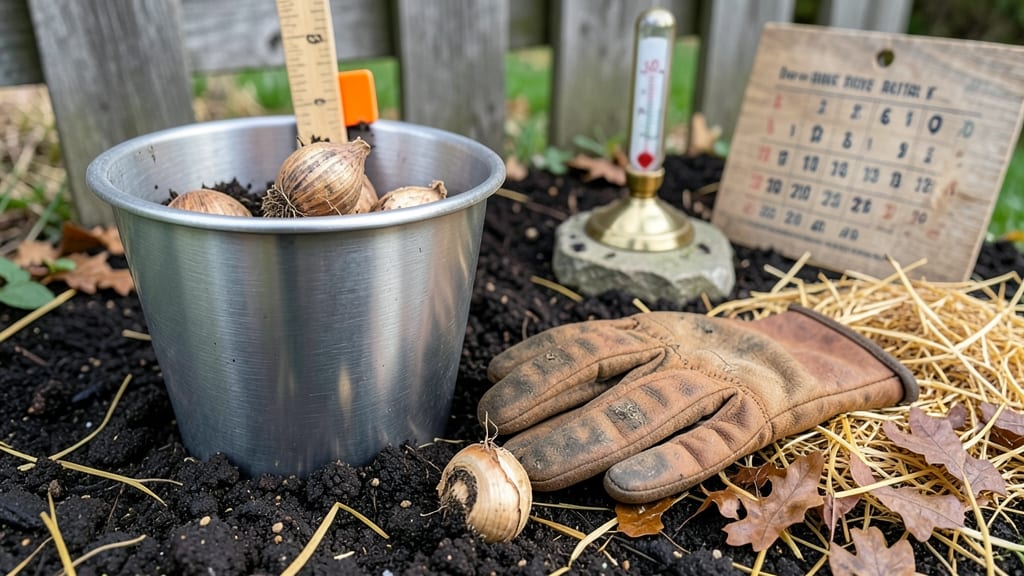
Planting tulip bulbs in Alabama depends on the first hard frost, which typically arrives between late November and early December — aim for a 6-week window before that date to ensure vibrant spring blooms.
Alabama’s mild winters and unpredictable frosts can turn tulip planting into a guessing game, but timing your bulbs right is the secret to avoiding frost damage and maximizing those show-stopping spring blooms.
Whether you’re in Birmingham’s heat pockets or Mobile’s coastal zones, the key is understanding your local freeze timeline.
Most Alabama gardeners in USDA zones 7a–8b should plant between mid-October and November, but soil temperature is your backup cue. If the ground hasn’t frozen yet, bulbs can still root safely—just don’t wait too long.
In this guide, I’ll walk you through the exact planting schedule for your region, soil prep tips to outsmart Alabama’s erratic weather, and common mistakes to avoid—so you can enjoy bold tulips that steal the show next spring.
Alabama’s ideal tulip planting window: month-by-month freeze timeline
Alabama’s USDA zones 7a–8b create a delicate balance for tulip planting—too early, and bulbs rot; too late, and they fail to root before winter.
The 6-week window between mid-October and mid-November is your sweet spot, but exact timing depends on whether you’re in North Alabama’s chillier zones or South Alabama’s milder climate. Let’s break it down month-by-month to avoid frost-related disasters.
First, understand that tulips need 4–6 weeks of cool soil (below 60°F) to establish roots before winter dormancy. In Zone 7a (North Alabama), the ground typically freezes by late November, while Zone 8b (South Alabama) may not see frost until mid-December.
Use this as your baseline—but don’t rely solely on dates. A soil thermometer is your secret weapon.
🌷 PRO TIP: If your soil stays above 50°F for more than 3 weeks, delay planting. Tulips planted in warm soil will sprout prematurely and die in Alabama’s unpredictable freezes.
| Region | USDA Zone | Ideal Planting Window | Soil Temp Cue | Frost Risk (Late Nov) |
|---|---|---|---|---|
| North Alabama | 7a | October 15–November 15 | Below 60°F for 3+ weeks | High (80%) |
| Central Alabama | 7b | October 20–November 10 | Below 55°F for 2+ weeks | Moderate (60%) |
| South Alabama | 8a–8b | November 1–November 25 | Below 50°F for 1+ week | Low (30%) |
*Frost risk based on 30-year averages. Use local weather alerts as a backup!
For North Alabama gardeners (like those in Huntsville or Decatur), aim to plant by November 15. The ground freezes earlier here, and bulbs need time to root.
If you’re in Zone 7a, watch for the first 28°F frost—tulips can handle light freezes but not prolonged deep freezes. In Central Alabama (Birmingham, Montgomery), you’ve got a little more wiggle room until November 10.
In South Alabama (Mobile, Dothan), where winters are milder, you can push planting to late November. However, avoid planting after December 1, as bulbs may not root before Alabama’s occasional January cold snaps.
Pro tip: If your soil is still warm in late November, pre-chill bulbs in the fridge for 4–6 weeks before planting.
🌡️ SOIL TEMPERATURE TRICK: Stick a thermometer in your garden bed. Tulips thrive when soil temps are consistently below 60°F for 3 weeks. If your soil is still 65°F+, wait another week—your bulbs will thank you with bigger blooms next spring.
Don’t forget that microclimates matter. Urban areas like Birmingham can be 5–10°F warmer than rural spots due to concrete heat retention. If you’re in a city, plant 1–2 weeks later than the general guideline. Conversely, elevated gardens or northern exposures freeze faster—plant earlier in these spots.
After planting, mulch heavily with 3–4 inches of straw or pine needles to insulate bulbs from temperature swings. This is especially critical in Zone 7a, where winter temps can dip below 20°F. Mulch acts like a blanket, protecting bulbs from freeze-thaw cycles that can crack them open.
Finally, mark your calendar for April 15—that’s when tulips typically emerge in Alabama. If you see green shoots before March 15, your bulbs may have sprouted too early (a sign of planting too soon).
In this case, cover them with a light frost blanket to protect tender shoots from late freezes.
Timing your tulips right in Alabama isn’t about memorizing dates—it’s about reading your soil and climate. Use this 6-week window as your guide, but always double-check with a soil thermometer and local frost forecasts.
With the right prep, you’ll have bold, vibrant blooms that outshine even Alabama’s famous azaleas! 🌷
How to adjust tulip planting for Alabama’s microclimates: urban vs. rural tips
Alabama’s diverse microclimates mean your tulip bulbs need tailored care whether you’re in Birmingham’s urban heat islands or Mobile’s coastal breezes. Urban areas like Huntsville experience earlier frosts, while coastal Mobile enjoys milder winters—both require different planting strategies to protect your spring blooms.
In Birmingham’s concrete jungles, heat pockets can delay soil cooling, so plant bulbs 4-6 weeks before first frost (typically mid-October) and use lightweight mulch like straw to moderate temperatures.
Rural areas like Huntsville may see early November frosts, so adjust your schedule to late October and bury bulbs 8 inches deep for extra insulation.
For coastal Mobile, where winters are milder, extend your planting window to early December but prioritize well-draining soil to prevent rot from winter rains. Add sand or perlite to clay-heavy soils, and plant bulbs on mounds to improve drainage in soggy areas.
🌷 Alabama Tulip Planting Adjustments by Microclimate
- Plant: Mid-October
- Depth: 6-7 inches
- Mulch: Straw (1-2 inches)
- Plant: Late October
- Depth: 8 inches
- Mulch: Pine straw (3 inches)
- Plant: Early December
- Depth: 5-6 inches
- Drainage: Raise beds or add sand
💡 Pro Tip: Use a soil thermometer—plant when soil hits 50-60°F at 6-inch depth.
In urban gardens, paved surfaces and buildings create microclimates that stay warmer longer. To combat this, plant bulbs in shadier spots or use black plastic mulch to absorb heat and speed up soil cooling.
For rural areas, focus on organic mulches like pine straw or leaves to insulate bulbs from temperature swings.
If you’re in Zone 7b (North Alabama), like Decatur, err on the side of earlier planting (late September) to ensure bulbs establish roots before early frosts.
In Zone 8a (South Alabama), like Montgomery, you can plant as late as early December, but monitor rainfall—excess moisture can cause bulb rot.
For container gardening in urban settings, use large pots (12+ inches deep) with fast-draining mix (50% potting soil, 50% perlite). Move containers to protected spots (like patios) before hard frosts to shield bulbs from freeze damage.
In rural areas, deer pressure may require fencing or deer-resistant varieties like Darwin Hybrid tulips.