
Plants
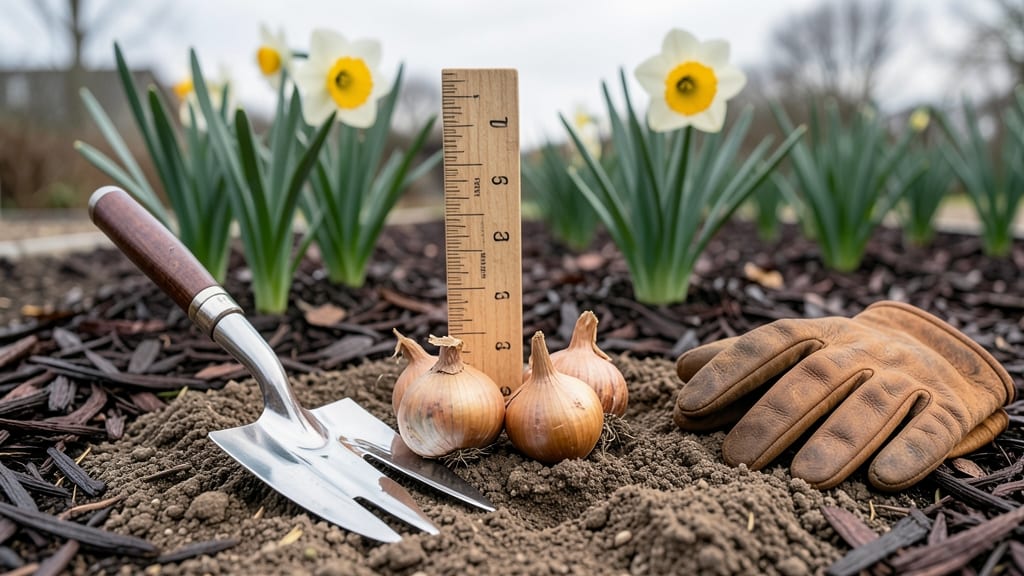
Planting daffodil bulbs in Alabama between October and November gives them the perfect head start before winter sets in, setting the stage for stunning spring blooms 🌼.
Alabama’s mild winters and warm springs create the perfect conditions for vibrant daffodils—but planting them at the wrong time can mean weak blooms or no flowers at all. Timing is everything, and knowing the exact window for USDA Zones 7b-8a will help you grow a showstopping daffodil garden.
Fall planting is critical because it allows the bulbs to establish strong roots before the ground freezes, ensuring they’ll bounce back with energy in spring. Too early, and they might sprout and get damaged by cold; too late, and they won’t have time to root before winter.
In this guide, I’ll walk you through the best months to plant, how to prep your Alabama soil, and which daffodil varieties thrive here—so you can enjoy a garden bursting with color come March and April.
Best planting months for daffodils in Alabama (Zone 7b-8a)
Alabama gardeners know that fall planting is the golden rule for daffodils, but the exact timing can make or break your blooms. In USDA Zones 7b-8a, the ideal window runs from mid-October to early November, when soil temperatures hover between 50°F and 60°F.
This timing ensures bulbs establish roots before winter dormancy, setting the stage for spring blooms in March-April.
Why fall? Daffodils need 6-8 weeks of cool soil to develop strong roots before ground freezes. Alabama’s first frost typically arrives November 15, so planting too late risks shallow roots that struggle to survive winter.
Conversely, planting too early (before September) can trigger premature sprouting, leaving young shoots vulnerable to fall freezes.
Key temperature thresholds to watch: Soil should be above 50°F at planting depth (6" down) and below 60°F by December. Use a soil thermometer if unsure—this prevents bulbs from waking too soon. In Zone 8a, where winters are milder, you can extend planting until mid-November, but aim for 4-6 weeks before frost.
Adjusting for early/late seasons requires flexibility. If Alabama’s Indian summer delays frost (common in Zone 7b), wait until late November but use mulch (3-4 inches) to insulate bulbs. For early freezes, plant by mid-October and protect with straw mulch until ground freezes. Remember: Root growth > flower buds—prioritize establishing roots over forcing blooms.
Alabama’s clay-heavy soils in many regions require special attention. Before planting, amend soil with compost or sand to improve drainage—daffodils hate soggy roots. Aim for well-draining soil with pH 6.0-7.0.
In Zone 7b, where winters can be harsher, choose hardy varieties like 'Tête-à-Tête' or 'Ice Follies' for reliable blooms. These types tolerate colder soils better than delicate hybrids.
If you miss the October-November window, don’t despair—you can plant daffodils in early December, but success depends on consistent moisture and protective mulch. Water deeply after planting to encourage root growth, then reduce watering in winter unless the ground stays dry.
By late winter (February), you’ll see shoots pushing through—proof your timing paid off!
Pro tip: Plant bulbs 6 inches deep and 6 inches apart for optimal air circulation. In Alabama’s humid climate, spacing reduces fungal risks like basal rot. After planting, apply a 2-inch layer of mulch (straw or pine needles) to insulate bulbs and retain moisture. This simple step can mean the difference between weak stems and showstopping blooms next spring.
Remember, daffodils are perennials—once planted correctly, they’ll return year after year. The first year’s blooms may be modest, but with proper care, your Alabama garden will become a daffodil superstar by year three.
Start with 10-15 bulbs to test your timing, and expand as you master the fall planting window.
Timing your daffodil planting in Alabama isn’t just about the calendar—it’s about reading your local microclimate. Watch for fall color changes in nearby trees (a cue that temps are dropping) and check soil moisture after rains. With these tips, your daffodils will thrive
How to prepare your Alabama garden for daffodil bulbs
Alabama gardeners know that daffodils bring early color to spring gardens, but their success starts with proper soil preparation and smart bulb selection. Unlike northern climates, Alabama’s USDA Zones 7b-8a offer a longer growing season, but heavy clay soil and humidity require special attention.
Let’s prepare your garden to grow vibrant, healthy daffodils that thrive year after year.
First, focus on soil pH and drainage—daffodils prefer slightly acidic to neutral soil with a pH between 6.0 and 7.0. Alabama’s native clay soil often compacts easily, so amending it with organic matter like compost or sand is key.
Test your soil before planting to avoid common pitfalls like poor root development or bulb rot.
Next, choose Alabama-friendly daffodil varieties that handle heat and humidity well. 'Ice Follies' and 'Tête-à-Tête' are excellent choices for their compact size and early blooms. Planting depth matters too—bulbs should go 6-8 inches deep in well-draining soil, with 3-4 inches between bulbs for optimal growth.
⚠️ Common Mistake: Planting Too Late or Too Deep
In Alabama’s mild winters, planting daffodil bulbs after November 15 risks weak root growth before frost. Even worse, burying bulbs deeper than 8 inches can suffocate them, leading to no blooms. Aim for October-November planting and 6-8 inches depth in loose, amended soil.
Before planting, loosen the soil to a depth of 12 inches to improve aeration. If your garden has heavy clay soil, mix in 2-3 inches of compost or peat moss to enhance drainage.
Avoid fresh manure, which can burn bulbs. For containers, use a well-draining potting mix with perlite or sand.
When selecting bulbs, prioritize certified disease-free options from reputable nurseries. Look for firm, plump bulbs with no soft spots or mold. Plant them in a location with full sun (6+ hours daily), though they tolerate partial shade in Alabama’s hotter months.
Mulch lightly after planting to protect bulbs from temperature swings.
Finally, water deeply after planting to settle the soil, but avoid overwatering. Daffodils need moderate moisture but hate soggy roots. Once established, they’re drought-tolerant. With the right prep, your Alabama garden will burst with cheerful daffodil blooms every spring.