
How To
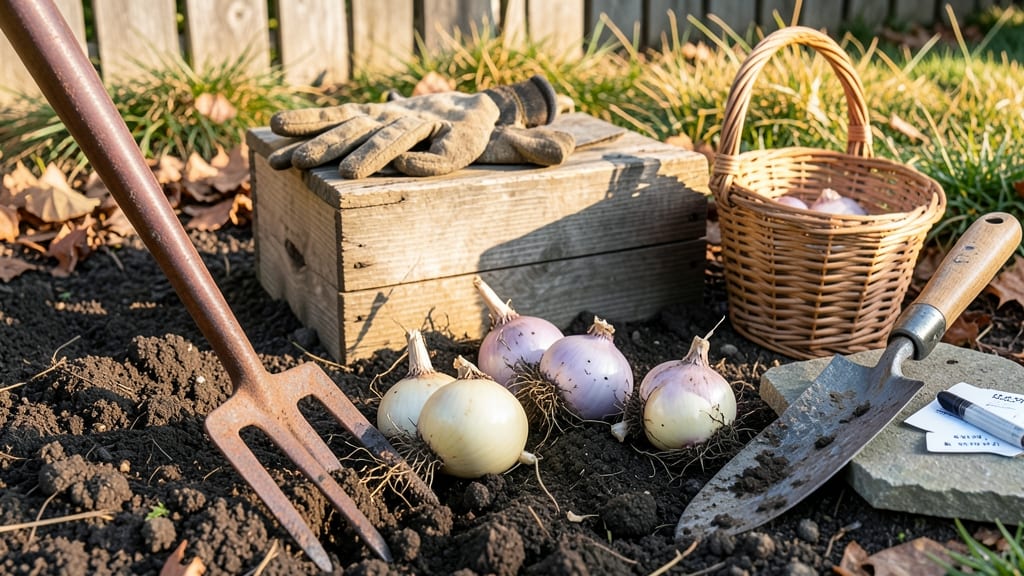
Dig up calla lily bulbs after foliage dies back completely — usually between September and October — to protect them from frost and ensure a vibrant rebloom next spring.
If you’ve ever watched your 🌸 calla lilies wither under an early frost, you know how quickly things can go wrong. The key is timing: dig too soon, and you risk disturbing the bulb’s energy reserves; wait too long, and frost can rot them in the ground.
In USDA Zone 6 (the default for most gardeners), the ideal window is after the leaves turn yellow and crispy, but before hard frost hits. This usually lands in late September or early October, though exact timing shifts by 1-2 weeks depending on your local climate.
Below, I’ll break down the exact steps by zone, how to store bulbs for winter, and what happens if you miss the window. No more guesswork — just a foolproof plan to keep your calla lilies thriving year after year.
USDA Zone-specific timeline for digging up calla lily bulbs before frost
Calla lilies thrive in USDA Zones 3-11, but their dormancy timing varies dramatically by region. Digging up bulbs too early or too late can lead to rot, pest damage, or stunted growth next season.
The key is to remove them after foliage dies back but before hard frost—a window that shifts from September in Zone 3 to November in Zone 11.
In colder zones like Zone 3-5, calla lilies need protection from freezing soil, while warmer zones like Zone 8-11 offer more flexibility. Watch for foliage yellowing and crispy leaves—these are your primary signals that the bulb has completed its energy storage for winter.
Missing this window means risking bulb rot or attracting voles and slugs.
Here’s your zone-by-zone guide to digging up calla lily bulbs, including first frost dates and ideal digging windows to keep your plants healthy:
In Zones 3-6, act quickly—once frost hits, bulbs can freeze in the ground. Use a soil thermometer to confirm temps are below 50°F before digging.
In Zones 7-10, you have a bit more leeway, but don’t wait until soil temperatures drop below 40°F, as this can cause bulb rot during storage.
After digging, trim foliage to 2 inches and let bulbs dry in a shady, well-ventilated area for 1-2 weeks. Store them in dry peat moss or vermiculite at 40-50°F and 50% humidity until replanting in spring.
Pro tip: Label bulbs by variety and digging date to track maturity and blooming potential.
If you miss the window, don’t panic. In Zones 9-11, bulbs can often overwinter in the ground with a thick layer of mulch. However, in colder zones, bury bulbs in pots and move them to a garage or basement until spring.
The key is consistency—whether you’re digging early or late, protect bulbs from moisture and pests to ensure next year’s showstopping blooms.
Remember, calla lilies are perennials, but their long-term health depends on proper dormancy care. By following this zone-specific timeline, you’ll give your bulbs the best chance to rebloom beautifully year after year. Happy digging!
5 Signs your calla lilies need to be dug up early (and how to act)
Calla lilies thrive in warm seasons, but their bulbs are not frost-hardy. When leaves turn yellow or stems collapse unexpectedly, it’s your plant’s SOS signal. Ignoring these signs risks bulb rot or pest damage, which can kill your calla lilies for good.
I’ve learned the hard way—last year, I missed these early warnings, and my prized Zantedeschia aethiopica bulbs shrank by half during storage. Let’s fix that together.
Don’t wait for the first frost to act. By the time you see ground frost, it’s often too late. Calla lilies need to be dug up when soil temperatures drop below 50°F (10°C).
In my USDA Zone 7 garden, that means pulling bulbs by mid-October. The key is watching for these 5 urgent signs—each one demands immediate action to save your bulbs.
- 🌿 Foliage turns yellow but stays upright—not wilted. This means the plant is preparing for dormancy faster than usual. Grab your garden fork within 3-5 days.
- 🌡️ Soil temperature drops to 55°F (13°C) or lower. Use a soil thermometer to confirm—this triggers bulb dormancy. Dig immediately to prevent root freeze.
- 🪰 Stems collapse suddenly, even if leaves are still green. This signals internal bulb stress—likely from pests like slugs or fungal infections. Act within 24 hours.
- 🐛 Visible pests (slugs, snails, or grubs) appear around bulbs. These eat through protective layers, making bulbs vulnerable to rot. Remove pests and dig within 48 hours.
- ❄️ Frost is forecasted for your zone within 7-10 days. Even a light frost can damage bulb membranes. Prioritize digging before the warning arrives.
Once you spot these signs, act fast. Start by cutting back foliage to 2-3 inches above the soil. This reduces water loss and helps the bulb focus on energy storage.
Use a clean garden fork to loosen soil around the bulb—never pull by the stem, or you’ll damage the nutrient-rich rhizome.
After digging, brush off excess soil and let bulbs air-dry for 1-2 hours in a shady, well-ventilated spot. Store them in a paper bag with dry peat moss or sphagnum peat in a cool, dark place (50-60°F).
I keep mine in my garage shelf, checked monthly for rot. If you’re in Zone 8-10, you can leave bulbs in the ground slightly longer—but still monitor for pests!
Pro tip: Label your bulbs with permanent markers before storage. Last year, I mixed up my black calla lilies with pink ones, and the color shock made replanting a nightmare.
A little prep now saves hours of frustration next spring. Your calla lilies will thank you with bigger, brighter blooms in 2025! 🌸