
Plants
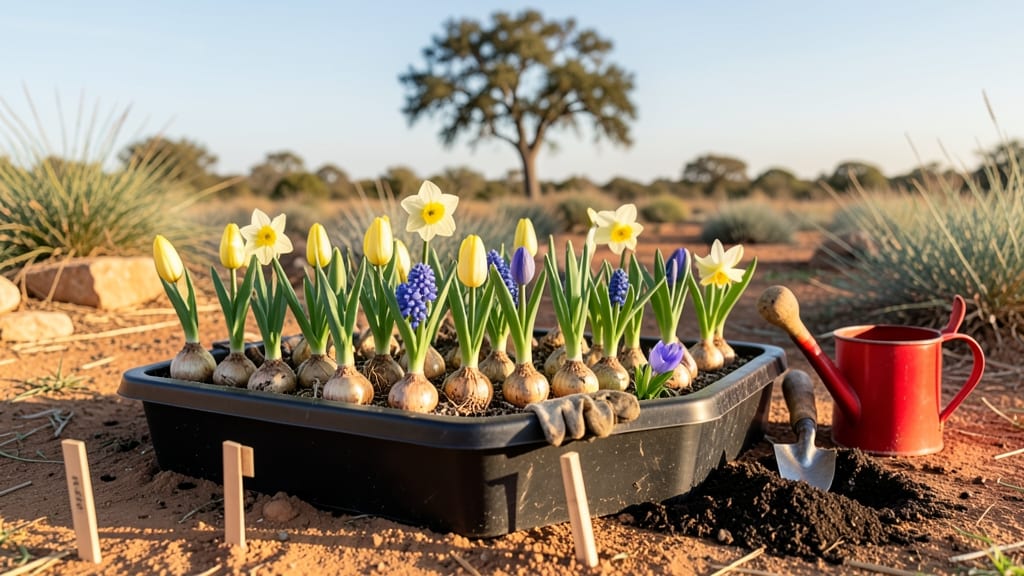
Planting bulbs in Central Texas means timing them 6-8 weeks before the first frost—typically by mid-November—to beat the heat and ensure vibrant spring blooms.
Central Texas gardeners face a unique challenge: brutal summer heat and unpredictable freezes. Planting bulbs at the wrong time means wasted money and lost blooms—but timing it perfectly guarantees vibrant spring displays with minimal fuss.
Fall is the ideal window for spring-flowering bulbs like tulips and daffodils, while winter planting (January-February) works for hardier varieties. The key? Avoid summer heat stress by choosing shade-tolerant types and prepping soil with compost.
In this guide, I’ll break down the exact months for zero-frost survival, soil prep secrets, and how to adjust for microclimates—so your 🌷 bulbs thrive year after year.
Central Texas bulb planting calendar: exact months by hardiness Zone
Central Texas gardeners know timing is everything—especially when planting bulbs. With USDA Zones 8a-9b, we get mild winters and scorching summers, forcing us to adjust planting schedules for both hardy bulbs (like tulips) and frost-sensitive varieties (like dahlias).
The key? Plant hardy bulbs in fall and tropical bulbs after the last frost—but never too late!
Here’s the breakdown: Austin (Zone 8b), Waco (Zone 8a), and San Antonio (Zone 8b) all share similar frost dates, but microclimates can shift planting windows by 2-4 weeks. For example, hill country areas may freeze earlier than urban heat islands.
Always check your last frost date (typically December 1) and first frost date (February 15) for precision.
Below is your month-by-month planting guide, tailored to Central Texas. Use this to avoid wasted bulbs and missed blooms—whether you’re planting dahlias for summer color or daffodils for spring cheer.
| Month | Hardy Bulbs (Tulips, Daffodils, Hyacinths) | Frost-Sensitive Bulbs (Dahlias, Cannas, Gladioli) | Notes for Central Texas |
|---|---|---|---|
| August | Prep soil; order bulbs | Soak tubers (dahlias, cannas) | Start soil amendments (compost, sand) to improve drainage. |
| September | Plant hardy bulbs (6-8 weeks before frost) | Wait until after September 15 | Avoid planting tropical bulbs too early—they rot in heat. |
| October | Finish planting; mulch heavily | Wait for soil temps below 80°F | Use 3-4 inches of mulch to protect bulbs from freeze-thaw cycles. |
| November | Last chance for fall planting | Plant after November 15 (risk of early frost) | San Antonio’s warmer microclimate allows later planting than Waco. |
| December | Dormant; monitor for freezes | Keep tubers in pots if unsure | Move potted cannas/dahlias indoors if temps drop below 30°F. |
| January | Prune dead foliage | Start indoor sprouting (dahlias) | Wait until February 1 to plant late bloomers like tulips. |
| February | Plant late-season bulbs | Plant after last frost (Feb 15+) | Use shade cloth for newly planted tropical bulbs. |
| March-May | Bloom season! | Full growth; stake tall varieties | Water deeply 2x/week during 1
How to extend bulb blooms in Central Texas heat: pro tips for survivalCentral Texas summers can turn even the hardiest bulbs into sad, wilted husks if you don't play by the rules. The key to extending bulb blooms lies in soil prep, shade strategies, and smart irrigation—not just throwing water at them when the mercury climbs. I've learned the hard way that bulb rot and wilting are silent killers during 100°F+ heatwaves, but with these tricks, your tulips and dahlias can thrive year after year. First, amend your soil with organic matter like composted leaves or aged manure before planting. Bulbs need well-draining soil to avoid rot, and Central Texas clay can be a death sentence without help. Mix in perlite or coarse sand to improve aeration, especially in low-lying areas where water pools. Think of it as giving your bulbs a moisture buffer—they'll thank you when summer hits. Now, let's talk shade strategies. While most bulbs crave sunlight, afternoon shade can be a lifesaver in Austin's brutal heat. Try planting tall perennials like black-eyed Susans or Russian sage near your bulb beds to cast shade naturally. Alternatively, use lightweight shade cloth (30-50%) over containers or raised beds. The goal is to protect foliage while still letting bulbs photosynthesize enough to store energy for next year's blooms. 🌱 Pro Tips for Central Texas Bulb Survival
Irrigation hacks make all the difference in Central Texas. Drip irrigation is your best friend—it delivers water slowly and directly to the roots, minimizing waste and fungal issues. Avoid overhead sprinklers, which can scorch leaves and spread disease. For containers, self-watering pots with reservoirs are a game-changer, especially for tropical bulbs like cannas that hate drying out. Don't forget about Use a low-nitrogen, high-phosphorus fertilizer (like 5-10-10) to encourage blooming, but stop feeding by August to let bulbs harden off for winter. Think of it as a gentle nudge—not a push.Finally, protect bulbs from late freezes. Even in Zone 8b, we get those unpredictable cold snaps in March. Cover tender bulbs with frost cloth or straw mulch when nighttime temps drop below 30°F.And if you're growing tropical bulbs like elephant ears, dig them up and store them in dry peat moss indoors once foliage yellows. It's extra work, but it means bigger, healthier blooms next spring. |