
Plants
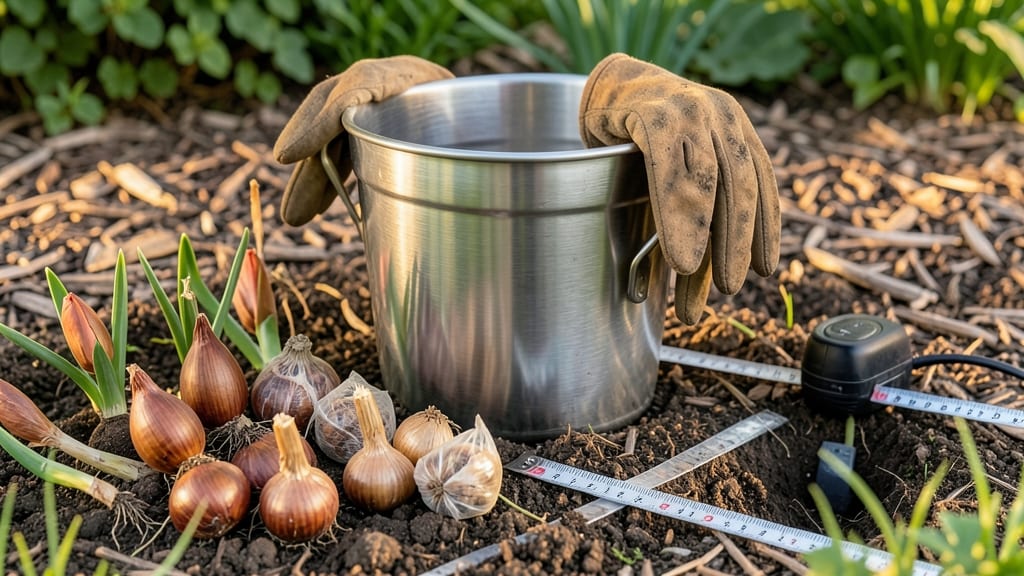
To plant bulbs in Missouri at the perfect time means blooms that pop in spring or summer, not flops from frost or heat.
Missouri’s unpredictable spring and fall weather can make planting bulbs tricky—but timing them right ensures vibrant blooms year after year. Whether you’re growing daffodils, tulips, or crocuses, knowing the exact planting window for your Missouri hardiness zone is the key to success.
Fall planting is the gold standard for spring bloomers like tulips and daffodils, but Missouri’s 5b-6b zones mean your window is tight—usually between September and November. Plant too early, and bulbs might sprout before winter; too late, and they won’t root before frost.
Here’s what you’ll learn: the precise months for your zone, how to prep soil for Missouri’s clay-heavy dirt, and the one mistake that kills bulbs faster than frost. Let’s get those 🌷 planted right.
Missouri bulb planting calendar by hardiness Zone (zones 5-7)
Missouri spans USDA hardiness zones 5-7, creating distinct planting windows for bulbs like daffodils, tulips, and alliums. Zone 5b (northern MO) has earlier frost dates than Zone 7a (southern MO), so timing matters.
Most spring-blooming bulbs thrive when planted in fall, while summer-blooming varieties like dahlias get a head start in spring.
Your local frost dates are the ultimate guide: aim to plant 6 weeks before ground freezes in fall or after last frost in spring. In Missouri, this typically means September-November for fall planting and March-April for spring. Let’s break it down by zone to avoid missed opportunities or frozen bulbs.
For Zone 5b gardeners in northern Missouri, like those in St. Joseph, focus on late September planting to beat the first frost, which typically arrives around October 15. Daffodils and crocuses are your best bets—they tolerate colder soils and deer pressure better than tulips.
In Zone 6a, covering cities like Columbia, you’ve got a slightly longer window. Plant tulips and alliums in early October for spring blooms that arrive earlier than in cooler zones. The key is to finish by November 1 before the ground freezes solid.
Southern Missouri’s Zone 7a, including Springfield, offers the most flexibility. You can plant dahlias and gladiolas as late as November 15 or even in early spring (March 15+). These summer-blooming bulbs thrive in warmer soils, so don’t rush—they’ll reward you with bold colors through July and August.
Pro tip: Use a soil thermometer to check temperatures. Bulbs need 40-50°F soil to root before winter. If your soil is warmer than 60°F in fall, wait a week or two—hot soil can cause bulbs to sprout too early and get damaged by frost.
Spring planting is your backup for missed fall windows or summer-blooming bulbs. In Zone 5b, wait until after April 15 (average last frost date), while Zone 7a can start as early as March 15.
Always harden off bulbs by keeping them in a cool, dark place for a week before planting.
Missouri’s unpredictable weather means flexibility is key. If an early frost threatens, cover bulbs with straw for extra protection. And remember: deer love tulips, so plant daffodils (toxic to deer) in high-traffic areas for a low-maintenance solution.
For a foolproof approach, mark your calendar with these zone-specific deadlines and adjust based on your microclimate. Whether you’re in St. Louis (Zone 6a) or Kansas City (Zone 6b), these timelines will help you avoid common mistakes like planting too early or too late.
Start your Missouri bulb garden with confidence—timing these plantings right will give you years of vibrant blooms with minimal effort. Happy digging! 🌱
Critical factors that determine your Missouri bulb planting time
Missouri’s hardiness zones 5-7 create unique challenges for bulb planting, where soil temperature and frost dates often override generic planting charts. Unlike one-size-fits-all advice, your local microclimate—whether you're in St. Louis (Zone 6b) or Kansas City (Zone 6a)—dictates the perfect window.
For example, tulips planted in late November may rot before winter in northern Missouri, while daffodils thrive when planted in early October.
Most gardeners rely on average frost dates, but Missouri’s unpredictable weather swings can make these unreliable.
A 6-week planting window before the ground freezes is ideal for fall-planted bulbs, but this varies from mid-September in southern Missouri to early October in the north. Summer-blooming bulbs, like dahlia tubers, follow a completely different schedule, needing to wait until after the last frost in spring.
⚠️ WARNING: Common Mistakes That Kill Your Bulbs ⚠️
Planting Too Early
Bulbs planted in warm, moist soil before 60°F soil temps risk rot and fungal diseases. For example, tulips planted in August in Missouri’s humidity often fail to establish roots before winter.
Ignoring Soil Temperature
Generic charts suggest planting by calendar date, but soil thermometers reveal the truth. In St. Louis (Zone 6b), soil may stay above 60°F until late October, delaying planting by 2-3 weeks compared to northern Missouri.
Confusing Bulb Types
Spring-blooming bulbs (daffodils, tulips) need fall planting, while summer-blooming bulbs (dahlias, alliums) go in spring. Planting tulip bulbs in spring guarantees they’ll never bloom.
Skipping Soil Prep
Missouri’s clay-heavy soils drain poorly, causing bulbs to suffocate or rot. Amend with compost and sand to improve drainage. A 3-inch layer of mulch after planting also protects bulbs from freeze-thaw cycles.
To avoid these pitfalls, start by testing your soil temperature with a soil thermometer. Aim for 60°F or below before planting fall bulbs. For spring-planted bulbs, wait until after the last frost date—typically mid-April in southern Missouri but early May in the north.
Use your USDA zone map as a starting point, then adjust based on local weather patterns.
Another critical factor is bulb depth and spacing. Plant spring bulbs 6-8 inches deep in well-draining soil, while summer bulbs like dahlias need only 4-6 inches. Overcrowding leads to smaller blooms and disease, so space bulbs 3-6 inches apart depending on the variety.
For example, tulips need 4-6 inches of space, while alliums can handle 8 inches.
Missouri’s humidity and variable rainfall also play a role. After planting, water thoroughly to settle the soil, then reduce watering until spring. Overwatering in fall or winter can cause bulbs to rot before they’ve established roots.
In drought-prone areas, like western Missouri, consider mulching with straw to retain moisture during spring emergence.
Finally, keep a planting journal to track what works in your specific location. Note the exact dates you plant, the soil conditions, and the results. Over time, you’ll refine your localized planting schedule—because in Missouri, one size never fits all.
With these adjustments, your bulbs will thrive year after year, delivering bold, reliable blooms despite the weather chaos. 🌱