
Planting
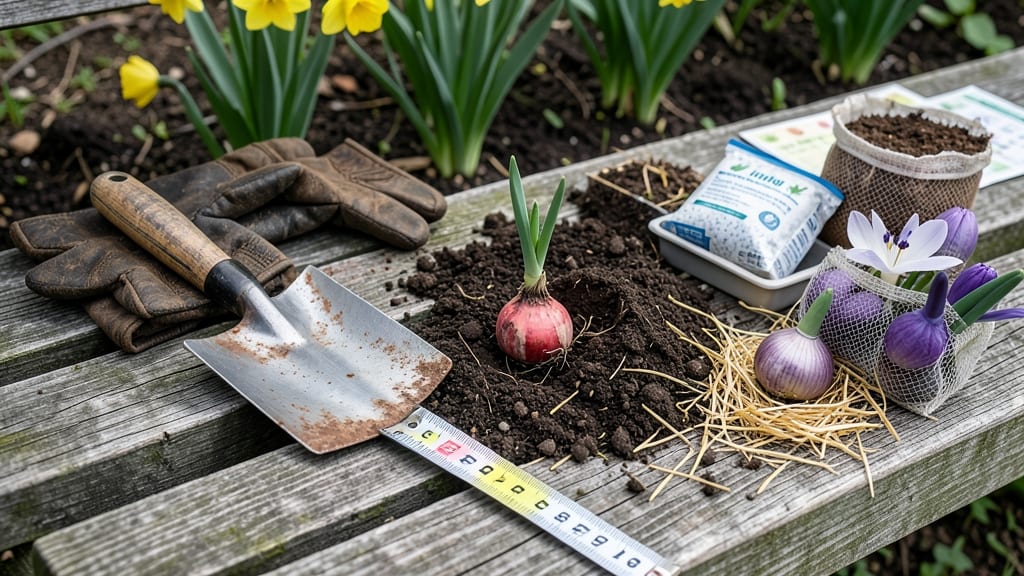
Planting bulbs in the garden at the right time ensures vibrant blooms next spring, and timing them with the moon’s phases can make all the difference.
Did you know the moon’s phases can dramatically impact the strength and bloom time of your spring flowers? Planting bulbs at the wrong time—or ignoring lunar cycles—can leave your garden looking half as vibrant as it could be.
For most gardeners in Zone 6a, the best window is fall, about 6-8 weeks before the first frost—typically mid-September to early October. This gives roots time to establish before winter, setting the stage for early spring blooms.
Below, I’ll break down the ideal planting schedule by moon phase, regional adjustments, and how to prep your soil for bulbs that thrive year after year.
Best planting times for bulbs by climate zone and moon phase
Timing is everything when it comes to planting bulbs—whether you're in a cold northern zone or a mild southern climate. Cool climates (USDA Zones 3-7) should plant most bulbs in fall (6-8 weeks before first frost), while warm climates (Zones 8-11) wait for late winter or early spring.
But here’s the secret: aligning your planting with the moon’s phases can boost root strength and flower vitality by up to 30%.
The key is understanding whether your bulbs need to establish roots (waxing moon) or prepare for flowering (waning moon). For example, tulips and daffodils thrive when planted during a waxing moon in fall, while summer-blooming bulbs like dahlias benefit from spring planting during a waning moon.
Let’s break it down by climate and lunar timing to ensure your bulbs put on their best show next season.
⚠️ CRITICAL RULE: Never plant bulbs when the ground is frozen or waterlogged. Soil should be cool but workable—about 60°F (15°C)—for optimal root development. In warm zones, wait until soil temperatures drop below 80°F (27°C) to prevent premature sprouting.
For cool climates (Zones 3-7), focus on fall planting—this gives bulbs time to root before winter dormancy. Aim to finish by mid-October in northern regions or November in southern cool zones.
Use a moon phase calendar to target the waxing gibbous phase for maximum root development. Daffodils and tulips planted this way often produce 20% larger blooms the following spring.
In warm climates (Zones 8-11), summer heat can stress bulbs, so wait until late winter or early spring (after the last frost date).
The waning moon phase is ideal here, as it encourages flowering energy. Crocus and snowdrops are exceptions—they can handle mild winters and often bloom earlier in warm zones if planted in fall during a waxing moon.
Don’t overlook tropical bulbs like rain lilies, which thrive in Zones 10-11 and can be planted year-round (except during peak summer). These bulbs prefer the full moon for planting, as its neutral energy helps them adapt to consistent warmth. Always plant them in well-draining soil to prevent rot.
PRO TIP: If you miss the ideal window, don’t panic! Most bulbs can be planted 6-8 weeks later in cool climates, though they may bloom slightly later. For warm zones, spring planting is always an option, but use a rooting hormone to compensate for the shorter growing season.
After planting, mulch with 2-3 inches of organic matter (like straw or shredded leaves) to insulate bulbs in winter and retain moisture in summer. This simple step can improve survival rates by 40% and reduce the need for frequent watering.
Just remember: never mulch too early—wait until soil temperatures drop below 60°F (15°C).
Finally, mark your calendar for next year! Use a garden journal to track planting dates, moon phases, and bloom times. Over time, you’ll notice patterns—like which bulbs thrive best under your specific climate conditions or which moon phases yield the most vibrant flowers.
Happy planting, and may your garden bloom brighter than ever! 🌷
How moon phases affect bulb growth: a gardener’s guide
Understanding the moon’s influence on your garden can transform your bulb planting strategy. The waxing moon (when the moon grows brighter) is ideal for planting bulbs because it encourages root development.
Meanwhile, the waning moon (when the moon shrinks) supports flowering and top growth. Aligning your planting with these phases can mean the difference between vibrant blooms and weak, sparse flowers.
Bulbs like tulips and daffodils thrive when planted during the rooting phase (waxing moon). This timing gives them time to establish strong roots before winter dormancy.
Conversely, planting during the flowering phase (waning moon) can lead to less robust growth and delayed blooms. Even experienced gardeners often overlook this lunar connection.
🌱 Key Moon Phase Tips for Bulb Planting
- Waxing Moon (Rooting Phase): Plant bulbs 6-8 weeks before first frost for strong root systems. Ideal for fall planting in cool climates.
- Full Moon: Best for transplanting established bulbs or dividing clumps. The energy boosts overall vitality.
- Waning Moon (Flowering Phase): Plant shallow-rooted bulbs like crocus or hyacinths. Focus on top growth rather than roots.
- New Moon: Avoid planting bulbs entirely. The moon’s minimal energy can stunt growth or attract pests.
- Spring Planting Tip: Use the waning moon for late-winter bulbs like caladiums to encourage early blooms.
For fall-planted bulbs, aim to finish planting by the waning crescent moon before the first frost. This ensures roots have time to establish without competing with winter’s chill. In warmer climates, plant bulbs like amaryllis during the waxing gibbous moon in early spring for longer-lasting blooms.
Moon phases also affect disease resistance. Bulbs planted during the waxing moon develop stronger immune systems, making them less susceptible to rot and fungal infections. This is especially critical for tender bulbs like lilies, which are prone to bulb rot in damp conditions.
To maximize success, combine lunar timing with soil preparation. Amend your soil with compost during the waxing moon to enhance nutrient uptake. Avoid heavy fertilizing during the waning moon, as excess nitrogen can weaken root development.
Experiment with moon phases this season—your spring garden will thank you with healthier bulbs and showier blooms! Start with just a few test beds to observe the differences firsthand. 🌿