
Plants
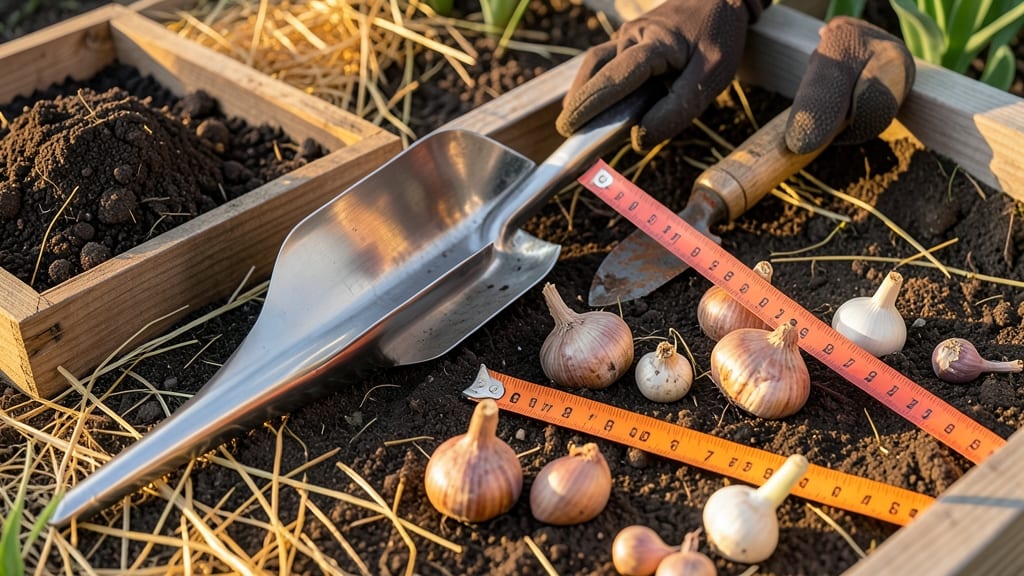
Plant bulbs in Zone 8 during fall (October–November) or early spring (February–March) to ensure vibrant blooms next season 🌱—but timing isn’t one-size-fits-all.
Zone 8 gardeners know timing is everything—plant bulbs too early, and they’ll rot; too late, and you’ll miss spring blooms. The secret? Chill hours, soil temps, and bulb types all play a role in getting your daffodils, tulips, and hyacinths to thrive.
Fall planting is the gold standard for most bulbs, giving them time to root before winter. But coastal areas with milder winters may need to adjust, while inland spots with colder snaps should plant earlier. Soil should be cool (below 60°F) and moist, not soggy.
In this guide, I’ll break down the perfect planting windows for Zone 8’s chill-hour zones, soil prep tips, and how to troubleshoot common mistakes—so your bulbs bloom like clockwork.
Zone 8 bulb planting timeline by chill-hour requirements
In Zone 8, where winters are mild and frost-free periods stretch, timing your bulb planting correctly is key to avoiding rot or missed blooms. Unlike colder zones, you can plant both fall and early spring—but the chill-hour needs of each bulb dictate the perfect window.
Let’s break down when to plant based on low-chill, medium-chill, and high-chill requirements.
Most gardeners in Zone 8 focus on fall planting (October–November) because it mimics natural cycles, but early spring (February–March) works for low-chill varieties. The trick? Soil temps should be below 60°F for root growth to start, but not so cold that bulbs freeze.
Use this chill-hour guide to match bulbs to your microclimate.
⚠️ CRITICAL NOTE: Coastal Zone 8 areas (like San Diego) may need earlier fall planting (September) due to milder winters, while inland zones (like Phoenix) can wait until November. Always check your last frost date—Zone 8’s average is December 15, but microclimates vary widely.
For low-chill bulbs (300–600 hrs), like daffodils and crocuses, Zone 8’s winters often provide enough chill naturally. Plant these in October–November for spring blooms, or even February–March if you miss fall. These varieties thrive with minimal chill, making them perfect for coastal climates where winters are almost frost-free.
Medium-chill bulbs (600–900 hrs)—think tulips and hyacinths—need a little more winter "training." In Zone 8, aim for September–October planting to ensure they get enough cold exposure.
If your winters are unusually mild, try January–February planting instead. Always monitor soil temps; they should dip below 55°F for at least 4–6 weeks.
High-chill bulbs (900+ hrs) are the trickiest in Zone 8. Most traditional varieties (like many European snowdrops) struggle without extended cold. For these, plant in September in coastal areas or use a cold frame to extend chill time.
Alternatively, opt for Zone 8-tolerant hybrids labeled as "low-chill" or "mild-winter" varieties.
Pro tip: Use a soil thermometer to confirm temps before planting. Bulbs need cool soil (50–60°F) to root but won’t tolerate freezing ground. In inland Zone 8, wait until November to avoid early frosts, while coastal gardeners can start as early as September.
After planting, mulch heavily (3–4 inches of straw or leaves) to insulate bulbs from temperature swings. In spring, remove mulch once shoots emerge to prevent rot. Water lightly until leaves yellow—this feeds the bulb for next year’s blooms.
With the right timing, your Zone 8 garden can burst into color from February through May!
Remember: No chill? No blooms. If your winters are too mild, consider artificial chilling (store bulbs in a fridge for 6–8 weeks before planting) or choose heat-tolerant varieties like Spanish bluebells or rain lilies, which handle Zone 8’s climate like pros. 🌷
How to adjust planting for Zone 8’s microclimates and soil conditions
Zone 8’s climate varies dramatically from coastal areas with mild winters to inland regions with cooler nights. These differences can shift your bulb planting window by 4-6 weeks.
Coastal gardeners in San Diego might plant daffodils in December, while inland Las Vegas gardeners should plant by November to avoid winter rains. Always check your last frost date—coastal areas rarely drop below 35°F, while inland zones may hit 25°F.
Soil type also changes planting timing. Heavy clay soils stay cooler longer, delaying planting until soil temps drop below 60°F. In contrast, sandy soils warm up faster, so plant bulbs earlier in October to avoid summer heat stress.
Test your soil’s moisture retention—clay holds water longer, while sand drains quickly. Amending with compost improves both types but serves different purposes: clay needs organic matter to loosen, while sand benefits from moisture retention.
🌱
Adjusting Planting for Zone 8 Microclimates
Coastal Zone 8 (e.g., San Diego, Santa Barbara)
- ✅ Plant later (Dec-Feb)
- ✅ Milder winters reduce chill hours
- ❌ Avoid Nov planting—soil too warm
Inland Zone 8 (e.g., Phoenix, Sacramento)
- ✅ Plant earlier (Oct-Nov)
- ✅ Cooler nights meet chill needs
- ❌ Delay past Dec—frost risk
Soil Adjustments
- 🌱 Clay soil: Plant 2 weeks later; amend with sand
- 🌱 Sandy soil: Plant 2 weeks earlier; add compost
- ❌ Waterlogged soil = bulb rot; raise beds if needed
To extend your growing season, use mulch (3-4 inches of straw or leaves) to insulate bulbs from temperature swings. In coastal areas, this lets you plant tulips as late as January.
For inland gardeners, a cold frame can create microclimates that add 100+ chill hours—critical for hyacinths or alliums that need 900+ hours. Monitor soil temps with a soil thermometer; bulbs need 40-60°F for root growth.
For sandy soils, water deeply after planting to encourage root establishment, then reduce to weekly once shoots appear. In heavy clay, water lightly but frequently to prevent waterlogging.
Both extremes benefit from drip irrigation, which delivers moisture directly to roots without disrupting soil structure. Avoid overhead watering—it can spread fungal diseases like botrytis in damp conditions.
If your Zone 8 area experiences unpredictable frosts, opt for low-chill bulbs like miniature daffodils or grape hyacinths, which thrive with 300-600 chill hours. For high-chill lovers, try cold frames or shade cloth to simulate winter conditions.
Always plant bulbs 3x deeper than their diameter—this protects them from temperature fluctuations and pest damage.
🌿