
Plants
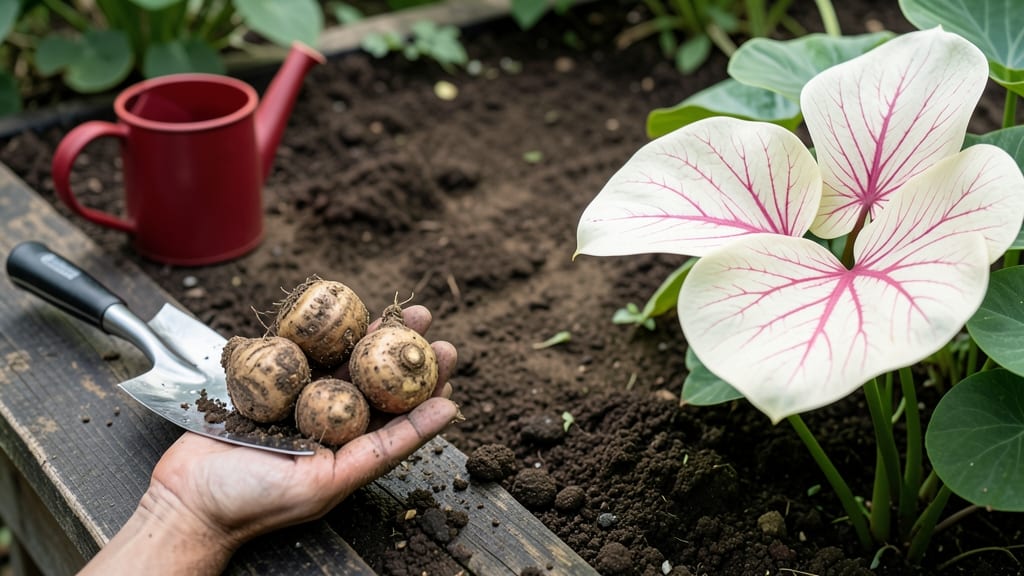
Plant caladium bulbs in Zone 8 between late March and early April after the last frost date—when soil temperatures hit a steady 65°F and nighttime lows stay above 50°F.
Struggling to get your caladiums to bloom with their signature vibrant foliage in Zone 8? Timing is everything—and getting it wrong can mean the difference between stunning summer gardens and disappointing flops.
Unlike cool-season crops, caladiums 🌿 thrive in warmth, so planting too early risks frost damage, while waiting too long cuts their growing season short. The key is watching for soil warmth and avoiding late-spring cold snaps that can stall growth.
Below, I’ll walk you through the exact cues to time your planting, plus post-planting care tips to keep those showstopping leaves thriving all summer—no guesswork involved.
Optimal planting window for caladium bulbs in Zone 8
If you're eager to see your caladium bulbs transform into those stunning, heart-shaped leaves, timing is absolutely critical in Zone 8. Unlike hardy perennials, caladiums thrive only when planted after the soil has warmed enough to support their tropical nature.
The ideal window for planting in Zone 8 is late March through early April, but this can shift slightly depending on your specific microclimate.
Zone 8 spans a wide range of temperatures, from 10°F to 20°F cold snaps in the north to nearly frost-free winters in the south. For most of Zone 8, the last average frost date falls between February 15 and March 15.
Planting too early—before the soil reaches 65°F—can stunt growth or even kill your bulbs, while waiting too long may limit their vibrant display before summer's end.
Here’s the key: caladiums need warmth to sprout, but they also need time to establish roots before the intense summer heat of Zone 8 arrives. The sweet spot balances these factors, ensuring your plants have 6-8 weeks of growth before peak summer temperatures hit.
Let’s break down the late-spring vs. early-summer tradeoffs. Planting in late March or April gives your caladiums the best chance to establish roots and develop vibrant foliage before the Zone 8 summer heat (often exceeding 90°F) arrives.
However, if you’re in a warmer microclimate (like coastal Zone 8), you might push planting to early May—but be prepared to provide afternoon shade to prevent leaf scorch.
One common mistake I see is planting caladiums too early in Zone 8, thinking the frost danger has passed. But cold soil (below 60°F) can cause bulbs to rot before they even sprout.
Use a soil thermometer to confirm warmth—this simple tool is a game-changer for tropical plants like caladiums.
For container gardening in Zone 8, you have even more flexibility. Since pots warm up faster than ground soil, you can plant 2–3 weeks earlier than in-ground. Just ensure your containers have drainage holes and use a lightweight potting mix to prevent waterlogging.
If you’re in the northern edge of Zone 8 (closer to Zone 7), err on the side of planting later (early April). Conversely, in the southern part of Zone 8, you might even plant in February if your winters are consistently mild.
Always check your local USDA frost maps for precision.
Pro tip: Mark your calendar for June 15—this is when many Zone 8 gardeners start reducing water to signal bulbs to prepare for dormancy. But if you’re aiming for a fall display, you can extend their season by keeping them lightly watered until the first frost.
Remember, caladiums are not frost-tolerant, so even a light frost can damage their stunning leaves. By planting in the optimal window and monitoring soil temperatures, you’ll set your caladiums up for a show-stopping summer garden that rivals any tropical paradise.
Signs your Zone 8 soil is ready for caladium planting
Your Zone 8 garden can transform with caladium bulbs, but timing is critical. These tropical beauties demand warm soil and stable temperatures—plant too early, and frost lurks; too late, and summer's vibrant foliage arrives too late. Let's decode the key soil readiness signs to ensure your caladiums thrive.
First, check the soil temperature. Caladiums need at least 65°F soil to sprout successfully. Use a soil thermometer to confirm—cold soil slows germination and invites rot. In Zone 8, this typically aligns with mid-to-late March, but your local microclimate may shift this window by weeks.
Next, monitor frost risk. Caladiums are frost-sensitive—even a light frost will kill emerging shoots. Wait until after your last expected frost date (usually mid-February in most of Zone 8). If you're unsure, extend the wait until nighttime temperatures consistently stay above 50°F.
⚠️ callout warning
- Cold Soil Shock: Planting before 65°F soil causes rot—caladiums won't tolerate chill.
- Late Planting: Waiting until June delays foliage until late summer, missing peak vibrancy.
- Overwatering: Soggy soil in spring invites fungal diseases—caladiums hate wet feet.
- Frost Risk: Even Zone 8a can see late frosts—verify local forecasts before planting.
💡 Pro Tip: Use mulch to warm soil faster—black plastic or straw speeds up 65°F thresholds by 1-2 weeks.
Don't overlook moisture balance. Caladiums prefer consistently moist (not soggy) soil. Test by pressing your finger 1 inch deep—if dry, water thoroughly before planting. In Zone 8's spring rains, amending soil with compost improves drainage and prevents waterlogging.
Finally, observe local plant cues. Notice when dahlias or canas (other heat-lovers) sprout—caladiums follow similar timing. If your Zone 8 neighbors are already planting impatiens or begonias, it's likely safe for your caladiums too.
With these signs in mind, you'll plant at peak readiness, ensuring bold foliage all summer long. Miss the window? No worries—caladiums tolerate early summer planting too, though growth may be slower. 🌿