
Plants
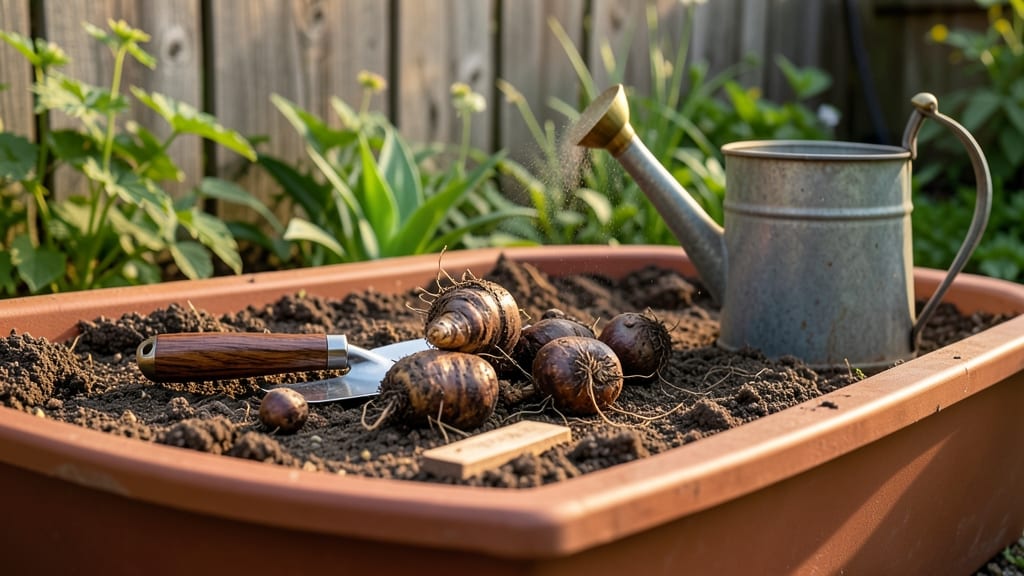
Planting calla lily bulbs in Zone 8 at the right time means the difference between bold summer blooms and struggling growth.
With frost-free days stretching from mid-November to mid-December, you’ve got two chances to get it right: either in early spring (March to April) for summer flowers or in early fall (September to October) for blooms the following year.
But timing isn’t the only factor—soil temperature, frost risk, and even your local microclimate play a role. Get it wrong, and you might end up with bulbs that rot, leaves that yellow, or flowers that never open.
Below, I’ll break down the exact frost-free timeline, soil prep tips, and care steps to ensure your 🌸 calla lilies thrive in Zone 8’s warm climate.
Optimal planting dates for calla lilies in Zone 8 based on frost timing
Calla lilies thrive in Zone 8, but their planting window depends on whether you prefer spring blooms or fall prep. Unlike cold-hardy bulbs, calla lilies need consistent warmth to establish roots before flowering.
In Zone 8, the last frost typically occurs around mid-December, but coastal areas may stay frost-free year-round.
For spring blooms, plant calla lily bulbs in March or early April after soil temperatures reach 60°F (15°C). This timing ensures bulbs sprout before summer heat arrives. Inland areas with later frosts should wait until April to avoid frost damage to tender shoots.
Fall planting is also viable in Zone 8 for next-year blooms. Aim to plant bulbs in September or October, allowing roots to establish before winter dormancy. Coastal regions can plant as late as November, while inland areas should finish by October to prevent winter stress.
Here’s a quick reference for Zone 8 calla lily planting based on frost timing and soil conditions:
Coastal Zone 8 gardens benefit from extended planting windows due to milder winters. For example, San Diego gardeners can plant calla lilies as late as November, while inland areas like Phoenix should stick to September to avoid winter dieback.
Soil temperature is critical—calla lily bulbs won’t sprout until soil reaches 60°F (15°C). Use a soil thermometer to confirm readiness, especially in spring. In fall, aim for 55°F (13°C) to encourage root growth before dormancy.
If you’re unsure about frost dates, check your local USDA frost calendar. For example, Atlanta (Zone 8a) has a last frost around March 15, while San Antonio (Zone 8b) may see frost as late as January. Adjust planting dates accordingly.
For container gardening, plant calla lily bulbs in late spring (May) to avoid overheating in pots. In-ground plantings should be completed by April for summer blooms or September for fall prep.
Pro tip: Mulch newly planted bulbs with 2-3 inches of straw to retain moisture and regulate soil temperature. This is especially helpful in inland Zone 8 areas with hot summers or cold snaps.
Remember, calla lilies are tender perennials in Zone 8—they won’t survive freezing temperatures. If you experience unexpected frost, protect bulbs with row covers or move containers to a sheltered location.
How to prepare calla lily bulbs for planting in warm Zone 8 climates
Preparing calla lily bulbs for Zone 8’s warm climate requires careful attention to soil conditions and planting timing. Unlike cooler zones, Zone 8’s mild winters mean bulbs can rot if planted too early or suffer stress from summer heat if planted too late.
Start by selecting firm, plump bulbs with no soft spots or mold—these will establish roots faster in your 60-75°F soil.
Before planting, test your soil pH—calla lilies thrive in slightly acidic to neutral soil (pH 6.0-7.0).
If your soil is too alkaline, amend it with peat moss or sulfur to lower the pH. Zone 8’s well-draining soil is critical; amend heavy clay with compost or perlite to prevent waterlogging, which can drown bulbs.
⚠️ callout warning
In Zone 8, planting calla lily bulbs before March 15 exposes them to lingering cool, damp soil—ideal conditions for fungal diseases. Wait until soil temps reach 60°F (use a soil thermometer) or risk bulbs rotting before sprouting. For fall planting, aim for September 1-October 15 to allow roots to establish before winter.
Decide between in-ground planting or containers based on your space. In-ground bulbs need 6+ inches of loose soil and 6-inch spacing between plants. Containers work well for small spaces—use pots with drainage holes and plant 2-3 bulbs per 12-inch container.
Fill containers with a mix of potting soil and perlite for aeration.
When planting, position bulbs with their neck (narrow end) upward and 4 inches deep. In Zone 8, avoid burying deeper—heat can stress bulbs. Water immediately after planting to settle the soil, then maintain 1 inch of water weekly during dry spells.
Mulch with 2-3 inches of straw to retain moisture and regulate soil temperature.
Common mistakes in Zone 8 include overwatering (calla lilies hate soggy roots) and poor sunlight exposure. While they tolerate partial shade, they need at least 4 hours of morning sun for strong blooms. If planting near trees, choose a spot with dappled shade to avoid root competition.
After planting, monitor for pests like slugs or aphids, which thrive in Zone 8’s humidity. Use neem oil or diatomaceous earth as needed. With the right prep, your calla lilies will reward you with bold summer blooms from June to August.