
Plants
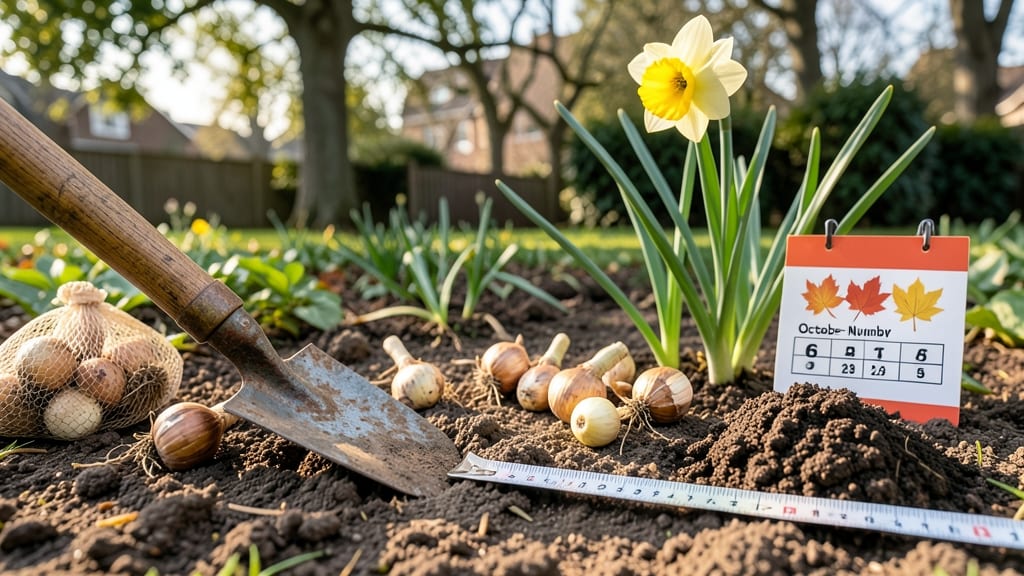
Planting daffodil bulbs in Connecticut during October or November ensures they get the 6-8 weeks of chill they need before spring blooms.
If you’ve ever waited until spring to plant daffodils, you’ve missed the perfect chill window—and that’s why your bulbs might not flower as boldly. In Zone 6a, timing matters more than soil type or depth, because those bulbs need a cold snap to wake up right.
Too early, and they’ll rot in wet soil; too late, and they won’t get enough cold. The ideal window is 4-6 weeks before the ground freezes, which for most of Connecticut means mid-October to early November.
I’ll walk you through how to read the signs, adjust for early frosts, and even salvage a late planting.
By the end, you’ll know exactly when to dig, how deep to plant, and why Connecticut’s unpredictable falls can still mean a vibrant spring display of 🌼.
Optimal planting windows for CT daffodils: month-by-month chill requirements
Connecticut's Zone 5-6 climate demands precise timing for daffodil bulbs to thrive. Planting too early risks rot from wet soil, while late planting may prevent bulbs from getting enough chill hours (12-16 weeks below 40°F) needed to bloom.
The ideal window balances these factors, typically between mid-October and early November, but varies by variety.
Early-blooming daffodils like 'Tête-à-Tête' (dwarf) need only 8-10 weeks of chill, while standard varieties such as 'Ice Follies' require 14-16 weeks. Connecticut's unpredictable winters—with sudden thaws followed by deep freezes—make this timing even more critical.
Adjust your schedule based on soil temperature (aim for 50-60°F) and frost predictions.
Here’s how to navigate Connecticut’s planting calendar for daffodils, accounting for chill needs and frost risks:
| Month | Soil Temp (Ideal) | Chill Hours Needed | Best Varieties | CT-Specific Tip |
|---|---|---|---|---|
| September | 60-65°F | 0-4 weeks | Early bloomers (e.g., 'Minerva') | Only for early varieties; risk of rot if soil stays wet. |
| October | 50-60°F | 6-12 weeks | Standard (e.g., 'Ice Follies') | Best window: Plant by mid-October for full chill exposure. |
| November | 40-50°F | 12-16 weeks | Late bloomers (e.g., 'Papillon') | Plant before ground freezes; mulch after planting. |
| December | Frozen | 16+ weeks | None (bulbs dormant) | Only plant if soil isn’t frozen; high rot risk. |
For early varieties, you can push planting to late September if your soil drains quickly and temperatures stay mild. Test your soil’s moisture by squeezing a handful—if it forms a ball, wait for drier conditions.
In western CT (Zone 6a), where winters are slightly milder, you might extend planting into early November, but avoid planting after the first hard frost.
Adjust for unpredictable CT winters by monitoring USDA frost maps or local weather forecasts. If a warm spell follows planting, bulbs may sprout prematurely and get damaged by later freezes.
To prevent this, plant deeper (6-8 inches) in sandy soil or use a thick mulch layer (3-4 inches of straw or leaves) after planting to insulate bulbs.
Late varieties like 'Peeping Tom' or 'Thalia' benefit from planting in November to maximize chill time, but only if the ground isn’t frozen. Use a soil thermometer to confirm temperatures are above 40°F at a depth of 6 inches.
If frost is imminent, prioritize container planting—move pots to a sheltered location or garage until spring.
Protect your investment by avoiding waterlogged soil, a common issue in CT’s clay-heavy regions. Amend planting beds with compost or sand to improve drainage. After planting, water lightly to settle soil but avoid overwatering—daffodil bulbs rot in soggy conditions.
In eastern CT (Zone 5b), where winters are colder, plant 2 weeks earlier than western CT to ensure bulbs get sufficient chill.
Remember, daffodil bulbs need darkness to root. Plant them in low-light areas (like under deciduous trees) or cover with 3 inches of mulch immediately after planting. This mimics their natural forest-floor habitat and encourages strong root growth before spring.
By following these chill-ready guidelines, your CT daffodils will reward you with bold, early blooms that outshine even the frostiest winters.
How to prepare daffodil bulbs for CT’s unpredictable fall weather
Connecticut’s fall weather can swing from warm spells to early frosts, making daffodil bulb prep a critical step. To ensure vibrant spring blooms, your bulbs need hardening, proper soil conditions, and protection from unpredictable moisture.
Let’s break down how to prepare them for Zone 5-6’s chilly challenges—whether you’re planting in-ground or in containers.
Start by hardening your bulbs 2-3 weeks before planting. Place them in a cool, dark spot (like a garage) at 40-50°F to mimic winter dormancy. This helps them develop cold resistance and prevents shock when exposed to CT’s fall temperature swings.
Skip this step, and you risk weak or delayed blooms next spring.
🌱 Step-by-Step Prep for CT Daffodil Bulbs
- 1 Hardening Phase: Store bulbs in a cool, dark spot (40-50°F) for 2-3 weeks before planting. This mimics winter dormancy and builds cold resistance.
- 2 Soil Prep: Mix well-draining soil with compost (ratio 2:1). CT’s clay-heavy soil? Amend with sand or perlite to prevent waterlogging. Aim for a pH of 6.0-7.0.
- 3 Planting Depth: Bury bulbs 6-8 inches deep (twice their height). In containers, use pots with drainage holes and plant 3-4 bulbs per 6-inch pot for optimal airflow.
- 4 Freeze Protection: After planting, cover bulbs with straw mulch (3-4 inches) to insulate against early frosts. For containers, move them to a protected location (like a garage) if temps drop below 20°F.
- 5 Watering: Water deeply after planting, then reduce watering until spring. Overwatering in fall can cause bulb rot. Aim for 1 inch of water per week unless CT’s rainy season hits.
For container planting, choose pots with drainage holes and fill the bottom with gravel or broken pottery to prevent soggy roots. CT’s wet springs can drown bulbs, so prioritize airflow and drainage. If you’re planting in-ground, avoid low spots where water pools—daffodils hate waterlogged soil.
Pro tip: Mark your planting spots with biodegradable flags to avoid disturbing bulbs in spring. Connecticut’s early freezes can sneak up, so monitor your garden and adjust mulch as needed. With the right prep, your daffodils will thrive through winter and reward you with bold spring blooms.
Remember, timing is everything in CT’s climate. Plant too early, and bulbs may sprout before winter; too late, and they won’t establish roots before frost. Aim for late October to mid-November—just before the ground freezes—to strike the perfect balance.