
Plants
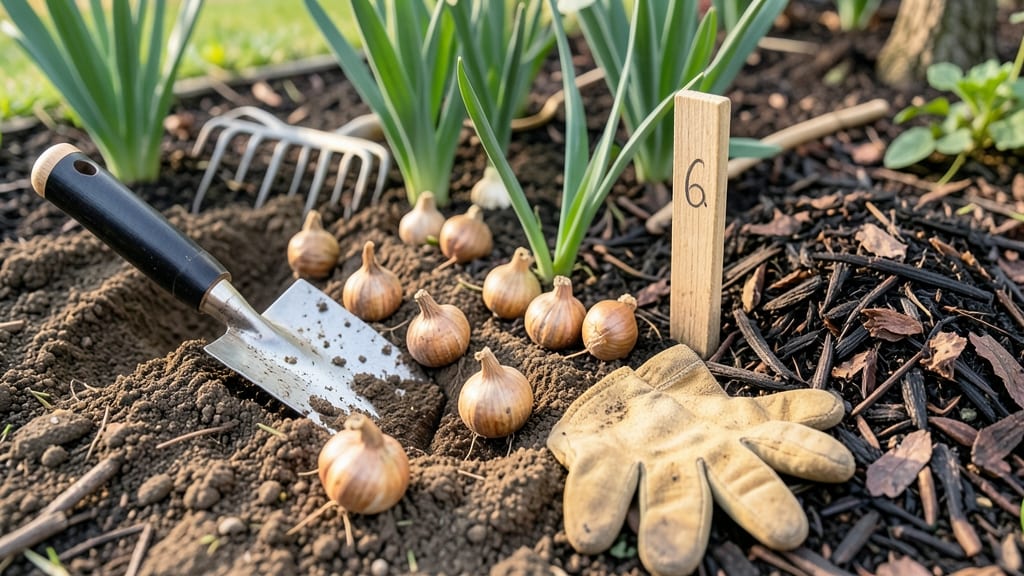
Planting daffodil bulbs in Tennessee between October and December ensures they’ll bloom beautifully next spring, thanks to the region’s 6a-7b climate and mild winters.
But timing is everything—get it wrong, and your bulbs might rot before winter sets in, or worse, fail to flower at all. Tennessee’s unpredictable fall weather means you can’t just follow a generic calendar; you need to know the exact soil temperature thresholds and when your local frost date arrives.
Here’s the game-changer: plant your 🌼 daffodil bulbs when soil temps hit 40-60°F, typically 4-6 weeks before the ground freezes (usually by mid-November). That window gives roots time to establish before winter dormancy kicks in.
In this guide, you’ll learn the precise planting schedule for Tennessee, how to prep your soil for drainage (critical in clay-heavy areas), and which daffodil varieties thrive best in Zone 7b’s shorter chill season.
Best planting window for Tennessee daffodils (USDA Zone 7b climate guide)
Planting daffodil bulbs in Tennessee requires careful timing to account for our mild winters and variable fall temperatures. Unlike northern states, Tennessee's USDA Zone 7b climate means bulbs need to establish roots before the ground freezes—but not so early that they sprout prematurely.
Aim for a 6-8 week window between late September and mid-November, when soil temperatures consistently stay between 40-60°F.
This window ensures bulbs get the chill hours they need (400-600 hours below 45°F) while avoiding Tennessee's occasional warm spells that can trick bulbs into sprouting too soon. Early varieties like 'Tête-à-Tête' can handle slightly warmer soil, while late bloomers like 'Ice Follies' need cooler conditions to thrive.
Tennessee's microclimates also play a role. Mountain regions like Great Smoky Mountains may experience earlier frosts, while Middle Tennessee valleys often stay warmer longer. Always check your local last frost date—typically mid-November—and plant 4-6 weeks before that date to stay safe.
Here’s your Tennessee-specific planting timeline with soil temperature thresholds and microclimate adjustments:
| Planting Window | Soil Temp (°F) | Tennessee Microclimate Notes | Action |
|---|---|---|---|
| Late September | 60-70°F | Early varieties only (e.g., 'Minnow'). Mountain regions risk warm soil. | Plant early bloomers in cooler microclimates. |
| October (Ideal) | 50-60°F | Best for most varieties. Valley areas stay warm longer. | Plant standard varieties (e.g., 'Thalia'). |
| Early November | 40-50°F | Late varieties (e.g., 'Salome'). Plant before ground freezes. | Plant late bloomers in protected spots. |
| Mid-November (Deadline) | Below 40°F | Risk of frost. Only plant if soil hasn’t frozen. | Avoid planting; bulbs won’t establish roots. |
For containers or raised beds, you can extend your planting window slightly later into November, as these warm up faster in spring. However, always prioritize soil temperature over calendar dates—stick your finger in the soil. If it’s too warm (above 60°F), bulbs may sprout prematurely and suffer in winter.
Tennessee’s humidity and clay soils in regions like Nashville or Chattanooga also mean bulbs need well-draining soil. Amend heavy clay with compost or sand to prevent rot.
In sandy soils (common in East TN), add organic matter to retain moisture. Both extremes can stress bulbs during their critical root-establishment phase.
Pro tip: Use a soil thermometer to monitor temperatures. Aim for 50-60°F at planting depth (6 inches). If your soil runs warmer than 65°F, wait 1-2 weeks or plant in shadier spots to delay sprouting.
This is especially critical for late-season varieties, which need cooler temps to bloom reliably.
If you miss the fall window, you can plant daffodils in early January (before buds swell), but expect smaller blooms the first year. This is only recommended for container gardening or if you’re using pre-chilled bulbs from a nursery. Never plant daffodils in spring—they’ll rot before flowering.
Remember, Tennessee’s unpredictable weather means flexibility is key. Check forecasts for hard freezes and adjust your timeline accordingly. With the right timing, your daffodils will reward you with vibrant blooms from late winter to early spring, brightening up Tennessee’s often gray skies.
Daffodil chill requirements: how Tennessee's mild winters impact bulb success
Tennessee's USDA Zone 7b climate presents unique challenges for daffodil growers. With milder winters and fewer chill hours (below 45°F), many traditional daffodil varieties struggle to bloom reliably. Unlike colder northern regions, Tennessee's winters often fail to provide the 400-600 chill hours most daffodils need to trigger flowering.
Understanding these requirements is key to selecting the right varieties and compensating for our climate.
Most daffodils require 400-600 hours below 45°F to properly vernalize (a cooling period that signals blooming time). In Tennessee, we typically see only 300-500 chill hours, leaving many bulbs confused about when to flower.
This mismatch often results in poor blooming or no flowers at all. The good news? Some varieties are bred to thrive with fewer chill hours, and pre-chilling techniques can help bridge the gap.
Comparison Table: Daffodil Varieties for Tennessee's Mild Winters
| Variety | Chill Hours Needed | Bloom Time | Tennessee Suitability |
|---|---|---|---|
| 'Tête-à-Tête' | 200-300 hours | Early to mid-spring | ✅ Excellent (low chill requirement) |
| 'Ice Follies' | 300-400 hours | Mid-spring | ✅ Good (adapts well to Tennessee) |
| 'Thalia' | 400-500 hours | Late spring | ⚠️ Moderate (may need pre-chilling) |
| 'Paperwhite' | 0-100 hours | Winter to early spring | ✅ Best for containers (no chill needed) |
For Tennessee gardeners, low-chill varieties like 'Tête-à-Tête' and 'Ice Follies' are ideal choices. These varieties bloom reliably even with our shorter winters. If you're set on traditional daffodils, consider pre-chilling bulbs for 6-8 weeks in a refrigerator before planting.
Store bulbs in a paper bag with moist peat moss at 35-40°F to mimic winter conditions.
Another strategy is to plant bulbs in containers and move them to a cool garage or unheated basement during winter. This gives them the extra chill they need without risking frost damage.
Just ensure containers have drainage holes to prevent rot. With the right variety or pre-chilling technique, you can enjoy vibrant daffodil blooms even in Tennessee's mild climate.
Remember, soil temperature also plays a role. Plant bulbs when soil temps drop to 60°F or below—typically late October to early November in most of Tennessee. This timing ensures bulbs establish roots before winter sets in, giving them a head start for spring blooming.
If you're unsure about your local chill hours, check with your local Cooperative Extension Service or use a weather station app to track temperatures. With the right approach, Tennessee's mild winters won't stop you from growing stunning daffodils!