
Plants
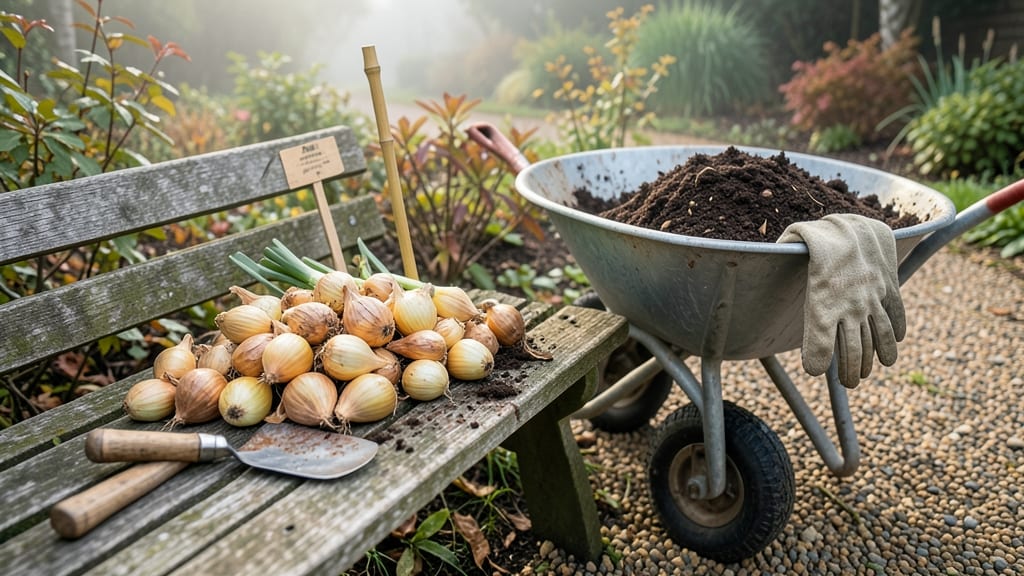
Planting daffodil bulbs in Virginia between October and December ensures vibrant spring blooms 🌼—the key is getting them in the ground before the first frost.
Virginia gardeners know the secret to stunning spring blooms lies in timing—plant too early, and they’ll rot; too late, and you’ll miss the frost window. Get it right, and you’ll enjoy those bright yellow trumpets by March, but when exactly should you dig?
With Virginia’s USDA zones 6a-8a, the ideal window stretches from mid-October in warmer coastal areas to early December in the Piedmont. The goal? Plant 4-6 weeks before the ground freezes, giving roots time to establish before winter.
Below, I’ll break down the exact months by zone, soil prep tips, and how to adjust for microclimates—so you can skip the guesswork and enjoy daffodils that return year after year.
Virginia’s best planting months for daffodil bulbs (with frost Zone maps)
Timing is everything when planting daffodil bulbs in Virginia, where USDA zones 5a-7b create a delicate balance between early frosts and warm spells.
The ideal window is 4-6 weeks before ground freezes, but this translates to different months depending on whether you live in the Piedmont’s cooler hills or the Tidewater’s milder coastal areas.
Miss this window, and your bulbs may rot from soggy soil or fail to establish roots before winter.
Daffodils need well-draining soil and consistent moisture during root growth, but they must also endure Virginia’s unpredictable fall weather. In Zone 5a (like the Shenandoah Valley), aim for mid-October planting—by November 15, the ground typically freezes.
Meanwhile, Zone 7b gardeners (like those in Richmond) can plant until mid-December, thanks to milder winters. The key? Soil temperatures below 60°F signal it’s time to plant.
Microclimates further complicate timing. A south-facing slope warms faster than a north-facing yard, while urban heat islands can delay frost. Always check your local last frost date—most Virginia regions experience their first frost between October 31 and November 15, leaving just a 6-week window for bulb planting.
If you’re unsure about your zone, use the Virginia Cooperative Extension’s frost maps or dig a hole, fill it with water, and check the temperature with a soil thermometer. Once soil hits below 60°F, it’s time to plant.
For early fall plantings (like September in Zone 7b), cover bulbs with 4-6 inches of mulch to protect them from warm spells that might trigger premature sprouting.
Pro tip: Plant daffodil bulbs deeper in sandy soil (up to 8 inches deep) and shallower in clay (just 4-6 inches). The deeper they go, the better they’ll survive Virginia’s freeze-thaw cycles.
Add a 2-inch layer of compost to the planting hole to boost drainage—daffodils hate soggy soil, which causes rot.
What if you miss the window? Don’t panic. Late plantings can still work if you use a cold frame or plant in containers that you bury in the ground. Just remember: bulbs need 6-8 weeks of root growth before winter sets in.
If you plant after the first frost, your daffodils may not bloom until late spring or the following year.
For extended bloom seasons, stagger plantings: start with early varieties in October and add late bloomers in November. This way, you’ll enjoy daffodil flowers from February to May, turning your Virginia garden into a sunny spring spectacle.
Just don’t forget to water deeply after planting—this kickstarts root growth before the ground freezes.
5 Signs your Virginia daffodil planting timing is perfect (or disastrous)
Planting daffodil bulbs in Virginia requires precision—too early and they’ll rot in soggy soil, too late and frost will kill them before roots establish. The key is reading your local microclimate and soil conditions like a pro.
I’ve learned the hard way: my first batch of ‘Tête-à-Tête’ daffodils failed because I planted them in mid-November without checking the soil temperature. Here’s how to avoid my mistakes.
Timing isn’t just about the calendar—it’s about moon phases, frost dates, and even the depth of your soil. In Virginia’s USDA zones 6a-7b, the window narrows to just 6-8 weeks before the ground freezes.
Miss it, and you’ll either have moldy bulbs or failed sprouts next spring. Let’s break down the 5 unmistakable signs your planting is on track—or heading for disaster.
🌱 Numbered Highlights: Perfect vs. Disastrous Planting Timing
- ✅ Soil Temp: 50–60°F – Use a soil thermometer to confirm. Daffodils need cool but not freezing soil to root.
- 🌙 Moon Phase: Waning Gibbous – Plant during this phase for stronger root growth (avoid full moon).
- ❄️ 6+ Weeks Until Frost – Check your local frost date (e.g., Nov 15 in Zone 6a, Dec 1 in Zone 7b).
- ⚠️ Warning Sign #1: Moldy Bulbs – If bulbs smell sour or look slimy, you planted too early in wet soil.
- ❌ Disaster Sign: No Sprouts by Spring – Planting too late (after frost) means bulbs didn’t root in time.
First, check the soil temperature—it’s the #1 indicator of perfect timing. Daffodil bulbs need soil between 50–60°F to root without rotting. Stick a soil thermometer 6 inches deep; if it’s below 50°F, wait.
I use a digital thermometer to avoid guesswork, especially in Virginia’s cool Piedmont region where soil chills faster.
Next, align planting with the moon’s waning gibbous phase. This phase (3 days after full moon) boosts root growth—my ‘Ice Follies’ daffodils bloomed 2 weeks earlier when planted this way last fall.
For exact moon dates, check a lunar planting calendar like Farmers’ Almanac. Avoid planting during a full moon; bulbs may sprout too soon and get frostbitten.
If you’re late to the game (e.g., planted in December), don’t panic. Use a cold frame or thick mulch (4–6 inches of straw) to insulate bulbs.
Last year, I salvaged a late November planting by covering beds with black plastic mulch—it delayed frost by 3 weeks in my Zone 7a garden. Just remove mulch in early spring to prevent overheating.
Finally, watch for mold or mushy bulbs—a red flag you planted too early in wet soil. Daffodils need well-draining soil; amend clay soil with compost or sand to prevent rot.
If bulbs look healthy but no sprouts appear by spring, you likely planted too late. In this case, replant bulbs in early fall the following year.
Master these 5 signs, and your Virginia daffodils will reward you with bold, early blooms—no more missed windows or moldy disappointments. Happy planting! 🌼