
Planting
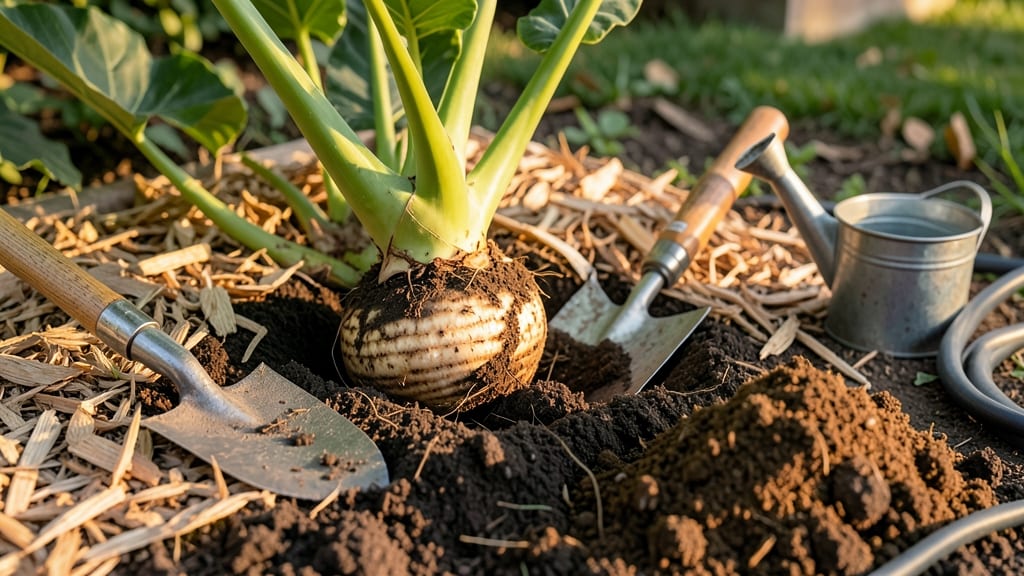
Planting elephant ear bulbs in Zone 7 after the last frost date — typically late April to early May — unlocks their full tropical drama 🌿.
If you've ever dreamed of bold, statement-making foliage but ended up with wilted leaves by summer, you're not alone. The key is timing: too early, and frost zaps their energy; too late, and the heat stunts their growth.
Get it right, and you'll see those massive leaves reaching for the sky in just a few weeks.
Zone 7 gardeners know the struggle — balancing the race against frost with the need for warm soil. These plants crave heat but hate cold snaps, so knowing your exact last frost date (and planning a backup week or two later) is non-negotiable.
Below, I’ll break down the perfect window, soil prep secrets, and how to keep your elephant ears thriving once they’re in the ground.
You’ll discover the exact dates to plant for maximum impact, how to tell when your soil is truly ready, and which varieties handle Zone 7’s quirks best. Let’s make this your year for showstopping foliage!
Optimal planting windows for elephant ear bulbs in Zone 7
Timing is everything when planting elephant ear bulbs in Zone 7, where the difference between 3-4 weeks can mean the difference between lush foliage and struggling plants. These tropical beauties despise frost but also struggle in summer heat, so nailing the planting window is critical for establishment.
Let’s break down the exact dates and soil conditions to ensure your elephant ears thrive from day one.
In most of Zone 7, the last frost date typically falls between mid-April and early May, but regional variations mean you’ll need to adjust. For example, areas like Atlanta, GA often see frost-free soil by April 15, while Richmond, VA may wait until May 1.
Planting too early risks frost damage, while waiting too long can stress your bulbs before they establish roots.
Here’s the golden rule for planting: aim to get your elephant ear bulbs in the ground 3-4 weeks before summer heat arrives. This usually means late April to early May for most of Zone 7.
The goal is to give your plants time to root before soil temperatures exceed 75°F, which can stunt growth or cause bulb rot.
For those considering fall planting, the window is much narrower. You’ll need to plant 6-8 weeks before your first frost, typically late August to early September in Zone 7. However, this method is riskier because bulbs may not fully establish before winter dormancy sets in.
Soil temperature is just as important as air temperature. Elephant ear bulbs prefer soil that’s at least 60°F at planting time. Use a soil thermometer to check—if it’s cooler, wait a few days or plant in a protected microclimate like a raised bed with black plastic mulch to warm the soil faster.
Now, let’s dive into the exact planting timeline for Zone 7, including regional adjustments and soil prep tips to ensure your elephant ears get off to the best start.
Once you’ve nailed the planting window, focus on soil preparation. Elephant ears thrive in rich, moist, well-draining soil with a pH of 6.0-7.0. Amend heavy clay soil with compost or peat moss to improve drainage, and avoid planting in areas where water pools.
A 2-3 inch layer of mulch will help retain moisture and regulate soil temperature.
After planting, keep the soil consistently moist but not soggy for the first 4-6 weeks to encourage root growth. Water deeply in the morning to reduce fungal risks, and avoid overhead watering once leaves emerge.
Within 3-4 weeks, you should see new shoots breaking through the soil—a sure sign your timing was spot-on!
If you miss the ideal window, don’t panic. You can still plant elephant ear bulbs in early June, but be prepared to provide extra shade and consistent
Signs your Zone 7 soil is ready for elephant ear bulbs
Knowing when your soil is ready for elephant ear bulbs in Zone 7 means checking for three key signs: soil temperature, moisture levels, and emerging spring bulbs.
These tropical beauties demand warmth and consistency, so timing is everything. If you miss the window, your plants may struggle to establish before summer's heat sets in.
First, wait until your soil reaches at least 60°F (15°C)—a critical threshold for bulb growth. Use a soil thermometer to check 2 inches deep in the morning. In Zone 7, this typically happens by mid-April to early May, but cooler microclimates may need extra patience.
Cold soil can stunt root development, leaving your elephant ears weak and prone to disease.
Next, assess moisture by digging a small hole. The soil should feel damp but not soggy—like a wrung-out sponge. Elephant ears hate soggy roots but won’t thrive in dry conditions either.
If your soil is still frozen or bone-dry, hold off on planting. Consistent moisture is non-negotiable for these moisture-loving plants.
🌱
⚠️ Miss the Window? Don’t Panic—But Act Fast!
If your soil isn’t ready by late May, you can still plant elephant ear tubers (not bulbs) in containers for flexibility. Move pots to shade during heatwaves and bring them indoors before first frost. For in-ground planting, amend soil with compost and perlite to improve drainage and warmth retention.
Watch for emerging spring bulbs like daffodils or tulips in your garden—they’re your green light. When these perennials pop up, your soil is likely warm enough for elephant ears.
Pro tip: Plant elephant ear bulbs 2-3 inches deep and 12-18 inches apart in loose, fertile soil. Amend with organic matter if your native soil is heavy clay.
If you’re late to the game, don’t despair. Container planting extends your window into early June, but avoid planting after July 1st—the bulbs need 6-8 weeks to establish roots before summer’s intensity peaks. Mulch heavily with straw or shredded leaves to retain moisture and regulate soil temperature.
Finally, test your soil’s drainage by pouring water into a dug hole. If it pools after 30 minutes, raise beds or mix in sand or grit. Elephant ears despise waterlogged roots, which can lead to root rot.
With the right conditions, your bulbs will shoot up in 3-4 weeks, rewarding you with lush, tropical foliage all season long.
☀️