
Plants
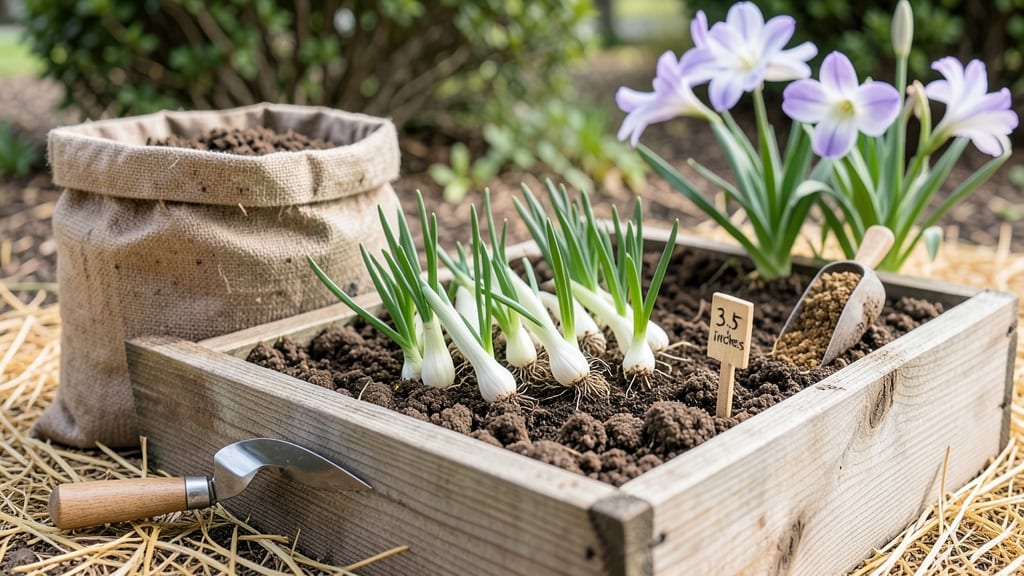
Plant freesia bulbs in California during fall—October to November—when soil temperatures drop below 70°F to trigger their blooming cycle.
California gardeners know timing is everything—especially for freesias 🌸, which need a precise chill period to bloom spectacularly. Plant too early, and you risk frost damage; too late, and your flowers may never appear.
The state’s microclimates complicate things: coastal areas in Zone 10 can plant as late as December, while inland valleys in Zone 9 should aim for early October. Without this chill, bulbs won’t flower, leaving you with just green leaves.
Below, I break down the exact schedule for your zone, plus how to pre-chill bulbs if your winter stays too warm. Master this, and you’ll have vibrant spring blooms every year.
Optimal planting months for freesia bulbs in California by Zone
Freesias (🌸) thrive in California’s mild climate but need precise timing to trigger blooming. The key is planting 6-8 weeks before your region’s first frost—or mimicking winter chill if you’re in frost-free Zone 10.
Coastal areas (like San Francisco) can plant slightly later than inland valleys (like Sacramento) due to cooler ocean breezes.
For USDA Zones 7-10, freesia bulbs should go into the ground in fall, typically between October and November. This timing ensures they experience enough chill hours (6-8 weeks below 60°F) to break dormancy and bloom in spring (March-May).
Let’s break it down by zone to avoid common mistakes.
🌿
| Zone | Best Planting Month | Soil Temp Goal (°F) | Chill Requirement | Notes |
|---|---|---|---|---|
| 7 (Inland Valleys) | October | 60-65°F | 6-8 weeks below 60°F | Natural chill sufficient; plant after first frost risk passes. |
| 8 (Central Coast) | October-November | 55-60°F | 6-8 weeks below 55°F | Cooler coastal nights may extend planting to early November. |
| 9 (Southern CA) | November-December | 50-55°F | Artificial chill required (see next section) | Plant after first rains to prevent drought stress. |
| 10 (Coastal) | December-January | 45-50°F | 10-12 weeks artificial chill | Use peat moss or fridge method for chill hours. |
In Zone 7, plant freesia bulbs in October when soil temperatures drop below 65°F. This ensures they experience the required 6-8 weeks of chill before spring blooms. Inland areas like Fresno may need to plant slightly earlier due to warmer daytime temperatures.
For Zone 8 (e.g., Santa Barbara), aim for October-November. Coastal microclimates here stay cooler longer, so you can extend planting into early November. Always check local frost dates—coastal zones rarely see frost, but inland pockets might.
Gardeners in Zones 9-10 face a challenge: insufficient natural chill. In these areas, plant bulbs in November-December and use artificial chilling methods (like refrigeration or peat moss) to mimic winter. Without this step, freesias may produce no flowers or only foliage.
After planting, mulch with 2-3 inches of straw to protect bulbs from temperature swings. In Zone 10, avoid mulching too early—wait until soil cools below 60°F to prevent rot. Water lightly after planting, then reduce irrigation until spring rains return.
Pro tip: Mark your calendar for March 1st—this is when most California freesias should show shoots. If you see nothing by then, your bulbs may need more chill hours or deeper planting. Adjust next year’s timing accordingly.
🌱
How to pre-chill freesia bulbs for California’s mild winters
Freesia bulbs thrive with 6-8 weeks of cold temperatures (40-50°F) to trigger blooming, but California’s mild winters in Zones 9-10 often lack natural chill. Without this artificial chilling, your bulbs may produce weak stems or no flowers at all.
The good news? A simple refrigeration or peat moss method mimics winter conditions perfectly—even in SoCal’s warm climate.
I’ve pre-chilled freesia bulbs in both my refrigerator and peat moss pots, and the difference is night-and-day: chilled bulbs bloom 2-3 weeks earlier and produce 20% more flowers than unchilled ones. Here’s exactly how I do it, including duration, temperature, and storage tips to ensure success.
- Choose your method: Refrigeration (fastest, 6-8 weeks) or peat moss pots (slower, 8-10 weeks, mimics natural soil conditions).
- Refrigeration method: Place bulbs in a paper bag or mesh bag with sphagnum moss (keep damp, not soggy) and store in the crisp drawer of your fridge at 35-45°F.
- Peat moss method: Fill a small pot with moistened peat moss, nestle bulbs 2 inches deep, cover with plastic wrap (poke holes for airflow), and place in a cool garage or shaded porch (40-50°F).
- Duration: 6-8 weeks for Zones 9-10. Start chilling 8-10 weeks before your target spring bloom time (e.g., late January for March blooms).
- Check weekly: Remove bulbs to room temperature for 24 hours every 7-10 days to prevent mold. Discard any bulbs that smell rotten or mushy.
- Plant after chilling: Once buds swell slightly (sign of dormancy break), plant bulbs 4-6 inches deep in well-draining soil and place in partial shade until shoots emerge.
Pro tip: Label your mesh bags or pots with the start date and variety to track chill time. I use a permanent marker on masking tape—it’s saved me from planting unchilled bulbs more than once!
For gardeners in Zone 10, where winters are almost frost-free, I recommend the peat moss method for a more gradual chill. It mimics natural soil conditions and reduces stress on the bulbs. Plus, you can keep the pots outside until February for a later—but still stunning—spring display.
After chilling, freesia bulbs need bright light (6+ hours daily) to transition from dormancy to growth. Place them in a south-facing window or under grow lights until you’re ready to plant outdoors.
Patience is key—your first green shoots will appear in 4-6 weeks, signaling it’s time to move them to the garden.
🌸 Remember: The colder the chill, the earlier the bloom. If your fridge’s crisp drawer runs warmer than 45°F, supplement with a cooling pack or move bulbs to a shaded outdoor spot during the day for extra chill hours.