
Plants
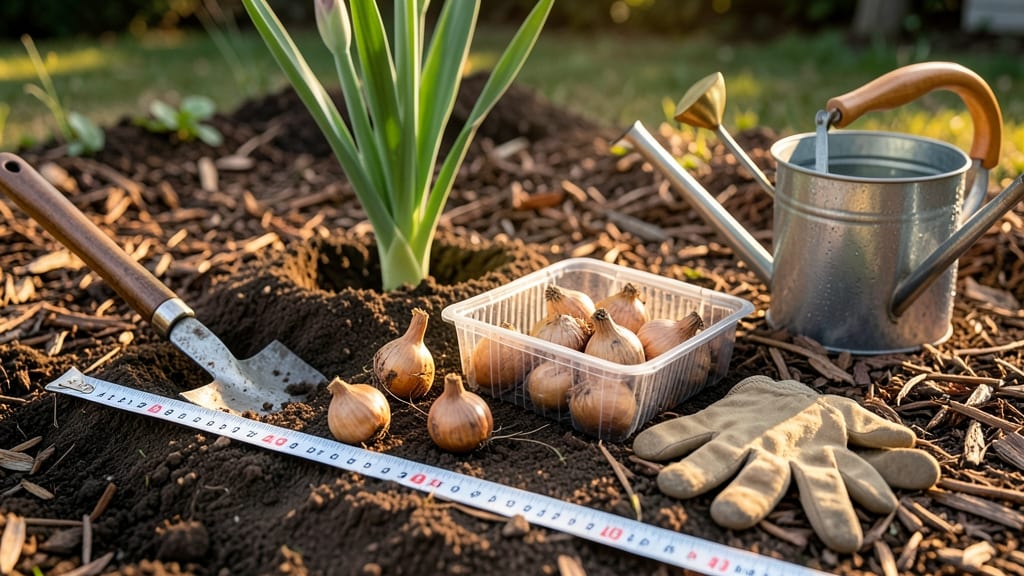
Planting gladiolus bulbs in Georgia at the right time means the difference between stunning summer blooms and wasted corms — and the window is narrower than most gardeners realize.
Georgia gardeners know summer’s vibrant bursts of color come from gladiolus—but timing your planting wrong can mean wilted blooms before they even peak. With USDA Zone 8’s unpredictable heat waves and late frosts, getting the schedule right is the key to peak summer displays.
Most gardeners assume early spring is the only safe bet, but planting too soon risks frost damage, while waiting too long cuts your bloom time short.
The ideal window is March through early April, after the last frost date, when soil temperatures hit 60°F—but there’s more to it than just the calendar.
Below, I’ll break down the exact dates for North vs. South Georgia, soil prep secrets to keep roots thriving in our humidity, and how to stagger plantings for continuous summer color—no more guessing, just guaranteed blooms.
Optimal Georgia gladiolus planting dates by USDA Zone 8 microclimate
Timing your gladiolus planting in Georgia’s USDA Zone 8 means balancing heat waves, frost risks, and soil temperature thresholds. North Georgia’s cooler microclimates differ from South Georgia’s earlier springs—understanding these nuances ensures vibrant summer blooms instead of wilted stalks.
Let’s break down the exact windows for corms and pre-sprouted bulbs to maximize your garden’s potential.
Georgia’s last frost dates vary dramatically: March 15 in North Georgia (Zone 7b) vs. February 28 in South Georgia (Zone 8b).
This 3-week difference directly impacts when you should plant. Soil temperature must reach 60°F (15°C) for gladiolus corms to thrive—waiting too long risks bolt plants that flower prematurely and flop in summer heat.
Here’s your Georgia gladiolus planting schedule, tailored to Zone 8 microclimates and adjusted for North vs. South differences:
| Planting Window | North Georgia (Zone 7b) | South Georgia (Zone 8b) | Soil Temp Threshold | Key Consideration |
|---|---|---|---|---|
| Early Planting (Risky) | February 15–March 1 | February 1–February 15 | 50–55°F (10–13°C) | Frost risk; mulch heavily |
| Ideal Planting (Recommended) | March 15–April 15 | March 1–March 31 | 60–65°F (15–18°C) | Balanced heat/frost; best blooms |
| Late Planting (Limited Blooms) | April 16–May 10 | April 1–April 15 | 65–70°F (18–21°C) | Smaller flowers; heat stress |
| Pre-Sprouted Bulbs | March 20–April 5 | March 10–March 25 | 55–60°F (13–15°C) | Faster growth; shorter season |
For North Georgia gardeners, sticking to the March 15–April 15 window ensures soil warmth and frost-free growth.
In South Georgia, you can plant 2–3 weeks earlier—but avoid February plantings unless you’re using row covers for cold protection. Pre-sprouted bulbs give you a 2-week head start and are ideal for late starters.
Adjust your planting depth based on soil type: 4 inches deep in sandy soil, 6 inches deep in clay. Spacing at 6 inches apart prevents crowding and disease spread—critical in Georgia’s humid summers. After planting, water deeply once to settle soil and encourage root growth.
Watch for Georgia’s heat waves after June 1. Gladiolus planted too late may bolt (send up flower stalks) before establishing roots, leading to weak stems that flop.
If you miss the ideal window, opt for heat-tolerant varieties like 'Green Star' or 'Picasso', which handle 90°F+ days better than standard cultivars.
Pro tip: Stagger plantings every 2 weeks from March to May for continuous blooms through September. This extension strategy works especially well in South Georgia, where summers last longer. Just remember—late plantings mean smaller blooms
5 Critical factors that determine your gladiolus success in Georgia
Gladiolus thrive in Georgia’s hot, humid summers, but without the right conditions, you’ll end up with leafy stalks and no blooms. I’ve planted these beauties for years in Zone 8b, and these five factors make the difference between showstopping spikes and disappointing flops.
Let’s dive into what truly matters beyond just the planting dates.
First, Georgia’s clay-heavy soils can strangle gladiolus roots if not amended properly. The #1 mistake I see is skipping soil prep—don’t make it! These plants demand well-draining, fertile soil with a pH between 6.0 and 7.0.
If your soil is compacted or waterlogged, roots suffocate, leading to bloom blindness (when plants sprout but never flower).
- 🌞 Full Sun Exposure: 6+ hours daily—no shade tolerance!
- 🪴 Soil Depth & Drainage: Plant corms 4-6 inches deep in loose, sandy soil.
- 💧 Watering Balance: Deep water 2x/week—never soggy soil.
- 🌡️ Humidity Management: Mulch to prevent fungal rot in Georgia’s 90%+ humidity.
- ✂️ Deadheading & Support: Remove spent blooms and stake 3-foot-tall stalks.
Next, sun exposure is non-negotiable. Gladiolus need full sun (6+ hours daily), and Georgia’s intense summer heat can scorch leaves if they’re shaded. I’ve seen bloom blindness strike when plants get only partial sun—they’ll grow leaves but refuse to flower.
Choose the sunniest spot in your yard, even if it means sacrificing a shady shrub.
Don’t overlook corm depth—planting too shallow or deep throws off the plant’s energy balance. In Georgia’s clay soils, I dig a trench, place corms 4-6 inches deep, and space them 6 inches apart.
Too shallow? They’ll bake. Too deep? They’ll rot. Use a soil thermometer to confirm 60°F soil temps before planting.
Georgia’s humidity is a double-edged sword—it fuels lush growth but also invites fungal diseases like rust and botrytis. I’ve lost entire beds to waterlogged soil in rainy springs.
The fix? Mulch heavily with pine straw to keep soil 60-70°F and improve airflow. Also, water at the base (never overhead) to avoid fungal spores splashing onto leaves.
Finally, bloom blindness happens when plants focus all energy on leaves instead of flowers. This usually means over-fertilizing with nitrogen or planting too late. For Georgia gardeners, I recommend a balanced 10-10-10 fertilizer at planting, then again when spikes emerge. Skip the high-nitrogen stuff—it’s a bloom killer.
Master these five factors, and your gladiolus will reward you with bold, summer-long blooms that turn heads at every garden tour. Start with soil prep, then watch your plants thrive under Georgia’s sun—without the guesswork! 🌸