
Plants
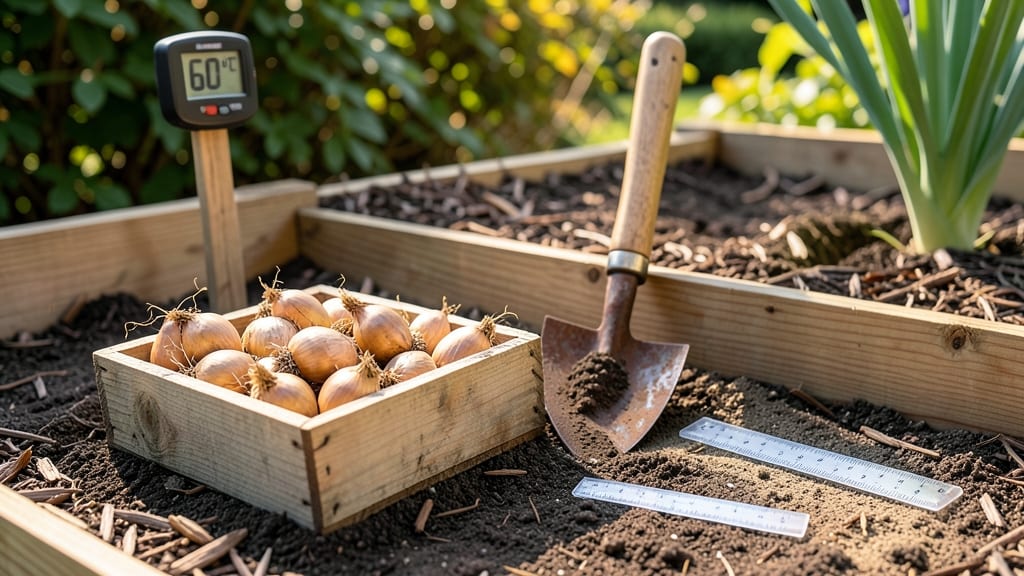
Planting gladiolus bulbs in Oregon between mid-April and early June 🌺 unlocks their full summer drama—tall spikes of color that thrive when timed just right.
Oregon’s unpredictable weather can turn gladiolus planting into a guessing game—but timing these dramatic blooms right ensures vibrant summer displays that last for weeks.
Coastal areas like Portland may wait until late May when frost risks fade, while inland zones like Bend can start earlier in April. The key is waiting until the soil warms to 55°F and nighttime lows stay above 40°F.
Below, I’ll walk you through the exact 4-week pre-planting checklist for Oregon’s climate zones, plus how to adjust for your microclimate—whether you’re battling Willamette Valley rains or high-desert dryness.
Oregon’s gladiolus planting zones: coastal vs. inland timing differences
Oregon’s diverse climate—from misty coastal areas to sunbaked high desert—creates a complex puzzle for gladiolus growers. These dramatic summer blooms thrive when planted at the right time, but frost dates and microclimates vary wildly across the state.
In USDA zones 7b-9a, coastal Portland’s chill delays planting by weeks compared to Bend’s early spring warmth.
Gladiolus bulbs need consistent soil temps above 50°F to sprout, but Oregon’s elevation shifts (sea level to 4,000+ feet) create distinct planting windows. The Willamette Valley’s moderate climate offers a middle ground, while high-desert areas like La Pine can plant 2-3 weeks earlier than coastal Eugene.
Key factor: Ocean influence. Coastal areas (e.g., Astoria) may see late-April frosts, while inland high-desert zones (e.g., Sisters) often hit 60°F soil temps by mid-March. This 6-week difference determines bulb viability—plant too early in cold zones, and they’ll rot; too late, and summer blooms vanish.
| Region | USDA Zone | Avg Last Frost | Ideal Planting Window | Soil Temp Threshold | Key Consideration |
|---|---|---|---|---|---|
| Coastal (Portland, Astoria) | 7b-8a | Late April | Mid-May to early June | 55°F+ consistently | Fog delays warming; use black plastic mulch |
| Willamette Valley (Eugene, Salem) | 8a-8b | Early April | Late April to mid-May | 50°F+ for 10+ days | Moderate rain; amend clay soil |
| High Desert (Bend, La Pine) | 6b-7a | Mid-March | Early April to early May | 45°F+ (dry soil warms faster) | Windburn risk; plant in sheltered spots |
| Southern Oregon (Medford) | 8b-9a | Early March | Late March to April | 50°F+ for 7+ days | Hot summers; mulch heavily |
For coastal gardeners, the May 15 deadline is critical—planting before then risks frost damage to tender shoots. In Bend’s high desert, however, bulbs can go in by April 1st when soil reaches 50°F. Test with a soil thermometer to avoid guesswork.
Elevation plays tricks too. At 2,000 feet (e.g., McMinnville), aim for late April planting; at 4,000 feet (e.g., Sunriver), shift to early May. Microclimates matter—even within Portland, West Hills (warmer) can plant 10 days earlier than Eastside (cooler).
Pro tip: Pre-warm bulbs in 60°F water for 24 hours before coastal planting to jumpstart growth. For high-desert areas, use windbreaks to protect young shoots from dry winds that desiccate foliage. Both strategies extend the blooming window by 2-3 weeks.
Remember: Gladiolus bulbs hate soggy soil. Coastal gardeners should raise beds or plant on slopes to prevent root rot from winter rains. Inland growers? Mulch heavily to retain moisture during summer droughts. Both extremes shrink bloom counts if ignored.
Timing isn’t just about dates—it’s about adapting to Oregon’s chaos. Whether you’re in foggy Seaside or sunny Klamath Falls, local frost records (check Oregon State University’s AgriMet) are your best friend. Plant smart, and those showstopping spikes will reward you all summer.
🌺
Step-by-step gladiolus planting calendar for Oregon gardens
Timing gladiolus bulbs correctly in Oregon’s variable climate means the difference between stunning summer blooms and wasted effort. Since Oregon spans USDA zones 7b-9a, coastal areas like Astoria and inland cities like Bend have diverging frost dates that dictate when to plant.
Aim for mid-April to early June for most regions, but adjust based on your last frost date—typically March 15 inland and late April coastal.
Gladiolus bulbs thrive when planted 4-6 weeks before your last frost to ensure they establish roots before summer heat arrives. In Oregon’s high-desert regions, where nights stay cool longer, you can plant as late as early June.
For coastal gardens, stick to April planting to avoid fungal diseases from excess moisture. Always choose certified disease-free bulbs from reputable nurseries like Terrain or Bare Root Nursery.
Test soil pH (6.0-6.8 ideal) and amend with compost or aged manure. In clay-heavy areas like Eugene, mix in sand for drainage. Avoid working wet soil—Oregon’s spring rains can compact it.
Buy bulbs from local nurseries (e.g., Portland Nursery) and plant 4-6 inches deep, 4-6 inches apart. In cooler zones (7b), plant by April 15. In warmer zones (9a), extend to May 1. Use a trowel to avoid damaging bulbs.
Apply 10-10-10 fertilizer (1 tbsp/plant) when shoots reach 4 inches tall. Install stakes or cages (gladioli can reach 4-5 feet) to prevent wind damage in exposed areas like Bend. Water deeply once weekly—Oregon’s summer droughts stress young plants.
4 weeks before blooms: Reduce watering to every 10 days to harden stems. Remove lower leaves to redirect energy to flowers. In high-humidity areas (e.g., Hillsboro), apply fungicide preventatively. Deadhead spent blooms to extend flowering until September.
After flowering, cut back foliage to 6 inches tall but leave 3-4 leaves to photosynthesize. Dig up bulbs in late September in cooler zones or October inland. Store in a cool, dry place (e.g., garage) until next spring. Replant only in USDA zone 9a—they won’t survive Oregon winters outdoors.
Oregon’s summer heat can stress gladiolus, so mulch heavily with straw or wood chips to retain moisture. In drier inland areas, water at the base of plants in the early morning to prevent fungal diseases like botrytis.
If you notice yellowing leaves or soft stems, reduce water immediately—gladioli hate soggy roots.
Pro tip: For extended blooms, stagger plantings every 2 weeks from April to June. This ensures continuous color from July to September, even in Oregon’s unpredictable weather.
Choose disease-resistant varieties like 'Friendship' or 'Green Star' for local resilience. With this timeline, your gladioli will thrive—not just survive—Oregon’s climate quirks.