
Plants
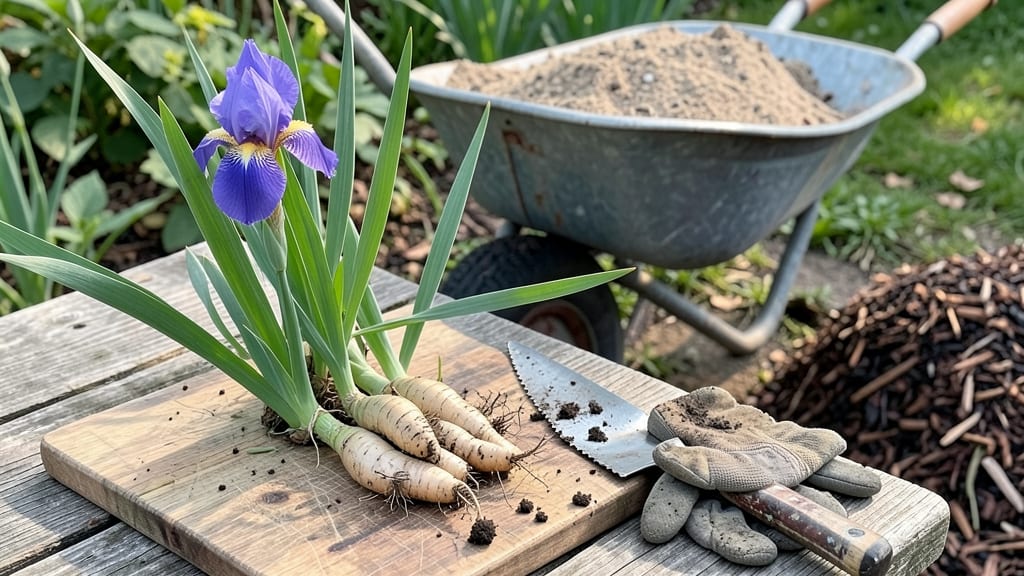
Plant iris bulbs in Missouri between September and October for fall planting or March and April for spring, timing that aligns with the state’s 5b-6b climate zones and ensures vibrant blooms next spring.
Missouri gardeners know timing is everything—especially when planting iris bulbs for vibrant spring blooms. Get it wrong, and you might miss the show entirely. Here’s the exact window for planting in USDA Zones 5-6, plus pro tips to ensure your irises thrive.
Fall planting gives rhizomes a head start, while spring planting avoids winter heaving. Missouri’s unpredictable frost dates—October 15 in the north and April 15 in the south—mean regional adjustments matter. We’ll cover soil prep, depth, and spacing to set your 🌸 irises up for success.
From drainage fixes to fertilizer schedules, you’ll learn how to turn Missouri’s clay soil into an iris paradise. Skip the guesswork and plant with confidence—your garden’s spring highlight is just months away.
Best planting months for iris bulbs in Missouri (zone 5-6 guide)
Missouri’s unpredictable spring weather makes timing critical for iris bulbs. Unlike true bulbs, irises grow from rhizomes, which thrive when planted during two optimal windows: early fall or late winter. Both approaches work in Zones 5-6, but each offers distinct advantages for Missouri gardeners.
Fall planting—typically September through October—gives rhizomes time to establish roots before winter. This method reduces spring planting stress and helps irises bloom stronger the following year. Late winter planting (March-April) aligns with traditional spring schedules but requires careful frost monitoring.
Soil temperature is your best guide: aim for 50-60°F at planting time. In Missouri, this usually means waiting until after the first frost (typically mid-October) for fall planting or 4-6 weeks before last frost (around mid-March) for spring.
| Planting Window | Best Months | Soil Temp | Frost Risk | Missouri Notes |
|---|---|---|---|---|
| Early Fall | September-October | 50-60°F | Low (established roots) | Ideal for Missouri's mild autumns |
| Late Winter | March-April | 50-60°F | Moderate (watch forecasts) | Risk of late freezes in northern MO |
| Avoid | November-February | Below 40°F | High (dormancy issues) | Rhizomes may rot in frozen soil |
For northern Missouri (Zone 5), prioritize fall planting to avoid late spring freezes. Southern Missouri (Zone 6) has more flexibility but should still plant by mid-October to prevent winter stress. My personal rule: never plant after October 15th—this gives rhizomes enough time to root before ground freezes.
Missouri’s heavy clay soils can delay warming in spring. If planting in late winter, test soil temperature with a soil thermometer—wait until it consistently stays above 50°F during the day. In my experience, this often means waiting until mid-to-late March in most of the state.
Pro tip: Mark your calendar for the average last frost date (around April 15th in Missouri). For spring planting, aim to get rhizomes in the ground 4-6 weeks before this date. This timing ensures roots establish before new growth begins, giving your irises a head start on spring blooms.
One common mistake Missouri gardeners make is planting too early in spring when soils are still cold and wet. This creates rot-prone conditions. Instead, pair spring planting with well-draining soil amendments like coarse sand or perlite to prevent waterlogging during Missouri’s unpredictable spring rains.
Remember that iris rhizomes are not true bulbs—they need to be planted shallowly (just below soil level) and with the top slightly exposed. This exposure helps prevent rot from excess moisture, a particular challenge in Missouri’s humid climate.
After planting, water lightly but don’t overwater—irises prefer moderate moisture and can suffer from soggy conditions.
For maximum blooms next spring, choose well-established rhizomes with multiple fan-shaped leaves. These mature rhizomes will bloom within 60-90 days of planting, giving you vibrant spring color that lasts for weeks.
In Missouri’s climate, properly timed planting can mean the difference between a few weak stems and a full garden display.
🌸
How to prepare Missouri soil for iris bulbs (step-by-step)
Missouri’s heavy clay soil and moisture fluctuations can stifle iris growth if not properly amended. Since irises thrive in well-draining, slightly alkaline soil (pH 6.0-7.0), mimicking their Mediterranean roots, your prep work is critical.
Skipping these steps risks rotten rhizomes or stunted blooms—neither of which you want for your spring color show.
Start by testing your soil’s drainage and pH using a simple kit from your local garden center. Missouri’s clay holds water like a sponge, so improving drainage is your first priority. Irises hate soggy feet—literally.
Aim for soil that drains within 2-4 hours after watering. If your soil tests below pH 6.0, you’ll need to raise it slightly, as irises prefer a neutral to mildly alkaline environment.
🌱 Step-by-Step Soil Prep for Missouri Irises
-
1. Test and Amend Clay Soil
Mix in 2-3 inches of compost or sand (50/50 blend) to break up clay. For heavy clay, consider raised beds with gravel at the bottom for extra drainage.
-
2. Adjust pH to 6.0-7.0
Add crushed limestone (1 lb per 10 sq ft) if pH is below 6.0. For acidic soil, work in wood ash sparingly—too much can raise pH too quickly.
-
3. Loosen Soil to 12 Inches Deep
Use a broadfork or tiller to aerate without compacting. Irises need room to spread rhizomes horizontally, so avoid heavy tilling.
-
4. Add Organic Matter
Work in aged compost or leaf mold (1 inch) to improve structure. Avoid fresh manure—it can burn rhizomes and attract pests.
-
5. Create a Slight Mound
Shape soil into a 2-inch-high mound where you’ll plant. This ensures excess water runs off during Missouri’s heavy rains.
-
6. Mulch Lightly (Post-Planting)
Apply 1-inch layer of pine straw or gravel (not wood chips) to retain moisture without suffocating rhizomes. Keep mulch 2 inches away from stems.
Missouri’s spring rains and summer droughts can throw off your iris’s moisture balance. After planting, water deeply once a week (morning only) to encourage strong root growth. Avoid overhead sprinklers—they can spread fungal diseases like iris borer, a common Missouri pest.
Instead, use a soaker hose or drip irrigation to deliver water at the soil level.
One final tip: If your soil is extremely sandy (uncommon in Missouri but possible), mix in 20% compost to retain moisture. Sandy soil drains too quickly, stressing irises during our hot, dry summers. The goal? Replicate the loamy, well-draining conditions of irises’ native habitats.
With these steps, your Missouri iris beds will have the perfect foundation for vibrant blooms year after year. Just remember: drainage > everything for irises, and a little prep now saves hours of headaches later. Happy digging! 🌸