
Plants
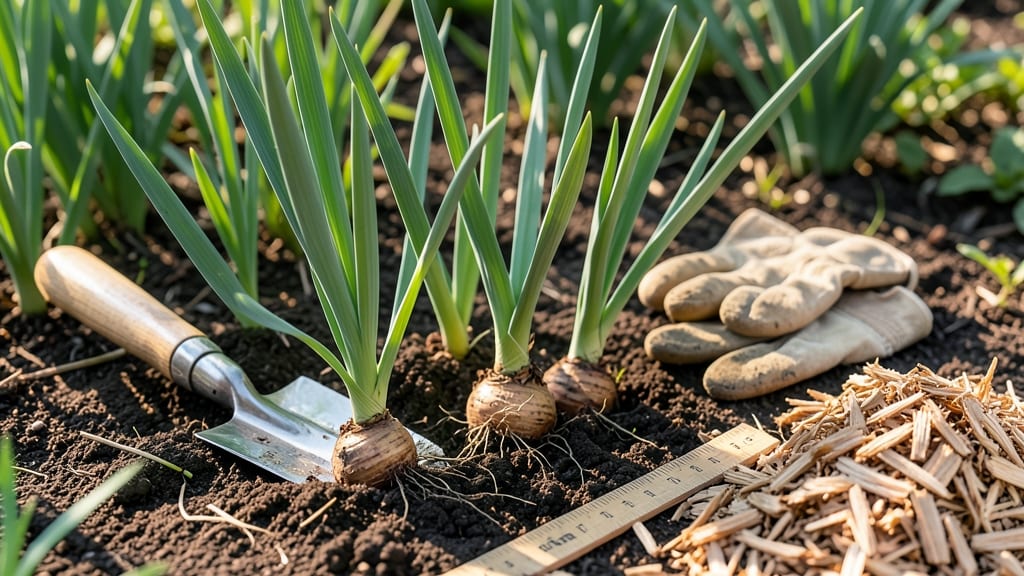
Plant iris bulbs in Tennessee between September and October or early March to April for the most reliable spring blooms 🌸 — timing matters more than you might think.
Tennessee’s mild winters and unpredictable springs can make iris bulb planting tricky—but timing it right ensures vibrant blooms that’ll steal the show every spring.
In USDA Zone 7b, planting in early fall lets the rhizomes establish roots before winter, while spring planting gives them a head start before the heat arrives. I’ve learned the hard way that late fall or early spring planting often means missed blooms.
Below, I’ll walk you through the exact windows for your region, soil prep tips to avoid common mistakes, and how to protect your irises from Tennessee’s late frosts.
Best planting windows for Tennessee iris bulbs in Zone 7b
Tennessee’s USDA Zone 7b climate creates unique challenges for iris bulb planting, thanks to its mild winters and variable frost dates. Unlike northern regions, late frosts can linger into April, while early cold snaps might hit as soon as October.
To ensure your irises thrive, timing is everything—plant too early, and roots may rot; too late, and they won’t establish before winter. The key lies in balancing soil temperatures and moon phases for optimal root growth.
Iris rhizomes (often mistakenly called bulbs) prefer to be planted when soil temps hover between 50°F and 60°F. In Tennessee, this typically falls in September-October for fall planting or March-April for spring.
However, microclimates like Nashville’s urban heat islands or Knoxville’s higher elevations can shift these windows by 2-3 weeks. Always check your local first frost date, which averages mid-October but can vary widely.
Here’s how Tennessee’s two primary regions differ: Nashville’s warmer microclimate often allows for a later fall planting window (through early November), while cooler Knoxville may require planting by mid-October.
Elevation also plays a role—higher areas like the Cumberland Plateau may need to plant 2 weeks earlier to avoid winter stress. Adjusting for these factors ensures your irises establish strong roots before dormancy.
Moon phases can further refine your planting success. Planting during the waxing moon (when the moon is growing) encourages root development, while avoiding the waning moon (shrinking moon) can prevent weak growth. For Tennessee, aim for the waxing gibbous phase in September or the first quarter moon in March for best results. This ancient practice aligns with modern science—moisture retention and root growth are both enhanced during these phases.
| Planting Window | Ideal Soil Temp | Moon Phase | Tennessee Region | Frost Risk |
|---|---|---|---|---|
| Late September | 55°F - 60°F | Waxing Gibbous | Nashville, Memphis | Low (plant by Oct 15) |
| Early October | 50°F - 55°F | First Quarter | Knoxville, Chattanooga | Moderate (plant by Oct 1) |
| Early March | 50°F - 55°F | Waxing Crescent | All Regions | High (late frost risk) |
| Mid-April | 55°F - 60°F | Full Moon | All Regions | Low (post-last frost) |
For fall planting, prioritize September-October to give rhizomes time to establish roots before winter. In Nashville, you might push to early November, but in cooler areas like the Smoky Mountains, aim for mid-September.
Always plant 3-4 inches deep with the top of the rhizome exposed—this prevents rot while allowing sunlight to reach the growth point. Mulch with 2-3 inches of straw after planting to insulate roots during temperature swings.
Spring planting in Tennessee is riskier due to late frosts, but it’s viable if you plant in March and use frost cloth for protection. Wait until soil temps consistently stay above 50°F—test with a soil thermometer to avoid false starts.
If you plant in late March, monitor weather forecasts and cover young shoots with row fabric if a 28°F frost is predicted. This extra layer can mean the difference between thriving blooms and lost rhizomes.
Adjust your planting schedule based on local weather patterns. For example, if your area experienced an early frost in 2022, shift your fall window 2 weeks earlier the following year. Keep a garden journal to track your success—note when you planted, soil temps, and bloom times.
Over time, you’ll refine your timing to match Tennessee’s ever-changing climate. Patience and observation are key to mastering iris planting in Zone 7b.
One often-overlooked factor is soil drainage. Tennessee’s clay-heavy soils can trap moisture, leading to rhizome rot. Amend your planting area with compost and sand to improve drainage before planting.
If your soil stays soggy for more than 48 hours after rain, consider raised beds or mounded soil to elevate the rhizomes. Well-draining soil is non-negotiable for iris health—even the best timing won’t help if roots suffocate in waterlogged conditions.
Finally, remember that iris rhizomes multiply annually. Planting at the right time ensures not only vibrant blooms but also a self-sustaining colony over time. In ideal conditions, your irises will naturalize and spread, creating a stunning spring display with minimal effort.
With the right timing and care, your Tennessee garden will be the envy of the neighborhood—full of bold, colorful blooms that brighten every spring.
How to prepare iris bulbs for Tennessee’s unpredictable spring weather
Tennessee’s clay-heavy soil and late spring frosts can turn iris planting into a gamble—but with the right prep, you’ll get bold, reliable blooms year after year. The key? Choosing the right iris rhizomes (not true bulbs) and amending your soil to prevent winter rot.
Let’s break down the essential steps to set your irises up for success in Zone 7b.
First, decide between bearded irises (classic, hardy varieties like 'Blue Flag') and Siberian irises (delicate, early-blooming types). Bearded irises thrive in Tennessee’s heat, while Siberians need cooler spots. Both prefer well-draining soil—critical for avoiding the root rot that plagues Tennessee gardens after heavy rains.
Now, let’s tackle soil prep. Tennessee’s clay soil can suffocate iris roots, so mix in 2-3 inches of compost or sand to improve drainage. Add a slow-release fertilizer (like 5-10-10) to give your rhizomes a nutrient boost before winter sets in.
🌱 Iris Planting Prep Checklist for Tennessee
- ☑️ Choose rhizomes (not bulbs!) in September-October or March-April
- ☑️ Amend clay soil with compost + sand (1:1 ratio)
- ☑️ Plant rhizomes 3-4 inches deep, tops exposed to sunlight
- ☑️ Space 12 inches apart for airflow (prevents fungal diseases)
- ☑️ Mulch lightly in fall (1 inch), remove in spring
- ☑️ Protect from late frosts with frost cloth if temps drop below 28°F
After planting, water deeply once to settle the soil, then let nature take over—irises hate soggy roots. If you plant in fall, roots will establish before winter, giving you an early start.
For spring planting, water lightly until blooms appear in May-June. The key is patience: irises need time to adjust to Tennessee’s humidity and heat.
Watch for late spring frosts (common in Tennessee’s valleys) by monitoring your local frost date. If frost threatens after planting, cover rhizomes with straw mulch or a lightweight frost blanket.
Remove it as soon as temperatures rise to avoid overheating. With these steps, your irises will thrive despite Tennessee’s weather quirks.
Finally, divide and refresh your iris clumps every 3-4 years to prevent overcrowding. This keeps blooms bold and healthy, even in Tennessee’s heavy clay. Happy planting—your garden’s spring showstopper is just a few inches underground!