
Plants
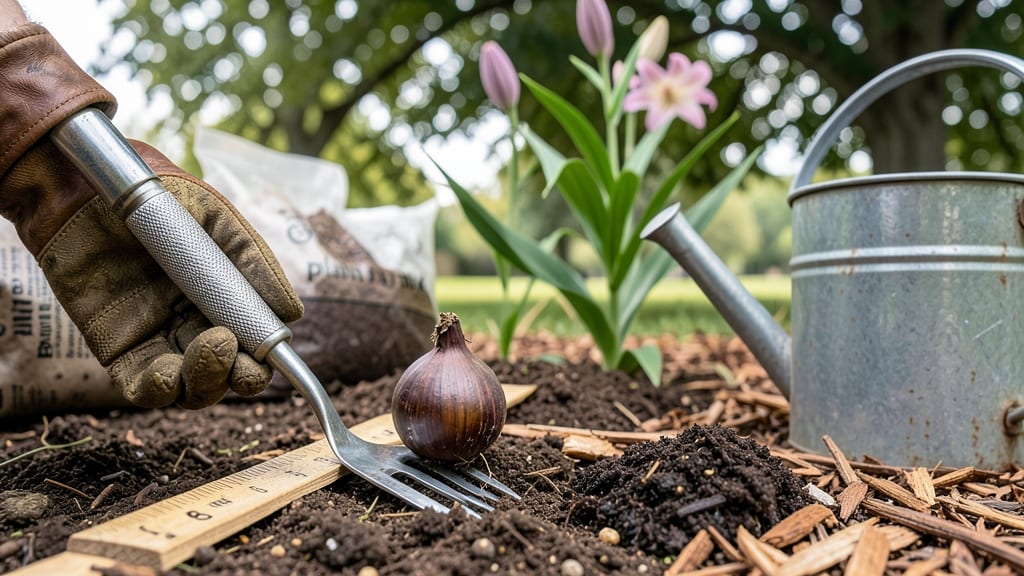
Planting lily bulbs in fall or spring sets the stage for stunning 🌸 blooms the following year—but timing matters more than you think.
Miss the ideal window, and you’ll end up with weak stems or no flowers at all. Whether you’re in USDA Zone 6a or a warmer climate, the frost-date formula I’ve used for years guarantees reliable growth every season.
Most gardeners assume spring planting is the only option, but fall is actually the sweet spot for most regions—especially if you plant 6-8 weeks before the ground freezes. I’ll walk you through the exact steps to time it right, plus regional tweaks for colder or milder areas.
By the end, you’ll know exactly when to dig those bulbs into the soil, how deep to bury them, and what signs to watch for to ensure your lilies thrive.
Lily bulb planting timeline based on your frost dates
Planting lily bulbs at the right time guarantees strong roots before winter and stunning spring blooms. The key is understanding your local frost dates and adjusting your planting schedule accordingly.
Most gardeners focus on fall planting, but spring planting works too—if you follow the 6-week rule before your last frost date. Let’s break down the exact timing for your hardiness zone.
First, locate your first and last frost dates—these are your planting anchors. For example, in Zone 6a, the average first frost occurs around October 15, while the last frost typically arrives by April 15.
Use these dates to calculate your ideal planting windows, whether you’re planting in fall or spring. The earlier you plant, the more time the bulbs have to establish roots before winter.
Here’s the frost-date formula I use for all my lily bulb plantings: subtract 6-8 weeks from your first frost date for fall planting, or plant 4-6 weeks before your last frost date in spring.
This ensures bulbs get the root growth they need before extreme cold or active shoot growth begins.
For gardeners in warmer zones (7-10), fall planting can happen later—even as late as December—because the ground stays warmer longer. In colder zones (3-5), aim to plant bulbs by mid-September to avoid winter stress. Always check your local USDA hardiness zone for precise timing.
Now, let’s compare the best planting windows across zones with this easy reference table:
| Zone | Fall Planting Window | Spring Planting Window | Key Consideration |
|---|---|---|---|
| 3-5 | Mid-August to mid-September | Early April | Plant early to avoid winter freeze damage. |
| 6-7 | September to October | Late March to April | Ideal for both fall and spring planting. |
| 8-10 | October to December | February to March | Later planting works due to milder winters. |
If you’re unsure about your exact frost dates, use the National Weather Service or local extension office resources. For example, in Zone 7b, I plant my Asiatic lilies in early October to give them enough time to root before the ground freezes.
In contrast, my Oriental lilies, which need more time, go into the ground by mid-September.
Spring planting is riskier but can work if you’re in a warmer microclimate or missed the fall window. Plant bulbs 4-6 weeks before your last frost date and keep the soil consistently moist until shoots emerge.
This method is best for tender lily varieties like Stargazer lilies, which struggle in cold winters.
Pro tip: Mark your planting dates on a garden calendar or use a frost date calculator like the one from the Old Farmer’s Almanac. I also recommend testing your soil temperature—ideal planting occurs when soil is 50-60°F.
Use a soil thermometer to avoid planting too early when soil is still warm.
Remember, lily bulbs need 6-8 weeks of root growth before winter or active shoot growth. If you plant too late, bulbs may not establish properly, leading to weak or no blooms the following spring. Always prioritize well-draining soil and a sunny location to maximize success.
With this frost-date formula, you’ll never miss the perfect planting window again. Happy gardening—and enjoy those showstopping lily blooms next spring! 🌸
5 Critical factors that determine lily bulb planting success
Planting lily bulbs at the right time isn't just about avoiding frost—it's about creating the perfect conditions for root establishment and spring blooming. While frost dates are important, factors like soil temperature, bulb maturity, and even the moon phase can make or break your success.
Let's explore these often-overlooked elements that separate thriving lilies from disappointing failures.
Most gardeners focus on planting before the first frost, but soil temperature is the real game-changer. Lily bulbs need soil that's consistently 50-60°F to encourage root growth. If you plant too early when soil is still warm, the bulbs may sprout prematurely and get fried by late-season heat.
Conversely, waiting until soil cools below 50°F can delay root development, leaving your lilies vulnerable to winter stress.
Your local climate patterns play a huge role in timing. In USDA zones 3-6, where winters are harsh, aim to plant 6-8 weeks before the first frost—typically late September to early October.
But in warmer zones (7-10), you can plant as late as November or even December, since the ground stays warmer longer. Always check your average first frost date and adjust accordingly.
Don’t overlook the moon phase—it might sound mystical, but lunar planting has real benefits for lilies. The waxing moon (the period after the new moon and before the full moon) is ideal because its gravitational pull encourages upward growth and stronger root development.
If you plant during a full moon, you might see faster top growth but weaker roots, which can lead to floppy stems and fewer blooms.
Finally, give your lilies a root development window of at least 4-6 weeks before winter sets in. This means if you’re in a region with a short growing season, you’ll need to plant earlier to allow roots to establish.
In contrast, gardeners in longer growing seasons have more flexibility. Always prioritize root health over flower production—healthy roots mean stronger blooms next year.
By paying attention to these five factors, you’ll transform your lily planting from a guessing game into a reliable process that guarantees stunning spring blooms year after year. Happy planting! 🌸