
Plants
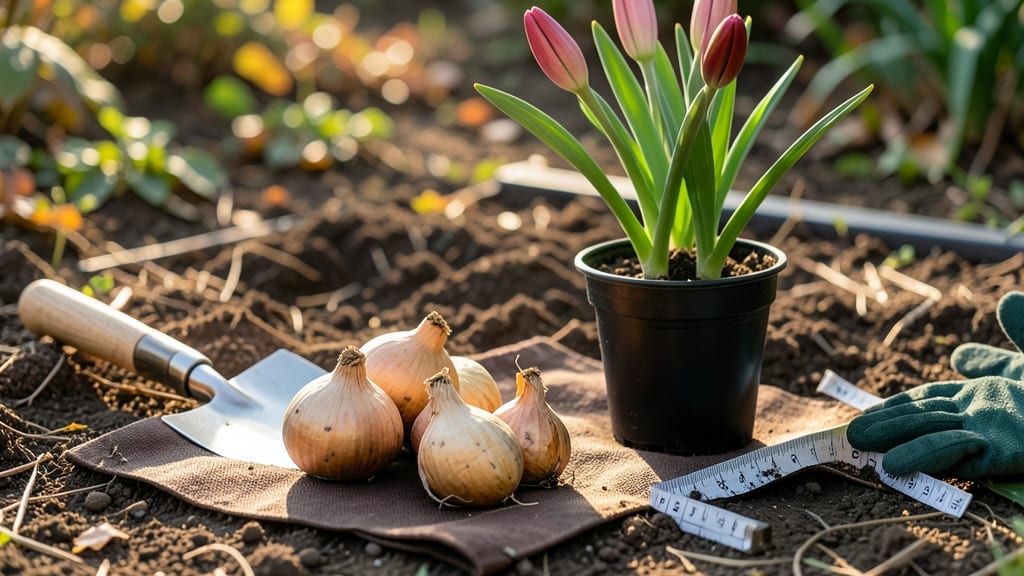
Plant Oriental Lily bulbs about 6 weeks before your first frost—a window that ensures they establish roots before winter sets in 🌸.
If you’ve ever planted these stunning bloomers too early and watched them bolt in the heat, or too late and seen them struggle to root before cold weather, you know timing is everything.
The difference between a thriving patch of fragrant Oriental lilies and a sad, stunted clump often comes down to chill hours and soil temperatures.
In USDA Zone 6a, that means aiming for late summer to early fall, when soil is still warm but nights are cooling.
But zones with milder winters or hotter summers may need adjustments—like planting in early fall instead of late summer—to hit that sweet spot of 400–600 chill hours for reliable blooms.
Below, I’ll break down the exact planting dates by zone, how to prep soil for success, and the 3 key mistakes that keep these beauties from flowering on time. No more guessing—just blooms on schedule.
Oriental lily planting timeline by USDA zone: chill-hours explained
Oriental lilies thrive when planted at the perfect intersection of chill hours and soil temperature. Unlike hardy perennials, these bulbs need 400–600 chill hours (temperatures between 32–45°F) to trigger blooming.
Plant too early, and roots may rot; too late, and flowers arrive late—or not at all. Your USDA zone dictates the ideal window, but local microclimates can shift dates by weeks.
For USDA zones 3–5, aim for late August to early September when soil cools to 60–65°F. In zones 6–9, wait until September–October (soil 55–60°F) to avoid summer heat stress.
The key is planting 6–8 weeks before first frost—enough time for roots to establish but not so early that bulbs sprout prematurely.
Chill hours are your secret weapon. Most oriental lilies need 500+ chill hours to bloom reliably. If you’re in a mild zone (e.g., zone 8–9), choose varieties like 'Stargazer' or 'Casa Blanca', which tolerate 400–500 hours. For colder zones (3–6), 'Black Out' or 'Siberia' handle 600+ hours effortlessly.
In zone 3–4, where winters are harsh, plant bulbs in late August to give roots time to anchor before ground freezes. Use organic mulch (straw or shredded leaves) to insulate bulbs through winter.
For zone 5–6, September is ideal—wait until soil cools to 55°F to prevent premature sprouting, which weakens bulbs.
Zones 7–9 demand patience. Plant in September–October when daytime highs drop below 75°F. If you’re in zone 9, consider fall planting in November to mimic natural dormancy cycles. Pro tip: Soak bulbs in lukewarm water for 24 hours before planting to jumpstart root growth in warmer climates.
Soil temperature is just as critical as chill hours. Use a soil thermometer to confirm readings. Bulbs planted in soil warmer than 65°F may rot, while soil cooler than 50°F stalls root development. Amend heavy clay with compost or perlite to improve drainage—oriental lilies despise soggy conditions.
After planting, water deeply but reduce frequency in winter. In zone 3–5, a 2-inch layer of mulch protects bulbs from freeze-thaw cycles. For zone 6–9, mulch in fall but remove it in early spring to prevent rot.
Remember: first-year blooms are rare—focus on establishing strong roots for next summer’s show-stopping displays.
If you miss the fall window, spring planting is possible in zones 8–9 (March–April), but blooms may be sparse. For best results, stick to the fall timeline and pair bulbs with companion plants like daylilies or ornamental grasses to mask early foliage.
Track your local chill hours using NOAA data or apps like Gardenate. Adjust planting dates if your area had an early frost or unusually warm fall. With the right timing
How to calculate your local chill-hours and adjust planting dates
Timing your oriental lily bulb planting isn't just about picking a month—it's about understanding your local chill-hour accumulation. These bulbs need 400–600 hours below 45°F to bloom reliably.
Without enough chill hours, you'll get strong foliage but delayed—or even missing—flowers. Let's break down how to calculate your exact planting window using free, accessible tools.
Start by checking your USDA hardiness zone (most oriental lilies thrive in zones 3–9). Then, use one of these three methods to find your chill hours: NOAA climate data, local weather station records, or bulb supplier calculators.
I'll walk you through each so you can pick the one that works best for your garden.
- 1 Find your zone: Locate your USDA zone using the USDA Plant Hardiness Zone Map. Note your specific zone (e.g., 6a or 8b).
- 2 Access chill data: Use NOAA Climate Data (climate.gov) or your local Cooperative Extension Service website. Search for "chill hours" + your city.
- 3 Check supplier tools: Websites like Bare Root Bulbs or John Scheepers Bulbs offer chill-hour calculators. Enter your zip code for instant results.
- 4 Adjust planting dates: If your chill hours are below 400, plant 6–8 weeks earlier (e.g., late August instead of September). If above 600, delay by 2–4 weeks.
- 5 Verify soil temps: Use a soil thermometer to confirm temps are below 60°F at planting time. Cold soil speeds root establishment.
For example, if you're in Zone 7b with only 350 chill hours by October, plant your bulbs in mid-August instead of waiting for September. This gives roots time to establish before winter. Conversely, in Zone 5a with 700+ chill hours, delay planting until late September to avoid premature sprouting.
Don't forget to account for microclimates in your garden. A north-facing bed stays cooler longer, while a south-facing area warms up faster. If your yard has varied exposures, test soil temps in multiple spots before committing to a planting date.
A $10 soil thermometer from your local garden center will save you from costly mistakes.
Once you've calculated your chill hours, mark your calendar for 6 weeks before your first frost date. This is your target planting window. For oriental lilies, aim to plant when daytime temps are 70–75°F but nighttime temps drop below 60°F.
This balance ensures bulbs won't sprout too early and rot in warm soil.
Pro tip: Keep a gardening journal to track chill hours year after year. Note when your lilies bloom and adjust future planting dates accordingly. Over time, you'll develop a custom schedule tailored to your unique microclimate—leading to reliable, show-stopping blooms every season. 🌸