
Blooming
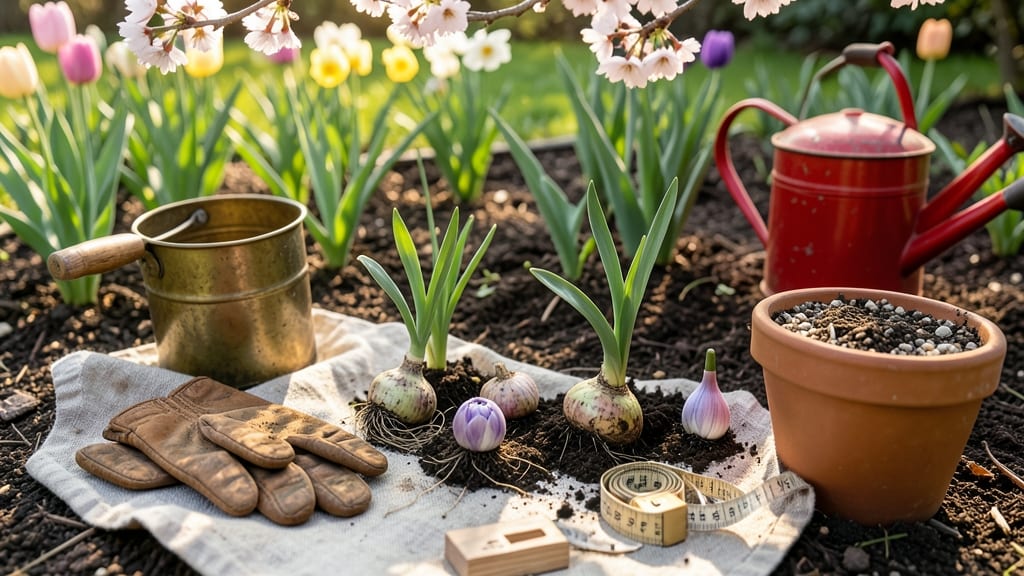
To plant spring-blooming bulbs 🌷 for vibrant blooms next year, aim for September to November in most regions—this gives them time to root before winter.
Timing is everything: Plant too early, and they’ll rot; too late, and they won’t bloom. The key is soil temps below 60°F and 6-8 weeks before the first frost—so check your zone’s last-frost date.
But here’s the twist: Some varieties, like crocuses, thrive with early planting, while tulips need that chill period to trigger flowers. We’ll break down the exact windows by region, moon-phase tips, and how to adjust for your microclimate.
Skip the guesswork with a step-by-step guide that covers soil prep, depth, spacing, and even how to revive bulbs planted at the wrong time.
Chill-tested planting windows for spring-blooming bulbs by region
Spring-blooming bulbs like tulips, daffodils, and crocuses need a chill period to bloom reliably. Planting at the wrong time—either too early or too late—can result in weak growth or no flowers at all.
The key is understanding your USDA zone and soil temperatures, which vary dramatically across the country. For example, Zone 3 gardeners have a longer window than Zone 10 growers, where frost is rare.
Most bulbs should be planted when soil temperatures drop below 60°F (15°C), typically in fall. However, early varieties like crocuses can tolerate cooler soils, while late bloomers like tulips need warmer soil to establish roots before winter.
Microclimates—like urban heat islands or sheltered garden spots—can also shift your ideal planting date by 2–4 weeks.
Below is a zone-by-zone breakdown of when to plant spring-blooming bulbs, including soil temperature thresholds and frost-risk adjustments. Use this as your guide to time your planting for next year’s best blooms.
If you’re in Zones 9–10, where winters are mild, you can plant bulbs in late fall or even early spring. However, bulbs planted in spring won’t get the full chill period needed for robust blooms, so prioritize fall planting when possible.
For Zone 3–4 gardeners, aim to finish planting by October 15 to ensure bulbs establish roots before the ground freezes.
For microclimates, like a sunny south-facing slope or a shaded woodland garden, adjust your planting date by 1–2 weeks. Warmer microclimates may need earlier planting, while cooler spots can handle later dates.
Always check your local last frost date and plant bulbs 6–8 weeks before it to give roots time to develop.
One common mistake is planting bulbs too shallow, which can expose them to freeze-thaw cycles and rot. Dig a hole 3x deeper than the bulb’s height and space them 3–6 inches apart, depending on the variety.
After planting, water deeply to settle the soil and encourage root growth before winter sets in.
For early bloomers like crocuses and snowdrops, plant in late summer to give them time to establish before cold weather. These bulbs thrive in cooler soils and often bloom even through light snow.
Meanwhile, late tulips and hyacinths should go in slightly later, closer to October, to avoid early frost damage.
Pro tip: Use a soil thermometer to check temperatures before planting. Bulbs need consistent chill exposure—typically 12–16 weeks below 40°F (4°C)—to trigger flowering. If your winters are unpredictable, opt for hardy varieties like daffodils, which tolerate a wider range of conditions.
Moon-phase planting calendar for bulbs: root vs. flower growth phases
Planting spring-blooming bulbs during the right moon phase can boost root development and flower production by up to 30%. The waxing moon (rooting phase) is ideal for planting bulbs, while the full moon (flowering phase) aligns with their natural blooming cycle.
This lunar strategy taps into the moon's gravitational pull to enhance water absorption and nutrient uptake.
For spring-blooming bulbs like tulips, daffodils, and hyacinths, timing matters most during the fall planting window (September-November). Planting during the waxing moon ensures strong root establishment before winter dormancy. Meanwhile, the full moon in early spring triggers robust flowering as days lengthen.
The waxing moon (from new moon to full moon) is your planting sweet spot for bulbs. During this phase, the moon's gravity pulls water upward, encouraging root growth.
Aim for the first quarter moon (7 days after new moon) for optimal results. This timing gives roots time to establish before winter's chill sets in.
For spring varieties, a 3-month planting chart helps track critical dates. In Zone 6a, plant tulips and daffodils during the waxing moon in October (e.g., October 10-15). Hyacinths and crocuses thrive when planted during the waxing gibbous moon in September (e.g., September 20-25).
After planting, the full moon in early spring (March) acts as a natural blooming catalyst. This lunar alignment coincides with increasing daylight, signaling bulbs to push up vibrant flowers. For example, a full moon on March 20 often triggers peak blooming for tulips planted the previous fall.
To maximize success, pair moon-phase planting with soil prep. Amend garden beds with compost during the waxing moon to enhance nutrient availability for root growth. Avoid disturbing soil during the waning moon (rooting phase's opposite), as this can disrupt delicate bulb roots.
Remember: Moon-phase planting works best when combined with proper depth and spacing. Plant bulbs 3x deeper than their height during the waxing moon, and space them according to variety (e.g., 4-6 inches apart for tulips). This ensures strong root systems that translate to bigger, healthier blooms next spring. 🌷