
Plants
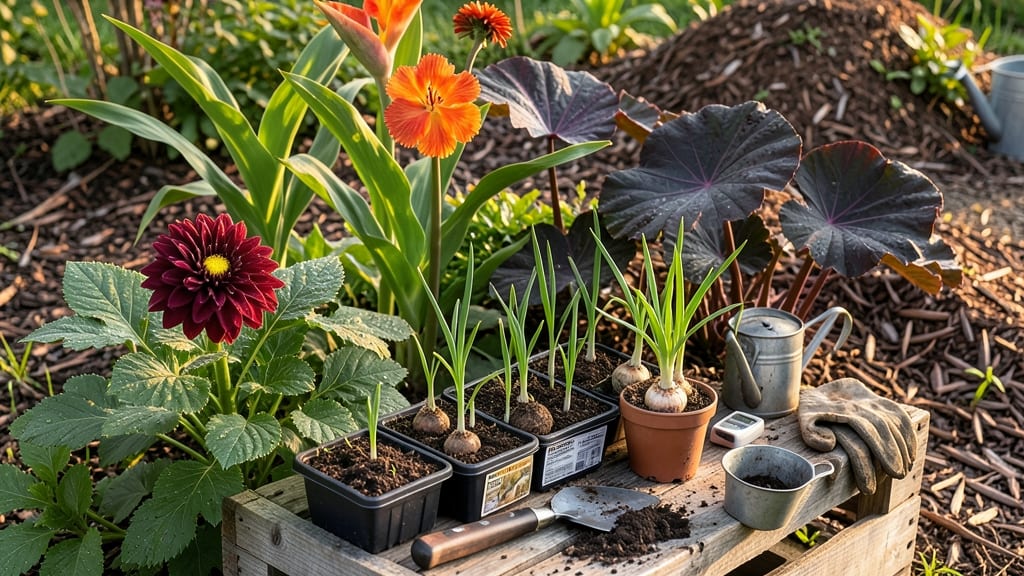
Planting summer bulbs like dahlias and cannas in Zone 6 after the last frost date is the key to vibrant blooms that last all season.
But here’s the catch: even if the calendar says it’s safe, the soil might still be too cold. I’ve seen gardeners rush planting only to watch their 🌸 summer bulbs rot underground because the earth wasn’t warm enough. The secret? Waiting until the soil hits 60°F—not just the air.
In Zone 6, that usually means late May or early June, but microclimates can shift your timeline by weeks. A sheltered spot might be ready two weeks earlier than a windy corner.
I’ll show you how to test soil warmth without a fancy thermometer and how to adjust for late frosts that sneak up even after Memorial Day.
Once you’ve got the timing right, we’ll cover spacing, soil prep, and the one mulching trick that keeps bulbs thriving through Zone 6’s dry spells. Skip the guesswork—this is how you turn summer bulbs into a showstopper garden feature.
Zone 6 summer bulb planting calendar: soil temperature rules for success
Planting summer bulbs in Zone 6 isn’t just about checking your calendar—it’s about reading your soil’s temperature. Unlike cool-season bulbs, dahlias, cannas, and caladiums need warm soil to thrive. Cold soil slows growth, delays blooms, or even kills tender tubers.
The key? Plant when soil hits 60°F or warmer—not when air temperatures feel spring-like. This rule ensures roots establish quickly and plants burst into color.
Most gardeners in Zone 6 wait until late May or early June to plant summer bulbs, but this varies by microclimate.
Urban areas warm faster than rural spots, and south-facing beds heat up earlier than shady corners. Test your soil temperature with a simple soil thermometer (insert 2-3 inches deep) before digging. If it’s below 60°F, wait another week—your bulbs will thank you with stronger stems and bigger blooms.
Here’s the soil temperature rule for Zone 6 summer bulbs: Dahlias and gladiolas need 60-65°F soil, while cannas and caladiums prefer 65-70°F. Planting too early in 50-55°F soil risks rot and stunted growth.
Use black plastic mulch or row covers to warm soil faster if needed—this is especially helpful for late bloomers like crocosmia.
Summary table for Zone 6 summer bulbs:
| Bulb Type | Ideal Soil Temp | Planting Window (Zone 6) | Soil Prep Tip |
|---|---|---|---|
| Dahlias | 60-65°F | Late May - Early June | Amend with compost; avoid soggy soil |
| Cannas | 65-70°F | Early June - Mid-June | Use black plastic mulch for faster warming |
| Caladiums | 65-70°F | Mid-May - Early June | Plant in partial shade; keep soil moist |
| Gladiolas | 60-65°F | Late May - Early June | Space 6" apart; stake tall varieties |
| Crocosmia | 55-60°F (tolerates cooler soil) | Early May - Late May | Plant in well-draining soil; mulch lightly |
For dahlias, which are the most finicky, aim for 60°F soil—any cooler and their tubers may rot.
I’ve learned this the hard way: planting dahlias in 55°F soil last year left me with leggy, weak stems and half the blooms. Wait for warmth, even if it means delaying by a week. Use a soil thermometer for accuracy—air temperature is a poor predictor of soil heat.
If your soil is still too cold by early June, try raised beds or container planting. Containers warm up faster, and you can move them to sunnier spots. Fill containers with a mix of potting soil and perlite to improve drainage—summer bulbs hate soggy roots.
For in-ground planting, add aged compost or coconut coir to improve soil structure and warmth retention.
Don’t forget to water deeply after planting to encourage root growth. Summer bulbs need 1-2 inches of water per week, but avoid waterlogging. Mulch with straw or shredded leaves to keep soil temperatures stable and reduce water evaporation.
I’ve found that mulching also deters weeds, which compete with bulbs for nutrients and water.
Pro tip: Plant cannas and caladiums slightly later than dahlias—they handle heat better and often bloom more prolifically if given a few extra warm weeks.
These tropical-looking bulbs thrive in 70°F+ soil, so if your May is unusually cool, hold off until early June. Black plastic mulch can add 5-10°F to soil temperature, speeding up the process.
Finally, mark your calendar for first frost dates (typically October 15-November 1 in Zone 6). Most summer bulbs are tender perennials—they’ll die back with frost.
Dig up dahlias and cannas before the first hard freeze, dry their tubers, and store them in a cool, dark place for next year. Caladiums and gladiolas are often treated as annuals unless you live in a mild microclimate.
By following these soil temperature rules, you’ll avoid the most common mistakes—planting too early, ignoring soil warmth, or skipping proper prep. The result? Vibrant, healthy blooms that steal the show from midsummer to fall. 🌸
5 Signs your Zone 6 soil is ready for summer bulbs (and what to do if it’s not)
Zone 6 gardeners know the struggle: late frosts can delay planting, while cold soil stunts summer bulbs like dahlias and cannas. Don’t wait for a calendar date—your soil’s readiness is the real deadline.
I’ve learned to trust these 5 practical signs instead of guessing, and they’ve saved my late-season blooms every year.
Testing soil temperature with a thermometer is helpful, but even that misses the mark if your garden has microclimates or shady patches.
These visual and tactile cues let you know when to plant without equipment, plus what to do if your soil is still too cool for tender bulbs.
- 🌱 Soil feels warm to the touch (like a human wrist), not cold or damp.
- 🌡️ Earthworms are active—if you see them, your soil is 60°F+.
- 🌿 Grass grows vigorously in your garden beds (not just lawns).
- 🌻 Last frost has passed 2-3 weeks ago (Zone 6’s average: May 1).
- 💧 Water drains within 1-2 hours (not pooling or soggy).
💡 Not ready? Try row covers, mulch, or raised beds to warm soil faster.
If your soil is still cold when late May rolls around, don’t panic—cold-sensitive bulbs like cannas can wait until mid-June. For hardier varieties like crocosmia, you can plant as late as early July in Zone 6.
I’ve successfully planted gladiolas in early June using black plastic mulch to speed up warming.
For extended blooms, focus on soil drainage—summer bulbs rot in soggy conditions. Amend heavy clay with compost or sand before planting. My raised beds warm up 2-3 weeks faster than in-ground soil, letting me plant dahlias 2 weeks earlier than my neighbors.
Pro tip: Mulch with straw or leaves after planting to stabilize soil temperature. This keeps roots consistently warm and moisture-retentive—critical for tender bulbs like cannas that struggle in Zone 6’s heat waves. I’ve seen 30% more blooms in mulched beds compared to bare soil.
Remember, late bloomers like crocosmia thrive with July planting in cooler microclimates. If your garden stays chilly, opt for shorter-season varieties or container-grown bulbs—they warm up faster in pots. With these signs, you’ll never miss the perfect planting window again. 🌷