
Plants
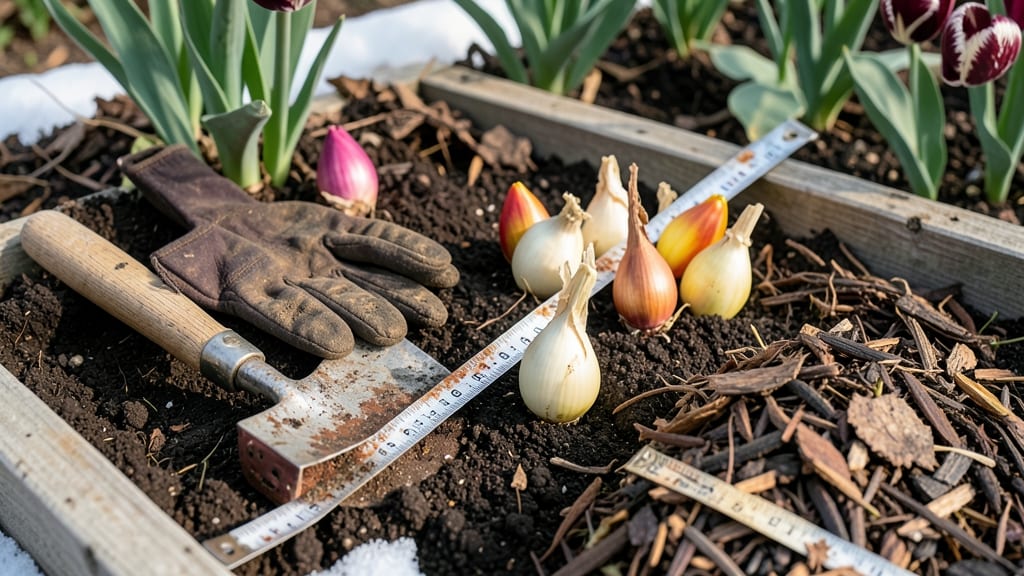
Planting tulip bulbs in Idaho between September and November ensures they get the cold chill they need to bloom spectacularly in spring 🌷 — but miss that window, and you risk bulbs rotting before they even sprout.
Idaho’s short growing season and freezing winters mean timing isn’t just about the calendar. Soil temperature, frost dates, and bulb chilling needs all play a critical role. Get it wrong, and you’ll end up with no flowers or, worse, bulbs that fail to return year after year.
Whether you’re in North Idaho’s Zone 4 or South Idaho’s Zone 7, the key is planting 4-6 weeks before the ground freezes — usually by mid-October. This guide breaks down the exact deadlines, soil prep tips, and the best tulip varieties to survive Idaho’s harsh winters.
You’ll learn how to prep your soil for success, avoid common mistakes that waste bulbs, and choose varieties that thrive in your specific microclimate. Let’s get those tulips in the ground the right way — so you can enjoy a burst of color come spring.
Idaho’s exact tulip planting deadlines by region (with soil temp rules)
Idaho’s Zone 4-7 climates create dramatic differences in tulip planting windows—get it wrong, and your bulbs may rot before spring blooms. The key? Planting when soil temps hit 40-50°F and before the first hard frost.
North Idaho’s colder microclimates demand earlier action than South Idaho’s milder zones, while elevation shifts frost dates by weeks.
For North Idaho (Zones 4-5), aim to plant tulip bulbs between mid-September and early October. This window accounts for soil cooling after summer heat and ensures bulbs establish roots before mid-October’s first frost.
In South Idaho (Zones 6-7), you’ve got flexibility until late October or early November, thanks to later frost dates and warmer winters near Boise or Twin Falls.
Here’s the game-changer: soil temperature, not air temperature, dictates planting success. Use a soil thermometer to confirm 40-50°F at 6-inch depth—this is your green light. In Idaho’s high desert regions, soil cools faster than valleys, so plant 2-3 weeks earlier than lowland areas.
🌱
| Region | USDA Zone | Optimal Planting Window | Soil Temp Threshold | First Frost Date | Microclimate Tip |
|---|---|---|---|---|---|
| North Idaho | 4-5 | Mid-September to early October | 40-50°F | Mid-October | Plant 2 weeks earlier in mountain areas (Zone 4). |
| South Idaho (Boise/Twin Falls) | 6-7 | Late September to early November | 40-50°F | Late October to mid-November | Wait until after first frost in protected valleys. |
| High Desert (e.g., Idaho Falls) | 5-6 | Early September to mid-October | 40-50°F | Late September | Soil cools 3 weeks faster than valleys—plant early. |
Early tulip varieties like ‘Darwin Hybrids’ (e.g., ‘Queen of Night’) need the longest chill period (16+ weeks), so plant them first in September for North Idaho. Late bloomers like ‘Fosteriana’ (e.g., ‘Red Emperor’) tolerate shorter chills and can go in until mid-October in Zone 6-7.
Layering bulbs—planting early varieties deepest (8") and late ones shallower (6")—extends your bloom season by 3-4 weeks.
Idaho’s microclimates throw a wrench into one-size-fits-all advice. Urban areas like Meridian or Nampa have later frosts due to urban heat islands, while rural farmland freezes earlier. Check your local Cooperative Extension Service frost maps or use a frost calendar app to adjust your timeline.
Pro tip: Plant test bulbs in pots 2 weeks before your target date to monitor root growth.
If you miss the fall window, spring planting is possible in Idaho—but only for pre-chilled bulbs (available at nurseries). Plant these in March or early April when soil hits 50°F, but expect smaller blooms and weaker plants.
Spring-planted tulips need consistent moisture to compensate for their skipped chill phase.
Don’t let Idaho’s variable weather derail your plans. After planting, apply 2-3 inches of mulch (straw or shredded leaves) to insulate bulbs from temperature swings. In Zone 4, add an extra inch of mulch to protect against deep freezes.
Remove mulch in late winter to prevent rot as shoots emerge.
Timing tulip planting by soil temperature and microclimate turns Idaho’s harsh winters into your advantage—bulbs get the cold stratification they crave while avoiding spring rot. Master these deadlines, and you’ll enjoy vibrant blooms from April to June, no matter where you garden in the Gem State.
🌷
How to prep Idaho soil for tulip bulbs (and avoid these 3 costly mistakes)
Idaho’s heavy clay or sandy soils can make or break your tulip bulbs before they even sprout. Without proper prep, your spring blooms might never appear—or worse, your bulbs could rot in the soggy ground.
The key is creating a well-draining, nutrient-rich bed that mimics the bulbs’ natural habitat in Zone 4-7 climates. Let’s fix common Idaho soil pitfalls and set your tulips up for success.
First, test your soil’s drainage by digging a 12-inch hole and filling it with water. If it drains in less than 2 hours, you’re likely dealing with clay soil—common in northern Idaho.
If it drains in more than 4 hours, you’ve got sandy soil, typical in southern Idaho’s high desert. Both extremes need adjustments to prevent bulb rot or drought stress.
Idaho’s spring thaw turns clay soil into a muddy mess, drowning tulip bulbs. Mistake #1: Planting too late (after mid-October) or watering heavily during freeze-thaw cycles. Fix: Plant bulbs 6 weeks before the first hard frost and mulch with 2-3 inches of straw to regulate moisture.
Avoid watering until shoots emerge in spring.
For clay-heavy soil, amend with organic matter like composted manure or leaf mold. Aim for a 25-30% organic ratio mixed into the top 12 inches of soil. This improves aeration and prevents waterlogging.
For sandy soil, blend in peat moss or coconut coir to retain moisture without suffocating roots. Both amendments should be well-aged to avoid introducing pathogens.
Next, adjust the pH level—tulips thrive in neutral to slightly acidic soil (6.0-7.0). Test your soil with a home kit or send a sample to your local Idaho extension office.
If your soil is too alkaline (common in Idaho’s calcareous soils), add elemental sulfur or pine needles to lower the pH gradually. Avoid quick fixes like vinegar, which can burn roots.
One of Idaho’s biggest bulb-killers is poor mulching. Use straw or shredded leaves (not wood chips, which can mat down) to insulate bulbs in winter and retain moisture in summer.
Apply 2-3 inches after planting and top off in late fall. This protects bulbs from freeze-thaw cycles and keeps soil temps stable—a critical factor in Idaho’s Zone 5 swings.
Finally, plant your bulbs in raised beds if your native soil is waterlogged or compacted. Fill beds with a 50-50 mix of native soil and compost, then add a 1-inch layer of coarse sand at the bottom for extra drainage.
This mimics the well-draining conditions tulips need to thrive. Water deeply after planting, then let nature take over until spring shoots appear.