
Plants
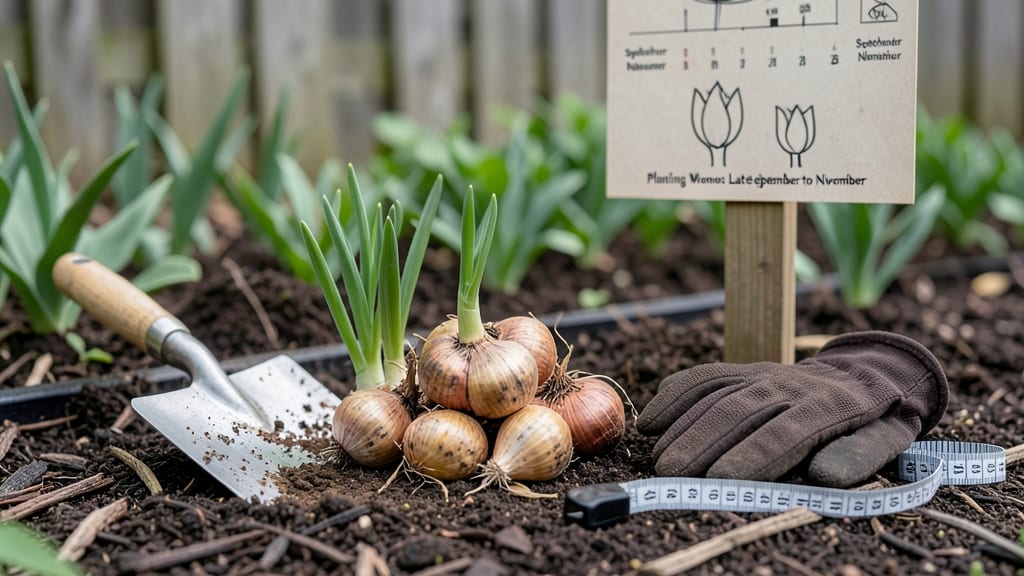
Planting tulip bulbs in Maryland between October and December is the key to stunning spring blooms 🌷 — but timing matters more than you’d think.
Maryland gardeners know timing is everything—plant tulip bulbs too early, and they’ll rot; too late, and you’ll miss the chill hours they need to bloom spectacularly next spring. The ideal window is October through mid-November, when soil temps drop below 60°F and frost is just around the corner.
Why does this matter? Tulips need 300–500 chill hours to trigger blooming, and Maryland’s Zone 6B climate delivers that perfectly in fall. Planting too early risks rot, while waiting too long means bulbs won’t get enough cold exposure.
In this guide, I’ll break down the exact planting schedule, soil prep tips, and how to protect your bulbs from Maryland’s unpredictable winter weather. Let’s get those vibrant blooms growing!
Maryland’s ideal tulip planting window: chill-hours breakdown for zone 6B
Maryland’s Zone 6B climate creates a unique window for planting tulip bulbs—one that balances chill hours and soil temperature to ensure stunning spring blooms. Unlike warmer zones, Maryland’s 300–500 chill hours between 32°F and 45°F trigger tulips to bloom, but planting too early or late disrupts this critical process.
The ideal planting window for Maryland spans October through mid-November, aligning with when soil temperatures drop below 60°F but before the ground freezes. This timing prevents premature sprouting while ensuring bulbs get enough cold to break dormancy.
Missing this window risks bulbs rotting in warm soil or failing to bloom.
Soil temperature is just as critical as air temperature. Tulip bulbs need cool but unfrozen soil—typically between 40°F and 50°F—to establish roots without sprouting. In Maryland, this usually happens by mid-October, but early frosts can push the deadline to early November.
Chill hours are the secret to tulip success. Most varieties need 300–500 hours below 45°F to flower. Maryland’s climate naturally provides this, but planting too late (after November 15) may leave bulbs exposed to freezing soil, stunting growth. Early planting (before October 1) can cause bulbs to rot in warm, moist soil.
Maryland’s first frost typically arrives around November 15, but early frosts can occur as early as October 30. This is your final deadline for planting tulip bulbs.
If you miss it, wait until early December when soil is frozen, but this risks poor root establishment. For best results, aim to plant by mid-November.
Not all tulip varieties need the same chill hours. Darwin hybrids and fosteriana tulips thrive with 300–400 hours, while parrot tulips may need up to 500 hours.
Maryland’s climate naturally meets these needs, but planting too late can leave bulbs under-chilled, resulting in weak or no blooms next spring.
Soil preparation is key. Maryland’s clay-heavy soils drain poorly, which can cause bulb rot. Amend with compost or sand to improve drainage, and plant bulbs 6–8 inches deep in well-draining soil. Space them 4–6 inches apart to allow airflow and reduce
How to adjust planting dates for early vs. late bloomers in Maryland
Maryland’s Zone 6B climate demands precision when planting tulips, especially since early bloomers like Darwin hybrids need different timing than late varieties like fritillaria or parrot tulips. Early bloomers thrive when planted in October, while late bloomers can handle November plantings.
The key is ensuring bulbs get 4-6 weeks before the ground freezes to establish roots.
Soil preparation is critical—Maryland’s clay-heavy soil needs amendments like compost or sand to improve drainage. Aim for 6-8 inches deep planting and 4-6 inches apart spacing. Early bloomers benefit from earlier soil warming, while late bloomers tolerate cooler soils longer.
| Tulip Type | Planting Window | Soil Prep | Depth | Spacing | Bloom Time |
|---|---|---|---|---|---|
| Darwin Hybrids (Early) | Mid-October | Compost + sand | 6-8 inches | 4-6 inches | Early April |
| Fritillaria (Late) | Late October | Well-draining mix | 6-8 inches | 5-7 inches | Mid-May |
| Parrot Tulips (Late) | Early November | Loose, sandy soil | 6-8 inches | 6 inches | Late April |
For Darwin hybrids, plant in mid-October to ensure they get 300+ chill hours before spring. These varieties bloom earliest, often in early April, making them perfect for spring color. Use well-amended soil to prevent rot in Maryland’s moist winters.
Late bloomers like fritillaria and parrot tulips can wait until late October or November, as they require longer chill periods (up to 500 hours). Their larger blooms need extra space—6 inches apart—to avoid overcrowding. Mulch heavily after planting to protect from Maryland’s fluctuating winter temps.
Pro tip: Test your soil’s drainage by digging a hole and filling it with water. If it drains in under 2 hours, it’s ready. If not, mix in perlite or compost to improve airflow. Well-draining soil is non-negotiable for tulip health in Maryland’s clay-heavy regions.
Adjust your schedule based on local frost dates. If your area freezes earlier than mid-November, plant Darwin hybrids by October 1st and late bloomers by October 15th. Always plant 6-8 weeks before the first frost to avoid bulb rot.