
Plants
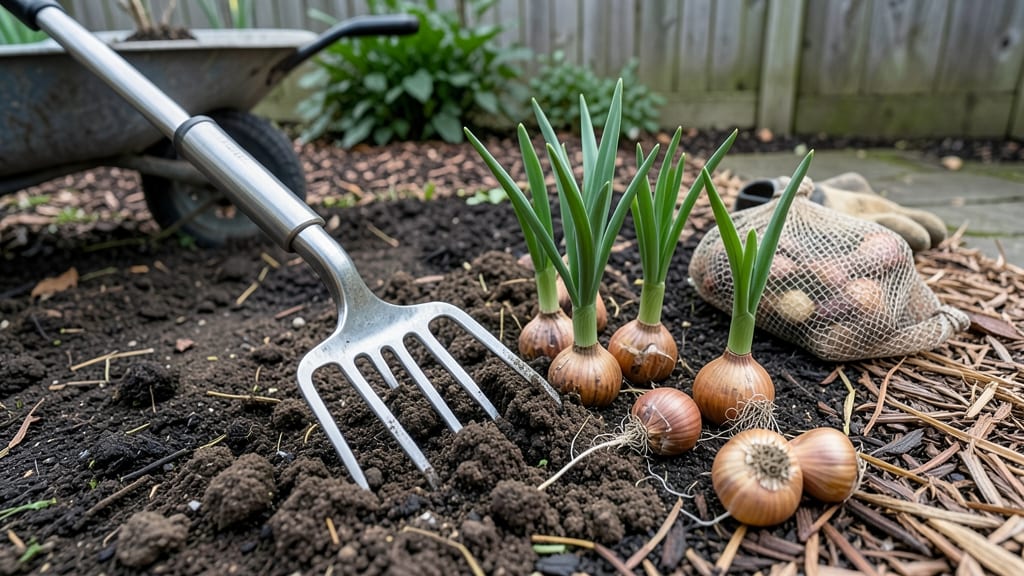
Planting tulip bulbs in New Zealand during autumn’s mild months ensures they root before winter’s chill sets in 🌷—and the difference between a thriving spring display and a failed attempt often comes down to timing.
If you’ve ever dreamed of waking up to vibrant tulips blooming in your garden, timing is everything—plant too early, and they’ll rot; too late, and you’ll miss spring’s show.
But don’t worry: mastering the perfect autumn window (March to May) guarantees stunning results every year, whether you’re in sunny Auckland or cooler Christchurch.
New Zealand’s varied climate zones mean the ideal planting window shifts slightly: North Island gardeners should aim for early April, while South Island growers have until late May to get bulbs in the ground.
The key is soil temperature—wait until it drops to around 10°C (50°F) to avoid rot, but don’t delay past frost risk.
Below, I’ll break down the exact months for your region, how to prep soil for drainage and depth, and the one mistake that kills more tulip bulbs in NZ than anything else. Let’s get those blooms off to the right start!
Best months to plant tulip bulbs in New Zealand’s climate zones
New Zealand’s unique climate means tulip bulbs thrive best when planted at the right time—too early, and they’ll rot in warm soil; too late, and they won’t establish roots before winter. The ideal window is autumn, but exact timing varies between the North Island (warmer) and South Island (cooler).
Let’s break it down by region to ensure your tulips bloom beautifully next spring.
For most of New Zealand, March through May is the sweet spot. This aligns with soil temperatures dropping to 10-15°C (50-59°F), perfect for root growth before winter dormancy.
However, gardeners in Christchurch or Dunedin should plant slightly earlier (late February to April) due to cooler soils, while those in Auckland or Wellington can extend planting until early June if conditions allow.
Soil temperature is your best guide: aim for 10°C or lower at a depth of 10cm (4 inches). Use a soil thermometer to check—if it’s warmer, wait a few weeks. This ensures bulbs establish roots without rotting, a common issue in New Zealand’s damp climate.
Frost risk also plays a role. In the South Island, first frosts can arrive as early as mid-July, so plant bulbs by late May to give roots time to anchor. Meanwhile, the North Island typically sees frosts in August, giving you a slightly longer window to plant.
Here’s a quick comparison to help you decide based on your location:
If you’re unsure about your local frost dates, check with your local weather service or plant 4–6 weeks before the average first frost. This gives bulbs enough time to root deeply before winter sets in.
For example, in Wellington, aim for mid-April, while Dunedin gardeners should plant by early April.
Pro tip: Choose hardy tulip varieties like ‘Darwin Hybrid’ or ‘Fosteriana’ for New Zealand’s climate—they tolerate cooler soils better than delicate Dutch varieties. Plant bulbs 6 inches deep and 4–6 inches apart in well-draining soil to prevent rot, a common issue in NZ’s wetter regions.
After planting, mulch with straw or pine needles to insulate bulbs from temperature swings. This is especially important in cooler South Island gardens, where sudden frost can damage emerging shoots. Remove mulch in late winter to allow sunlight to encourage blooming.
Remember, tulips need 6+ hours of sunlight daily to bloom well. If your garden is shady, consider container planting near a sunny wall or balcony. With the right timing and care, your tulips will reward you with vibrant spring blooms that brighten up any NZ garden.
🌷
How to prepare tulip bulbs for autumn planting in NZ gardens
Preparing your garden for tulip bulbs in autumn is the secret to vibrant spring blooms. New Zealand’s mild winters create perfect conditions, but proper soil prep and bulb selection are key.
Start by choosing hardy tulip varieties like Darwin Hybrids or Fosteriana, which thrive in our climate. These varieties handle NZ’s cooler winters better than delicate species.
Before planting, focus on well-draining soil—tulips hate soggy roots. Test your soil’s pH; aim for a neutral to slightly acidic range (6.0–7.0). If your garden soil is heavy clay, mix in organic matter like compost or coarse sand to improve drainage.
This step prevents bulb rot, a common issue in waterlogged NZ gardens.
Once planted, avoid disturbing the soil until spring. Tulip bulbs need 6–8 weeks of cold dormancy to bloom properly, so resist the urge to check on them. In North Island gardens, you’ll see shoots as early as August, while South Island gardeners may wait until September.
After blooming, let the foliage die back naturally—this feeds the bulb for next year’s flowers. In NZ’s humid climate, watch for slug damage or fungal issues.
A light application of diatomaceous earth can deter pests without harming your garden. With these steps, your tulips will reward you with bold, healthy blooms every spring.
Pro tip: Mark your planting spots with biodegradable labels to avoid accidentally digging up bulbs when weeding. Happy planting—your future spring garden will thank you! 🌷