
Plants
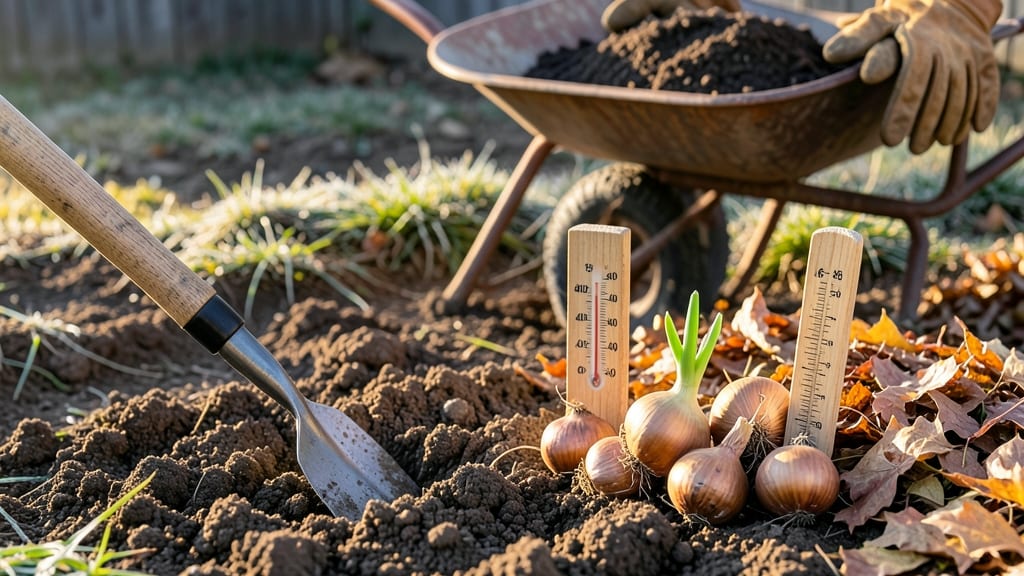
Planting tulip bulbs in Wisconsin between October and November ensures they establish roots before the ground freezes, setting the stage for stunning spring blooms 🌷.
Wisconsin gardeners know timing is everything—plant tulip bulbs too early, and they’ll rot in cold soil; too late, and they’ll miss the frost window. But with Wisconsin’s unpredictable USDA Zones 5 and 6, how do you nail the perfect planting window?
Most gardeners in Wisconsin aim for 6 weeks before the first frost, which typically lands in mid-October for southern areas like Milwaukee and early November in colder zones like Madison. The key is soil temperature: bulbs need the ground to cool to 40–50°F before planting.
In this guide, I’ll break down the exact frost-date formula for your zone, share regional tweaks, and debunk the myth that spring planting works—because if you wait until spring, you’ll end up with sad, stunted blooms.
Wisconsin tulip planting timeline: exact dates by USDA Zone 5 & 6
Wisconsin’s USDA Zones 5 and 6 create a tight window for planting tulip bulbs—typically between October and November. The key is planting when soil temperatures drop to 40–50°F but before the ground freezes.
In Zone 5, this usually means mid-October to early November, while Zone 6 gardeners have until late October to mid-November. Missing this window risks bulbs rotting in cold, wet soil or failing to establish roots before winter.
Local frost dates matter more than calendar dates. For example, Milwaukee (Zone 5b) averages its first frost around October 15, while Madison (Zone 5a) sees frost slightly earlier, around October 10.
Planting 4–6 weeks before frost ensures bulbs root properly, even if winter arrives early. Use these dates as a starting point, but always check your local frost forecast for adjustments.
Soil temperature is your best guide. Tulip bulbs need 40–50°F soil to begin root growth but won’t tolerate freezing. Use a soil thermometer to confirm conditions—if temps dip below 40°F, wait a few days.
In northern Wisconsin (Zone 5), this often means delaying until late October, while southern areas (Zone 6) can plant as early as mid-October without risk.
Avoid the common mistake of planting too late. Bulbs planted after mid-November in Zone 5 or late November in Zone 6 may not root deeply enough before winter, leading to weak or no blooms next spring.
If you miss the fall window, spring planting is possible but requires chilling bulbs in the fridge for 12–16 weeks before planting in March or April—not ideal for Wisconsin’s short growing season.
| Zone & Location | Ideal Planting Window | Soil Temp Threshold | Frost Date Reference |
|---|---|---|---|
| Zone 5a (Madison, Green Bay) | October 15–November 1 | 40–50°F | First frost: October 10 |
| Zone 5b (Milwaukee, Kenosha) | October 20–November 10 | 40–50°F | First frost: October 15 |
| Zone 6 (Racine, parts of Walworth) | October 25–November 15 | 40–50°F | First frost: October 20 |
| All Zones (Late Planting) | No later than November 20 | Soil must be workable | Risk of poor root growth |
City-specific microclimates can shift your planting date by 1–2 weeks. For example, Milwaukee’s Lake Michigan influence delays frost slightly, giving gardeners an extra week compared to inland areas like Madison.
If you’re near large bodies of water, err on the side of planting 1 week later than the average date. Conversely, northern Wisconsin (Zone 5) sees earlier frosts, so plant earlier in October to avoid missed windows.
Don’t let bulb quality become your downfall. Store bulbs in a cool, dry place (35–45°F) until planting to prevent sprouting. If you buy bulbs in late September or early October, plant them as soon as soil conditions allow—delaying storage weakens bulbs.
Choose firm, disease-free bulbs with papery skins; soft or moldy bulbs won’t survive Wisconsin’s winters.
Preparing your soil is just as critical as timing. Tulips thrive in well-draining soil with a pH of 6.0–7.0. Amend heavy clay soils with compost or sand to prevent rot. Plant bulbs 6–8 inches deep and 4–6 inches apart, pointing the shoot side upward.
After planting, apply a 2–3 inch layer of mulch to insulate bulbs and retain moisture—critical in Wisconsin’s freeze-thaw cycles.
Spring blooms depend on fall prep, but you can adjust planting dates slightly based on your goals. For earlier spring blooms, plant bulbs at the start of your zone’s window (e.g., mid-October in Zone 5).
For later blooms, plant closer to November 1, but avoid pushing past November 15 in Zone 5 or November 20 in Zone 6. Late plantings may still bloom but will be smaller and weaker.
If Wisconsin’s unpredictable weather has you second-guessing, use this frost-date formula: Subtract 6 weeks from your average first frost date to find your ideal planting window. For example, if frost hits October 15, plant by September 1—but wait for 40–50°F soil.
This method works for both Zones 5 and 6 with minor adjustments for local variations.
5 Critical factors that change your tulip planting window in Wisconsin
Wisconsin’s unpredictable climate means your tulip planting window isn’t set in stone. While most gardeners aim for October planting, five key factors can shift your timeline by 2-4 weeks.
Understanding these will help you avoid rotten bulbs or missed blooms next spring. Let’s break down how each factor impacts your schedule.
First, soil moisture plays a surprising role. If your garden stays soggy after rain, plant 2 weeks earlier to prevent bulb rot. Sandy soils, common near Lake Michigan, dry faster—hold off planting until soil temps hit 40°F consistently.
This alone can push your window from late October to early November in some areas.
- 🌱 Wet soil? Plant 2 weeks early (early October)
- 🌡️ Cold snap? Delay until soil hits 40°F (Nov 1-15)
- 🌿 Mulch? Add 4-6 weeks before frost (late Sept-Oct)
- 🌷 Spring blooms? Plant 6-8 weeks before last frost (early Oct)
- 🌊 Lake effect? Plant 1-2 weeks later (Nov 1-15)
Next, bulb quality determines how quickly they establish roots. Fresh bulbs from reputable nurseries need 4-6 weeks to root before winter. If you’re planting pre-chilled bulbs (like those from garden centers), you can wait until mid-November in Zone 5.
But older or damaged bulbs? Plant them 3 weeks earlier—they won’t survive a late start.
Winter mulch is another game-changer. A 4-inch layer of straw or leaves insulates bulbs, letting you plant 2 weeks later without risk. In northern Wisconsin (Zone 4b), mulch can push your window to early December. Just remember to remove it in early spring to prevent rot. Pro tip: Use shredded leaves—they break down slower than whole leaves.
Your spring blooming goals also dictate timing. For early May blooms, plant in early October—this gives bulbs enough time to root before winter. Want June flowers?
Wait until mid-November. Late-planted tulips often bloom 2-3 weeks later, but they’ll still reward you with vibrant color if given time to adjust.
Finally, early frost risks near Lake Michigan create microclimates. Areas like Sheboygan or Green Bay can experience sudden cold snaps in October. Monitor local forecasts and plant 1-2 weeks later than inland zones.
For example, while Madison might hit 40°F soil by October 20, Milwaukee could wait until November 5. Use a soil thermometer to confirm readiness.
By adjusting for these five factors, you’ll maximize bulb survival and guarantee stunning spring blooms. Start with your soil’s moisture level, then fine-tune based on bulb freshness, mulch plans, blooming goals, and local frost risks. With these tweaks, your Wisconsin tulip garden will thrive year after year! 🌷