
Orchid Care
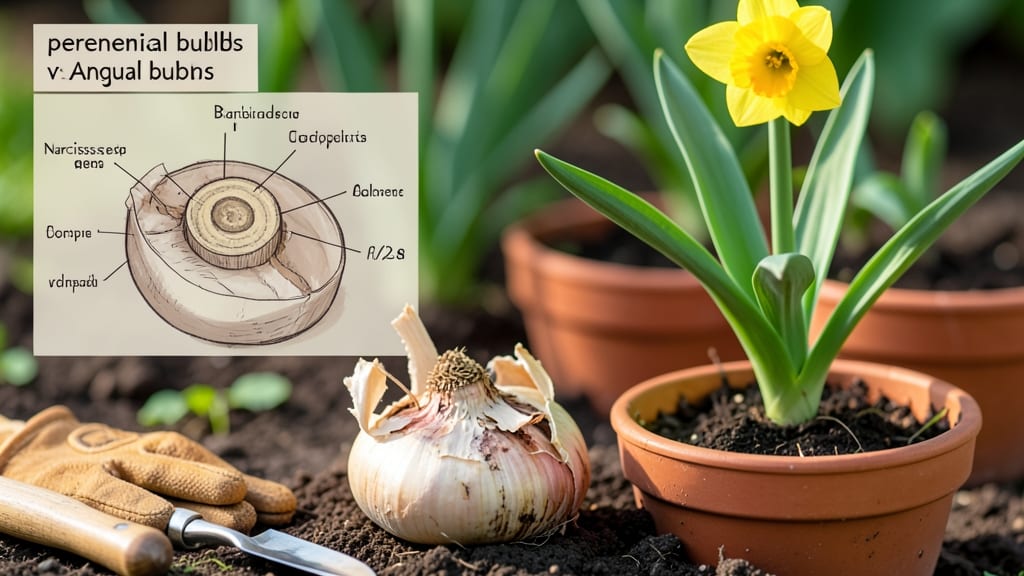
Bulbs are perennials in most cases, meaning they regrow each year from their underground storage structures, though their lifespan varies dramatically by type—some tulips may bloom for just 3-5 years, while hardy lilies can thrive for decades with proper care and climate conditions.
Most bulbs qualify as perennials because they store energy in specialized underground structures like tunics or scales, allowing them to regenerate season after season. 🌱 The key difference between annuals and perennials lies in these storage organs—bulbs essentially "sleep" through dormancy periods but retain the ability to sprout new growth when conditions improve.
For example, daffodils often outlive their original planting by 10+ years, while some hybrid tulips may decline after just a few seasons due to their more delicate genetic makeup.
What truly extends a bulb's lifespan isn't just its species, but how you treat it. In colder climates, proper winter mulching can protect bulbs from freeze-thaw cycles that damage roots, while in warmer regions, consistent moisture prevents the drying that shortens their natural cycle.
I've seen firsthand how a simple adjustment—like planting daffodils in well-draining soil—can turn a 5-year bloom cycle into a 20-year garden staple.
💡 In This Article
- Why Most Garden Bulbs Are Perennial Plants
- Bulb Longevity: Climate and Care Factors
Why most garden bulbs are perennial plants
Bulbs earn their perennial classification thanks to their unique underground storage systems, which function like nature's built-in batteries. These structures—whether tunics (like in lilies) or concentric scales (like in onions)—store carbohydrates, proteins, and water that fuel regrowth each spring.
The botanical magic happens in the basal plate, where new shoots emerge from dormant buds during favorable conditions. Unlike annuals that complete their life cycle in one season, bulbs enter dormancy but retain their core structure, allowing them to persist for years or even decades.
Consider how daffodils (genus Narcissus) produce new foliage from the same bulb each year, gradually building reserves through photosynthesis in their leaves. This process creates a multi-year energy bank that supports both flowering and bulb expansion.
In contrast, tulips (genus Tulipa) store less energy between seasons, often requiring annual division to prevent overcrowding and decline.
The key difference lies in their dormancy strategies: hardy bulbs like alliums can survive -40°F temperatures, while tropical varieties like rain lilies (Zephyranthes) rely on summer dormancy in dry climates.
What most gardeners overlook is how bulb families handle dormancy differently. The Liliaceae family (including lilies and fritillaries) stores energy in thick, fleshy scales that can regenerate for 15+ years with proper care, while Amaryllidaceae members (like daffodils) prioritize rapid spring growth over long-term storage.
This explains why your grandmother's daffodils might still bloom vibrantly after 30 years, while hybrid tulips may fade after just 5 seasons due to their more specialized growth patterns.
The science behind this involves meristematic cells—specialized plant cells that remain undifferentiated and can regenerate entire structures. During dormancy, these cells remain metabolically active at minimal levels, ready to burst into growth when temperatures rise.
For example, crocus bulbs (Crocus vernus) can detect subtle temperature shifts as early as 40°F, triggering chlorophyll production before visible sprouts appear. This adaptive mechanism is why bulbs thrive in regions with distinct seasonal changes, from Mediterranean climates to Canadian gardens.
Here's what this means for your garden: bulbs aren't just surviving—they're strategically conserving resources. A well-established lily bulb might produce 50-100 flowers over its lifetime, while a tulip bulb typically has just 1-3 blooms per season before needing replacement.
The trade-off? Lilies invest heavily in long-term storage, while tulips prioritize showy annual displays. Understanding these differences helps explain why some bulbs become garden legends while others require annual replanting.
One fascinating example is the bluebell (Hyacinthoides non-scripta), which forms dense colonies through bulb offsets. Each mother bulb produces 2-5 daughter bulbs annually, creating a self-sustaining system that can spread across lawns for centuries.
This natural propagation contrasts sharply with hybrid tulips, which often decline after 3-5 years due to their focus on floral display over bulb multiplication. The lesson? If you want bulbs that "just keep coming back," choose species with strong offsetting tendencies like alliums or snowdrops.