
Planting
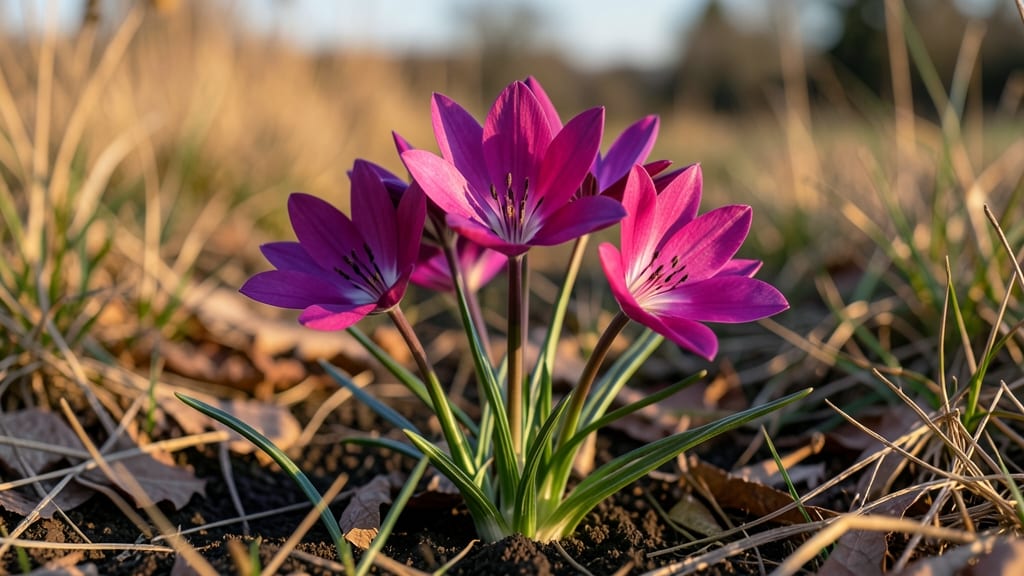
Zone 5 gardeners can still enjoy vibrant fall blooms with these cold-hardy bulbs that thrive in cooler climates. These 10 fall-planted bulbs deliver stunning color, fragrance, and long-lasting beauty—without requiring summer heat to perform.
Daffodil Tulip Hybrids for Early Spring Color
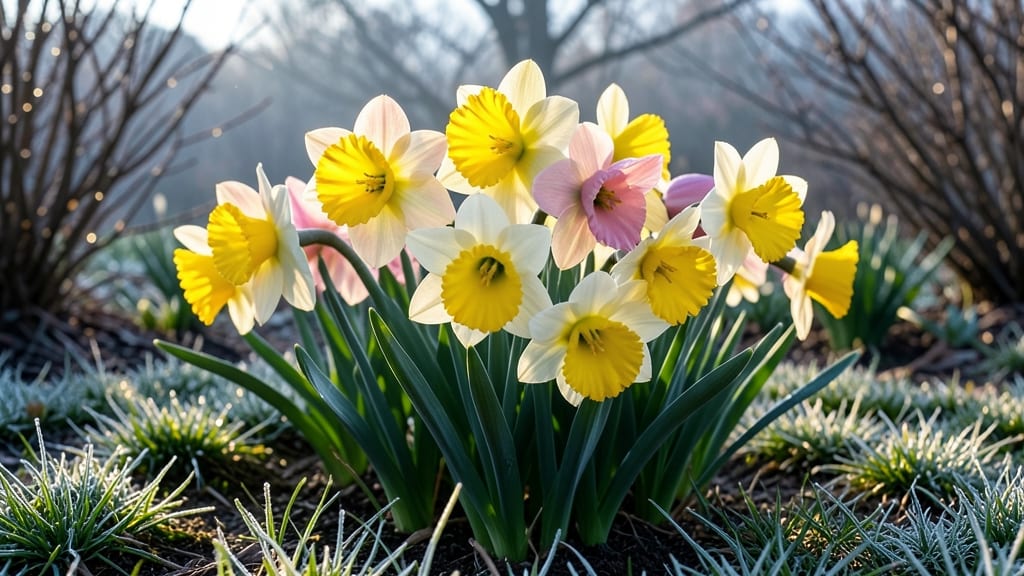
If you're tired of waiting until late spring for daffodils to bloom, daffodil-tulip hybrids are your game-changer. These unique crossbreeds burst into color 2-3 weeks earlier than traditional daffodils, giving Zone 5 gardens a head start when every week counts in the short growing season.
These hybrids combine the hardiness of daffodils with the striking petal layers of tulips, creating bold, layered blooms in vibrant hues like fiery orange, rich yellow, and deep red. Plant them in well-draining soil with 6 hours of sun daily, and they'll reward you with long stems perfect for cutting. Their early bloom time also makes them a pollinator magnet when few other flowers are available.
Perfect for gardeners who want instant impact without waiting, these hybrids thrive with minimal care—just remember to deadhead spent blooms to encourage next year's flowers. 🌻
Crocus Vernus for Honeybee-Friendly Winter Blooms
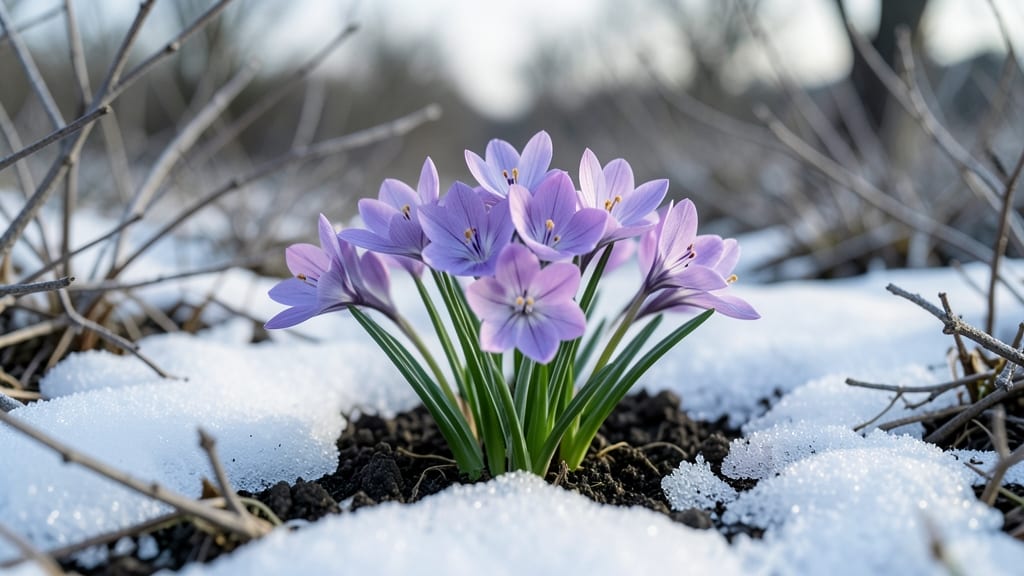
When winter feels like a colorless blur, Crocus verus emerges as a tiny purple hero, breaking through snow to feed hungry bees and brighten your garden. These early bloomers are nature's secret weapon for pollinators struggling through cold months, with flowers that appear as early as February in Zone 5.
Plant the bulbs in well-draining soil with full sun to partial shade, 3-4 inches deep and 2-3 inches apart. Their drought-tolerant nature makes them perfect for low-maintenance gardens, and they'll naturalize over time, creating stunning carpets of purple. The key is planting them in late September or October—just as the ground cools but before it freezes.
This bulb is ideal for gardeners who want to support pollinators while adding winter interest. Even a small cluster will attract bees and bring unexpected color to your landscape. 💚
Allium Globemaster for Dramatic Purple Spheres
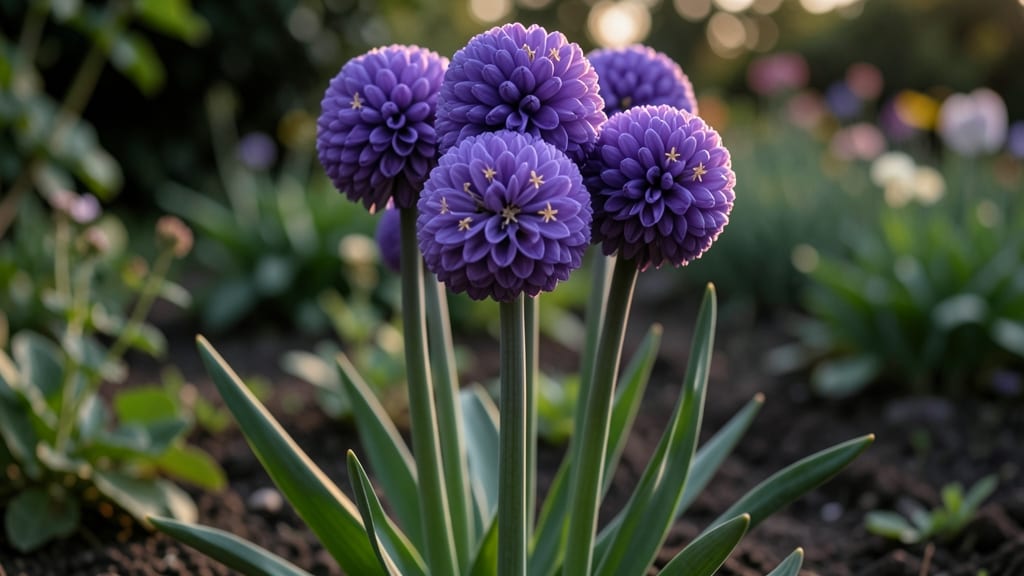
Want a bold statement plant that thrives in Zone 5’s cooler springs? Allium Globemaster delivers 6-inch globe-shaped purple blooms that look like edible art—perfect for cutting gardens or pollinator-friendly borders. This architectural marvel stands tall on sturdy stems, creating visual drama from late spring through summer.
Plant bulbs 3-4 inches deep in well-draining soil with full sun to partial shade, and watch them multiply over time. The spherical flowers attract bees and butterflies while adding texture to mixed borders. Unlike delicate blooms, these drought-tolerant spheres hold their shape even in windy conditions.
Ideal for beginner gardeners or urban spaces, Globemaster requires minimal care but delivers maximum impact. Pair it with late-season bloomers like Echinacea for a year-round pollinator magnet. 🌟
Snowdrops Galanthus Elwesii for Shade Tolerance
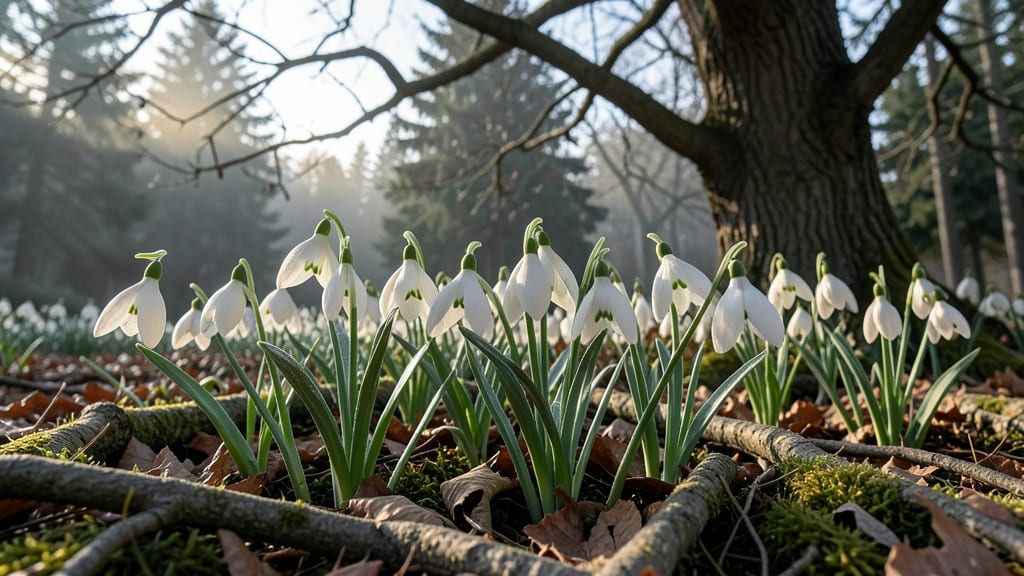
If your garden has shady spots where most bulbs refuse to thrive, Galanthus elwesii—also called giant snowdrops—is your secret weapon. Unlike sun-loving bulbs, these hardy perennials flourish under deciduous trees and in woodland gardens, where their delicate white flowers create a magical winter display.
Plant them in well-draining soil with partial to full shade, and they’ll naturalize over time, spreading to form lush colonies. Their blooms often appear as early as December in mild Zone 5 winters, offering a rare splash of color when other plants are dormant. Perfect for low-maintenance gardeners, they require no staking or deadheading and multiply effortlessly.
These snowdrops are ideal for woodland gardeners or anyone with shady borders, bringing early beauty without the fuss. 🌱
Fritillary Imperialis for Striking Checkered Patterns
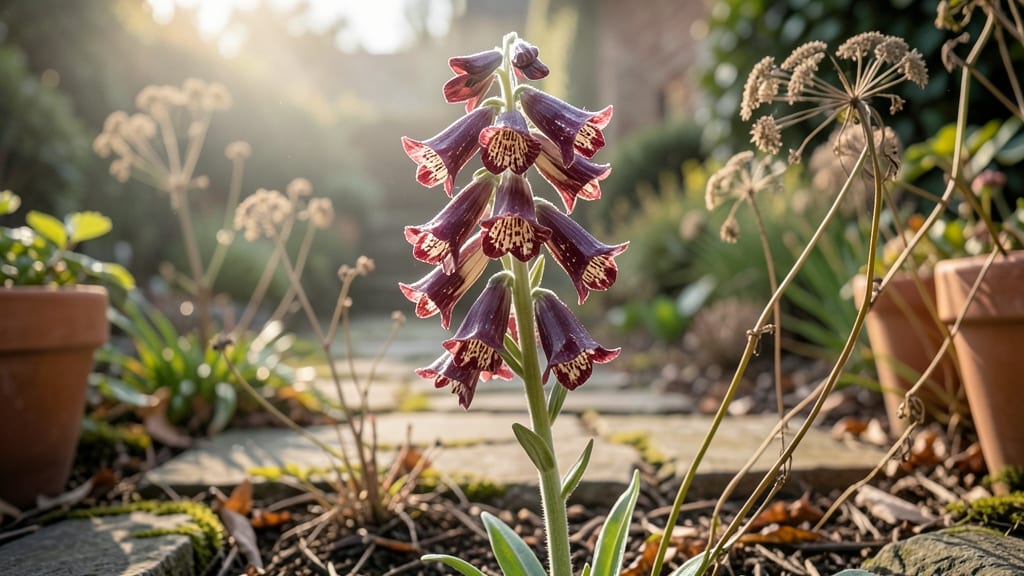
If you crave a cottage garden with old-world charm, Imperial fritillaries (Fritillaria imperialis) deliver dramatic 3-foot stems topped with checkered maroon-and-white blooms that look like they belong in a storybook. These bulbs thrive in Zone 5's cooler climates, where they naturalize over time—meaning fewer replanting chores for you.
Plant them in well-draining soil with full sun to partial shade, and water moderately after planting. Their striking flowers appear in early spring, just as other bulbs begin to fade, creating a stunning sequential display. The bulbs multiply over time, spreading their signature bell-shaped blooms across your garden with minimal effort.
Perfect for gardeners who love low-maintenance plants with high visual impact, these fritillaries add vertical interest and whimsical charm to any landscape. 🌷
Muscari Armeniacum for Grape-Hyacinth Fragrance
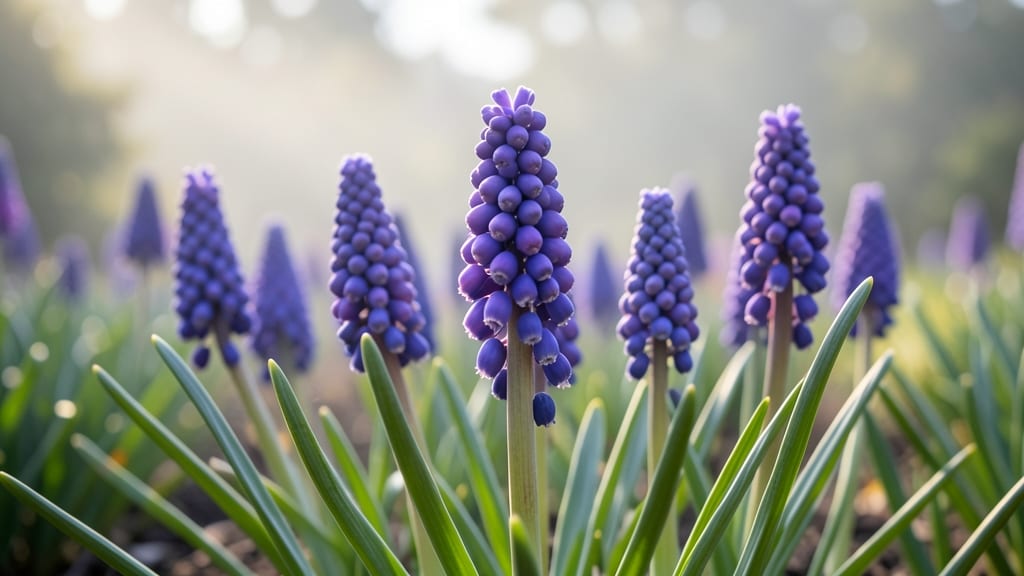
If you crave a garden that smells as good as it looks, Muscari armeniacum (grape hyacinth) delivers a fragrant surprise with its tiny grape-scented blooms. Unlike many spring bulbs, these dense spikes not only attract pollinators but also thrive in Zone 5's cooler temperatures, making them a reliable choice for early-season color.
Plant these bulbs in full sun to partial shade in well-draining soil, and you'll reward yourself with deep blue flowers that create striking contrast against emerging spring foliage. They're perfect for borders, rock gardens, or even naturalizing in lawns where their height (12-18 inches) adds vertical interest. The fragrance intensifies on warm spring days, adding a sensory delight to your garden.
Gardeners who love low-maintenance perennials will appreciate how Muscari armeniacum multiplies over time, creating lush clumps that return year after year. It's especially valuable for pollinator gardens, as bees and butterflies are drawn to its nectar-rich blooms. 🌿
Sternbergia Lutea for Late Fall Sunlight Blooms
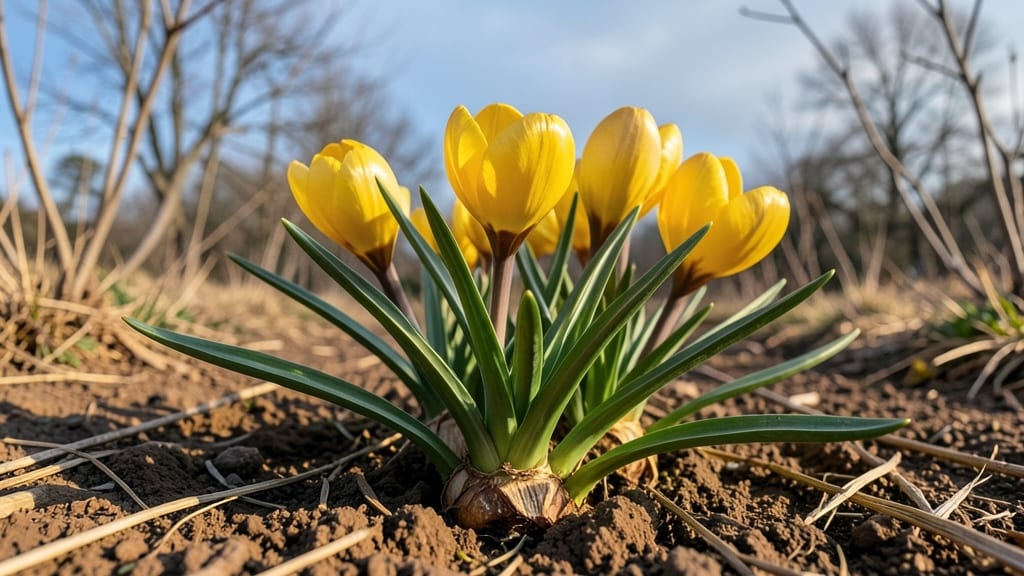
When most gardens have gone quiet by October, Sternbergia lutea bursts onto the scene with its cheerful golden-yellow blooms. Known as the autumn crocus, this bulb thrives in Zone 5's crisp fall temperatures, offering a rare splash of color when other plants are dormant.
Plant these bulbs in full sun to partial shade after the first frost, when soil temperatures drop below 60°F. The flowers emerge in October-November, often lasting for weeks, and the bulbs are drought-tolerant once established. Their low-growing habit makes them perfect for borders, rock gardens, or even container plantings.
Perfect for gardeners who want to extend their season or add unexpected late-season interest, Sternbergia lutea is a true underdog with big personality. 🌻
Chionodoxa Luciliae for Bluebell-Like Clusters
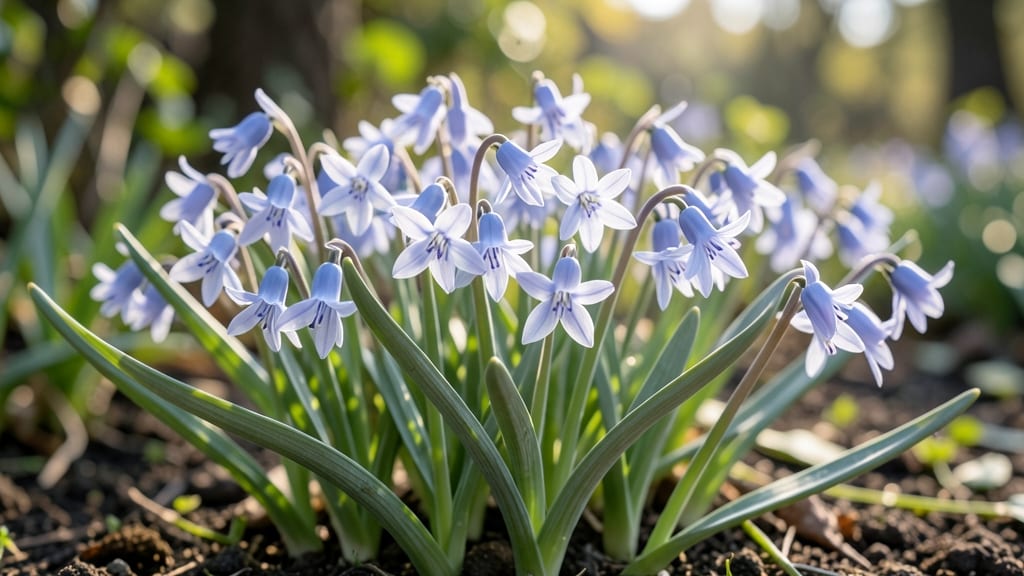
If you love the dreamy charm of bluebells but struggle with their picky growing conditions, Chionodoxa Luciliae is your perfect alternative. These Zone 5-hardy bulbs produce clusters of delicate sky-blue star-shaped flowers that mimic bluebells' elegance without demanding summer heat or rich soil.
Plant them in full sun to partial shade from September to October, and watch them naturalize effortlessly in lawns or woodland edges. Their early spring blooms (March-April) provide a cheerful burst of color before many perennials emerge, while their slender foliage blends seamlessly into garden beds. Perfect for gardeners who want low-maintenance beauty with minimal fuss.
These bulbs reward patience with self-seeding reliability, creating stunning carpets of blue over time. Ideal for woodland gardeners, cottage-style borders, or even as underplanting for shrubs. 💚
Scilla Siberica for Woodland Garden Beauty
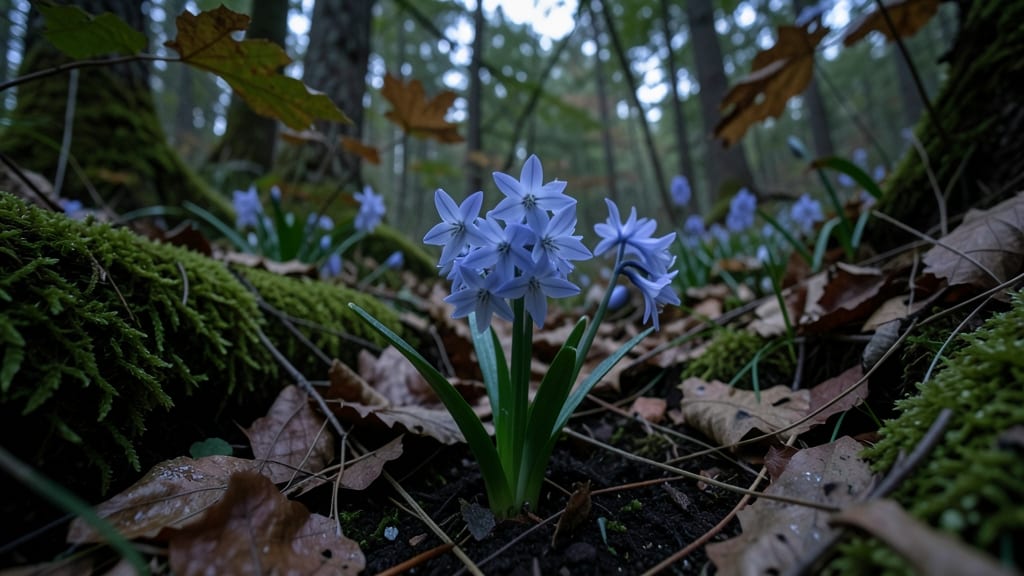
If your woodland garden feels lacking in early spring color, Scilla siberica (Siberian squill) is the understated star you've been missing. This hardy bulb thrives in Zone 5's acidic soils and produces delicate clusters of star-shaped blue flowers that light up shady corners where few other bulbs dare to grow.
Unlike sun-loving bulbs, Scilla siberica flourishes in dappled shade and even deep woodland conditions, making it perfect for naturalizing under trees. Plant the bulbs 3 inches deep in fall, and they'll reward you with 3-6 inch flower spikes in late spring—just as other bulbs are fading. The secret to their success? They prefer moist, well-draining soil with a slightly acidic pH, mimicking their native Siberian forest habitats.
This bulb is especially valuable for gardeners with shaded gardens or those looking to create a layered woodland effect. Once established, they spread reliably, creating a carpet of blue that returns year after year with almost no maintenance. 💚
Colchicum Autumnale for Late-Season Purple Jewels

When your garden seems to fade into dormancy as summer winds down, Colchicum autumnale arrives like a magenta surprise. This underrated gem—also called meadow saffron—blooms in late summer and fall when most flowers have already called it quits, gracing your landscape with vibrant purple blooms that stand out against golden foliage.
Plant these bulbs in well-draining soil with full sun to partial shade, and they'll reward you with low-maintenance beauty that spreads reliably each year. Unlike many fall bulbs, Colchicum thrives in Zone 5's cooler temperatures and even tolerates light frost. Their strap-like leaves appear in spring, but the real show happens in September-October when the flowers emerge.
Perfect for gardeners who want extended-season color, these bulbs are especially rewarding for cottage gardens and meadow-style plantings. They naturalize beautifully over time, creating a self-sustaining display of late-season elegance. 🌷