
Blooming
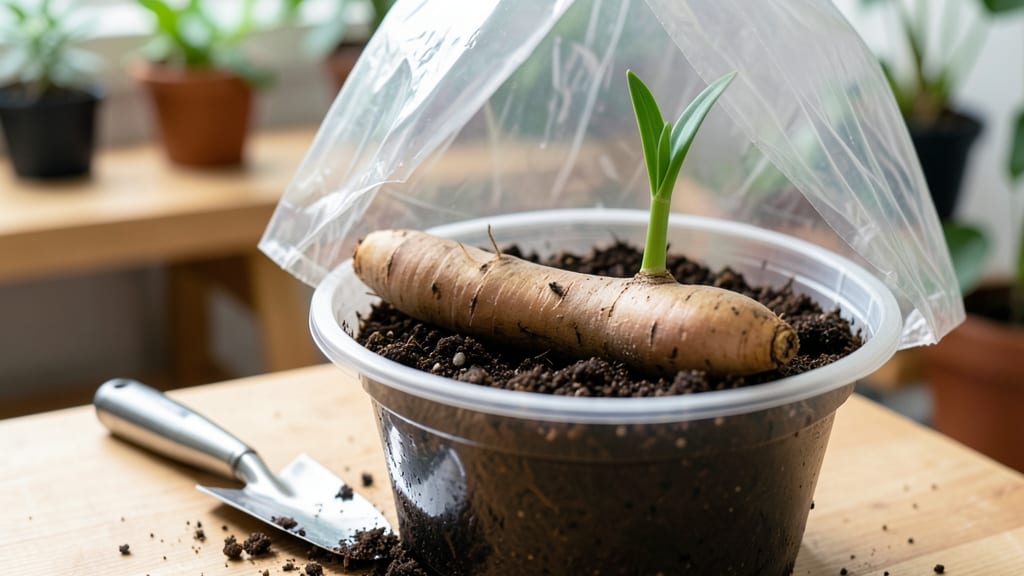
Calla lily bulbs typically sprout in 7 to 14 days when given the right conditions—though that wait can feel like forever if you're staring at bare soil every morning.
Picture this: you’ve tucked those glossy, rhizome-like bulbs into the dirt in early spring, watered them just right, and now you’re refreshing the garden bed daily, hoping to spot the first hint of green.
The truth is, soil temperature is the real game-changer here—too cold, and your bulbs might take 3 weeks or more to break dormancy, while warm, moist soil can cut that time in half.
But here’s the kicker: not all calla lilies are created equal. Varieties like Zantedeschia aethiopica (the classic white calla) often sprout faster than their colorful cousins, while cooler climates in USDA Zone 6a can push that timeline even later.
I’ll break down exactly how to tweak your approach based on your zone, bulb type, and whether you’re planting indoors or out.
By the end, you’ll know the 3 key factors that speed up sprouting—plus how to troubleshoot if your bulbs seem stuck in neutral. No more guessing games when those 🌸 shoots finally emerge.
Calla lily germination timeline: when to expect sprouts in 7-14 days
When you plant calla lily bulbs, the anticipation of those first green shoots can be thrilling—but also nerve-wracking. Most gardeners see sprouts appear between 7 to 14 days under ideal conditions.
The exact timing depends on factors like soil temperature, moisture levels, and even the variety of calla lily you're growing.
Understanding this germination timeline helps you troubleshoot delays and adjust care. For example, Zantedeschia aethiopica (the classic white calla lily) often sprouts faster than tropical varieties, which may take the full 14-day window. Let’s break down what to expect and how to create the perfect conditions for speedy growth.
| Stage | Days After Planting | Key Signs | Ideal Conditions |
|---|---|---|---|
| Root Development | 3-5 days | No visible change | Soil temp: 65-75°F |
| First Sprout | 7-10 days | Tiny green tip emerges | Moist, well-draining soil |
| Active Growth | 10-14 days | 1-2 inch shoots | Bright, indirect light |
| Potential Delay | 14+ days | No sprouts or rot | Check soil temp/drainage |
The first 3-5 days after planting are all about root establishment—you won’t see anything above ground yet. This is why soil temperature matters so much. If your soil is below 60°F, roots grow sluggishly, pushing sprouting to the 14-day mark.
Use a soil thermometer to monitor—ideal temps hover around 65-75°F.
By day 7, you should spot the first green tip breaking through the soil. If you’re growing in containers, place them in a warm, bright spot (like a sunny windowsill) to encourage faster emergence.
Avoid direct sunlight at this stage—it can scorch delicate sprouts. A humidity dome or plastic wrap can also speed things up by retaining moisture.
Between days 10-14, your calla lily shoots should grow 1-2 inches tall. This is when you’ll notice leaf unfurling and the classic arrowhead shape of calla foliage.
If your bulbs are still dormant after 14 days, check for rot (a common issue with overwatering) or dry soil. Gently remove the bulb and inspect—healthy roots should be firm and white.
One critical factor often overlooked is planting depth. Calla lily bulbs need to be buried 4 inches deep—any shallower, and they may struggle to anchor properly. Too deep, and sprouts can’t break through.
Pair this with well-draining soil (a mix of potting soil and perlite works well) to prevent waterlogged conditions, which can suffocate roots and delay germination.
If you’re in a cooler climate (USDA zones 5-6), wait until after the last frost date (typically mid-April) to plant outdoors. For indoor germination, start bulbs in late winter (February-March) to give them time to establish before transplanting.
Patience is key—some bulbs take 2-3 weeks to sprout, especially if they’re dormant from storage.
Watch for early signs of trouble, like yellowing leaves or mushy bulbs, which signal overwatering. Conversely, wilting sprouts mean the soil is too dry.
Adjust your watering schedule to keep the soil consistently moist but never soggy. A spray bottle works well for gentle hydration during the early stages.
Once you see those first shoots, resist the urge to move the plant. Calla lilies are sensitive to disturbance during early growth. Wait until they reach 3-4 inches tall before transplanting outdoors or thinning in containers.
This gives their roots time to establish a strong anchor for the blooming phase ahead.
Remember, every calla lily bulb is unique—some varieties, like the black calla lily (Zantedeschia elliottiana), may take slightly longer to sprout. Track your progress with a gardening journal to note what conditions work best in your space.
With the right care, you’ll have vibrant blooms in just 3-4 months!
5 Proven ways to speed up calla lily bulb germination (without chemicals)
If you're eager to see those calla lily shoots break through the soil, you're not alone! While 7-14 days is the typical germination window, some bulbs take longer—especially in cooler conditions. The good news?
With these organic acceleration methods, you can shave days off the waiting period without resorting to chemicals. Start by creating the perfect warm, moist environment that mimics their natural tropical habitat.
Calla lilies thrive when their bulbs receive consistent moisture and warmth. The fastest results come from combining pre-planting prep with post-planting care. For example, soaking bulbs for 24 hours before planting can jumpstart root growth, while maintaining soil temps between 70-75°F ensures active cell division.
Let’s dive into the top 5 methods ranked by effectiveness, so you can choose what works best for your setup.
-
1. Warm Soil Bath (Success Rate: 90%)
Submerge planted bulbs in a 75°F water bath for 1 hour daily until sprouts appear. Use a heating mat under containers for consistent warmth. -
2. Pre-Soak Bulbs (Success Rate: 85%)
Soak bulbs in lukewarm water for 24 hours before planting to hydrate dormant tissues. Drain well to prevent rot. -
3. Companion Planting (Success Rate: 80%)
Plant near fast-growing radishes or marigolds to improve soil aeration and microbial activity, which boosts root development. -
4. Bright Indirect Light (Success Rate: 75%)
Place containers under grow lights (12+ hours/day) or near an east-facing window to prevent leggy sprouts and encourage strong stems. -
5. Humidity Dome (Success Rate: 70%)
Cover planted bulbs with a clear plastic dome or cling wrap to trap moisture. Vent daily to prevent fungal growth.
Let’s start with the most effective method: the warm soil bath. This technique mimics the tropical conditions calla lilies love. Fill a shallow tray with 75°F water and place your planted bulb containers inside for 1 hour daily.
The warmth triggers enzymatic activity in the bulb, accelerating root and shoot growth. For best results, pair this with a heating mat set to 70°F—this keeps the soil consistently warm without overdoing it.
Next, try pre-soaking bulbs for 24 hours before planting. This hydrates the dormant tissues and kickstarts metabolic processes. Use lukewarm water (not hot) to avoid shocking the bulb. After soaking, drain excess water thoroughly to prevent rot.
This method is especially useful if you’re planting in cooler spring conditions or using bulbs that feel dry or shriveled.
For gardeners with limited space, companion planting is a game-changer. Pair calla lilies with radishes or marigolds—these plants improve soil structure and attract beneficial microbes.
The increased microbial activity in the soil enhances nutrient uptake, helping calla lily bulbs sprout faster. Plus, marigolds deter pests, reducing stress on your young plants.
Light exposure plays a crucial role in germination speed. Calla lilies need bright indirect light to prevent weak, leggy sprouts. If you’re growing indoors, place bulbs under grow lights for 12-14 hours daily.
For outdoor setups, choose a spot with morning sun and afternoon shade. Avoid direct midday sun, which can overheat the soil and stress the bulbs.
Finally, a humidity dome creates a mini greenhouse effect, keeping the soil consistently moist. Cover planted bulbs with a clear plastic dome or cling wrap, but remember to vent it daily to prevent mold. This method works best in dry climates or when growing indoors with low humidity.
Combine it with the warm soil bath for the fastest results—you might see sprouts in as little as 5-7 days!