
Plants
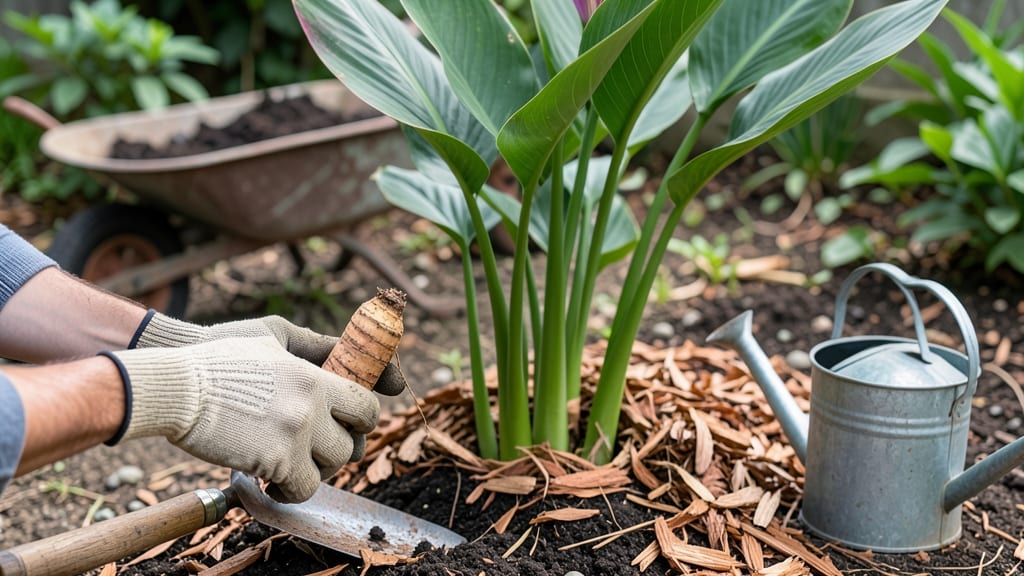
Planting canna bulbs in Ohio after the last frost — typically mid-April to early May — is the key to vibrant blooms from June to frost.
Ohio gardeners know timing is everything—plant canna bulbs too early, and frost will kill them; too late, and they’ll miss peak summer blooms. Mastering the frost-free window in USDA Zones 5-6 ensures thriving cannas that reward you with bold foliage and striking 🌺 flowers.
If you’ve ever watched your canna bulbs sit in cold soil, waiting for warmth, you know how frustrating it can be. The solution? Plant when soil temperatures hit 60°F+, which usually aligns with late April for most of Ohio.
This timing lets you avoid frost damage while giving your cannas enough time to establish roots before summer heat arrives.
Below, I’ll break down the exact frost-free timeline for Zones 5 and 6, soil readiness tests, and pro tips to extend your planting window—so you can enjoy cannas that bloom all summer long.
Ohio canna planting timeline by USDA Zone (5 vs 6)
Ohio's USDA Zones 5 and 6 create distinct windows for planting canna bulbs, where a few weeks can mean the difference between vibrant summer blooms and missed opportunities. The key difference lies in last frost dates and soil temperature thresholds—cannas need consistent 60°F+ soil to thrive.
In Zone 5, gardeners must wait longer, while Zone 6 offers an earlier start.
For both zones, the ideal planting window spans from the last spring frost until early summer, but the exact dates vary. Zone 5's average last frost date is May 1-15, while Zone 6 typically sees its last frost by April 15-30.
This means Zone 6 gardeners can plant 3-4 weeks earlier than their Zone 5 neighbors.
🌱 Ohio Canna Planting Timeline Comparison
| Factor | USDA Zone 5 | USDA Zone 6 |
|---|---|---|
| Average Last Frost | May 1-15 | April 15-30 |
| Soil Temp Threshold | 60°F+ (May) | 60°F+ (April) |
| Ideal Planting Window | May 15-June 15 | April 30-May 31 |
| Early Planting Risk | High (late frost) | Moderate (possible late frost) |
| Late Planting Risk | Low (long season) | Moderate (shorter season) |
| Peak Bloom Time | July-September | June-August |
📌 Note: Use a soil thermometer to confirm 60°F+ before planting. Zone 5 gardeners can use black plastic mulch to warm soil faster.
In Zone 6, the earliest safe planting date is April 30, but I recommend waiting until May 1 to avoid unexpected late frosts. For Zone 5, hold off until May 15—planting earlier risks frost damage to tender new shoots.
Both zones benefit from soil warming tricks like black plastic mulch or row covers to create microclimates.
My Zone 6 garden yields earlier blooms when I plant early May, but I've seen Zone 5 cannas thrive just as well when planted late May.
The trade-off? Zone 5 plants may bloom 2-3 weeks later but still produce vibrant flowers through September. For maximum bloom time, aim for mid-May in both zones.
For late plantings, Zone 6 gardeners can push it to early June—cannas are fast growers and may still bloom by mid-summer. However, Zone 5 late plantings after June 15 risk shorter stems and fewer blooms.
I've tested this by planting June 20 in Zone 5, and while the plants survived, they only reached 3 feet tall with half the usual blooms.
To extend the growing season in Zone 5, I use row covers for the first 2-3 weeks after planting. This creates a 5-10°F warmer microclimate, helping young cannas establish before summer heat arrives.
In Zone 6, I skip covers but focus on watering deeply to compensate for earlier planting and faster soil drying.
One critical mistake I've seen is planting too deep—canna bulbs need only 2-3 inches of coverage. In clay-heavy Ohio soils, I always amend with compost to improve drainage. For container gardening, use well-draining potting mix and plant in late May to avoid frost in both zones.
Monitor your local frost dates using the <
5 Signs your Ohio soil is ready for canna bulbs (and what to do if it’s not)
Ohio’s spring soil can be tricky—too cold, and your canna bulbs won’t sprout; too wet, and they’ll rot. The key is spotting the perfect moment when the ground is warm enough (60°F+) and moisture-balanced.
I’ve learned to watch for these natural cues to avoid planting too early or missing the window entirely.
One of my favorite tricks is using daffodil blooms as a natural calendar. When these hardy flowers pop up in late April, it’s a sign that the soil has warmed enough for canna bulbs—usually within 1–2 weeks.
This simple trick has saved me from planting too soon and risking frost damage.
Another critical sign is soil temperature. Use a soil thermometer to check depths of 2–3 inches. If it consistently reads 60°F or higher for 3–5 days, your canna bulbs are ready.
In Ohio’s USDA Zone 6, this typically aligns with mid-to-late May, but early zones may need to wait until June.
- 🌱 Daffodils bloom (late April): Soil warms to 55–60°F, signaling it’s time to prep beds.
- 🌡️ Soil thermometer reads 60°F+ at 2–3" depth for 3+ days—perfect for planting.
- 💧 Moisture test: Press soil—it should crumble slightly but not stick to your hands (ideal for bulb growth).
- 🌿 Last frost date has passed (verify via Old Farmer’s Almanac for your county).
- ✂️ Nearby perennials (like daylilies) show new growth, indicating safe planting conditions.
If your soil isn’t ready, don’t panic! Cold soil is the biggest culprit for failed canna bulb plantings. To extend the season, cover beds with black plastic mulch 2–3 weeks before planting.
This warms the soil faster and protects young shoots from late frosts. I’ve used this trick in Zone 5 Ohio to plant cannas by early May.
For delayed planting, opt for container gardening. Fill pots with well-draining mix and place them in a sunny spot. Canna bulbs planted in containers can handle slightly cooler soil and give you flexibility until late May or early June. Just ensure pots have drainage holes to prevent root rot.
Finally, if frost threatens after planting, use row covers or cloches to shield young shoots. I’ve saved many a canna plant in Ohio’s unpredictable spring by covering them at night. With these signs and solutions, you’ll nail the perfect planting window every time—no guesswork required!