
Plants
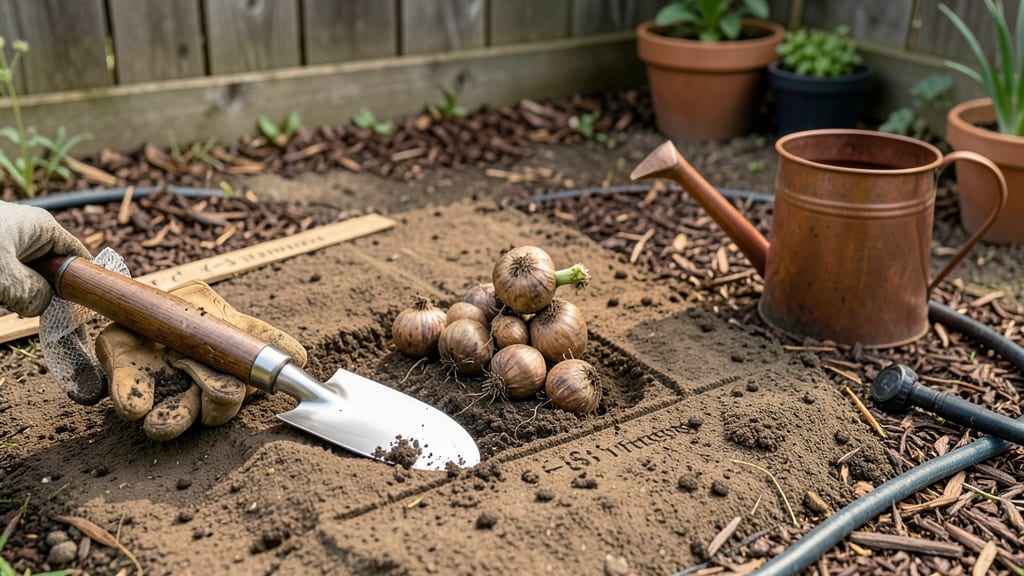
Plant hyacinth bulbs in Texas between October and December for North Texas or November through January for Central and South Texas—timing this right is the key to fragrant spring blooms.
Texas gardeners know timing is everything—plant too early, and the heat will rot them before they even think about blooming. Too late, and they’ll miss the chill hours they need to trigger those iconic 🌷 clusters.
Get it wrong, and you’re left staring at bare soil in March, wondering where the promise of purple went.
Why does this matter? Hyacinths are finicky about cold exposure, and Texas’s mild winters mean they need the right balance: enough chill to wake them up, but not so much that they freeze.
Zone 8B’s 600-800 chill-hours window is narrow, and missing it can turn your bulbs into a sad, shriveled investment.
Don’t worry—this guide breaks down the exact weeks to plant by region, soil prep tricks for Texas clay, and how to protect your bulbs from our unpredictable freezes.
By the end, you’ll know whether to dig in November or wait until December, and how to give your hyacinths the best shot at blooming like they’re in a Dutch masterpiece.
Texas hyacinth planting timeline: chill-hours deep dive for zone 8B
Hyacinths (Hyacinthus orientalis) are chill-hour dependent, meaning they need a specific number of temperatures between 32°F and 45°F to trigger blooming. In Zone 8B, this typically means 400-600 chill-hours—but Texas’ mild winters can make timing tricky.
Plant too early, and bulbs rot in the heat; too late, and they won’t get enough cold to bloom. The key? Aligning your planting with soil temperatures dropping below 60°F while ensuring enough chill before spring warmth returns.
Texas’ North Texas (Dallas/Fort Worth) usually hits 400-500 chill-hours between November and February, while Central Texas (Austin) and South Texas (San Antonio) often see 300-400 chill-hours. For reliable blooms, aim to plant bulbs 6-8 weeks before your area’s average last frost date.
In North Texas, that’s October-November; in Central/South Texas, November-January. Use your local Almanac’s frost dates as a guide—hyacinths need that cold snap to wake up!
Chill-hour math is simple: multiply the number of days below 45°F by the number of hours below 45°F each day. For example, 10 days of 40°F nights = 240 chill-hours. Most hyacinth varieties need 300-600 chill-hours, so track your local temps using tools like the Texas A&M AgriLife Extension chill-hour calculator. Pro tip: Early varieties (like ‘Delft Blue’) need 400-500 chill-hours, while late varieties (like ‘Anne Marie’) can stretch to 600 chill-hours.
Soil temperature is your second critical factor. Hyacinth bulbs should go into cooler soil (below 60°F), but not frozen ground. Use a soil thermometer to check depths of 4-6 inches—this is where roots will grow.
In North Texas, soil temps drop below 60°F by mid-October, while South Texas may not hit that mark until late November or December. Planting too early in warm soil causes premature sprouting, which weakens bulbs before they’ve stored energy.
Adjust for early vs. late varieties by tweaking your timeline. Early bloomers (like ‘Jan Bos’) need 400-500 chill-hours and should go in October-November in North Texas. Late bloomers (like ‘Woodstock’) can handle 600 chill-hours and may bloom as late as April in South Texas.
For extended blooms, plant a mix of varieties in 2-week intervals—this staggers their chill requirements and spreads out flowers from March to April.
Texas’ unpredictable winters add another layer. If your area gets unusually warm spells (like the 2023-2024 mild winter), bulbs may not get enough chill. In this case, delay planting until December or use shade cloth to protect newly planted bulbs from heat spikes.
Conversely, if a hard freeze hits early, plant earlier than usual—bulbs can tolerate brief freezing but rot in persistent warmth above 65°F.
Protect your investment with mulch. Apply a 2-3 inch layer of straw or pine needles after planting to insulate bulbs from temperature swings. This also suppresses weeds
Step-by-step Texas hyacinth planting guide: soil to bloom
Now that you’ve nailed the timing, let’s get your hyacinth bulbs into the ground with confidence. Texas soil can be tricky—too heavy and they’ll rot; too sandy and they’ll dry out. The secret?
A well-amended bed with sharp drainage and a protective mulch to shield bulbs from our infamous heat spikes. I’ll walk you through every step, from soil prep to the final mulch fluff, so your bulbs wake up ready to bloom in spring.
First, pick a sunny spot that gets 6+ hours of light daily. Hyacinths love basking, but in South Texas, afternoon shade helps bulbs survive summer’s brutal heat. If your yard has clay-heavy soil, mix in sand or compost to improve drainage—this is non-negotiable for bulbs that hate soggy roots.
Test your soil’s pH too; aim for 6.0-7.0, the sweet spot for hyacinths.
- Step 1
- Step 2
- Step 3
- Step 4
- Step 5
After planting, resist the urge to fertilize—hyacinths need to establish roots before feeding. Wait until March, after flowers fade, to apply a light 5-10-10 fertilizer. This encourages next year’s blooms without burning tender foliage.
Water deeply once a week until rains return, but avoid soggy soil; bulbs rot faster in Texas’ humid summers than in most climates.
Protect your investment from Texas heat spikes by planting in partial shade if your yard gets scorching afternoons. A lightweight shade cloth (30-50%) over beds during peak summer can save bulbs from drying out.
And here’s a pro tip: Plant near perennials like salvia or lavender—their deep roots improve soil structure while shading hyacinths naturally.
Your bulbs are now tucked safely into the soil, but don’t pack up your tools just yet. Mark their location with biodegradable flags so you remember where they’re hiding under next year’s mulch.
Come spring, when green shoots poke through, you’ll know your timing paid off with fragrant blooms that’ll outshine even our toughest Texas summers.