
Plants
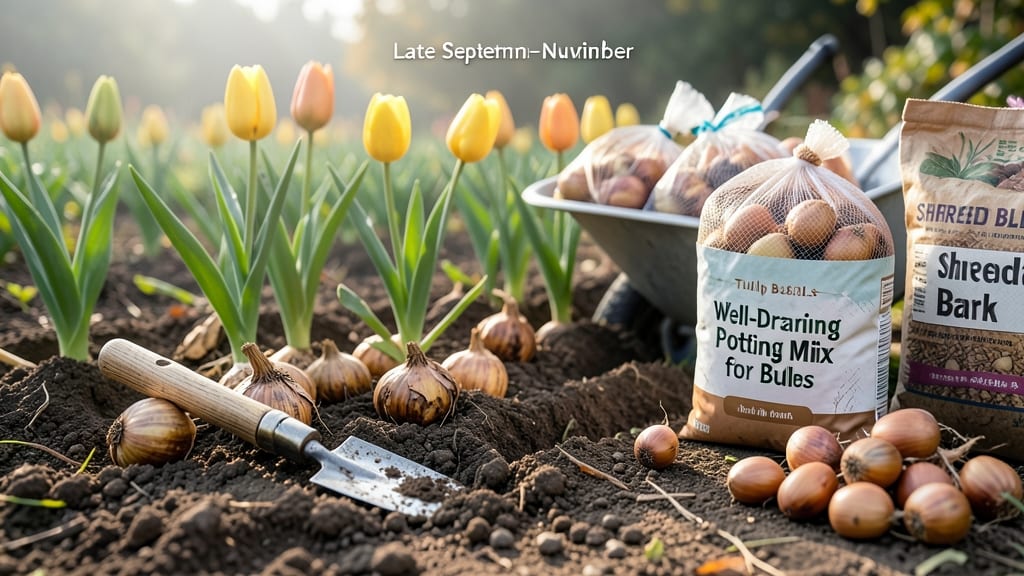
Planting tulip bulbs in Kansas means timing the fall chill just right so they bloom reliably next spring 🌷 — aim for October through November when soil temps drop below 60°F.
Kansas gardeners know the struggle: plant tulip bulbs too early, and they’ll rot in the soil; too late, and you’ll miss the critical chill period for vibrant spring blooms. The key? Mastering the "chill-then-chill" method tailored to Kansas’ unpredictable winters.
In zones 5b-6b, tulips need 12-16 weeks of cold to trigger blooming, which means starting in early October for most of the state. Northern Kansas may need an extra week of chill, while southern regions can push planting slightly later.
Below, I’ll walk you through the exact planting window, soil prep tips, and how to adjust for early or late frosts — so your tulips get the perfect double-chill cycle and burst into color by April or May.
Kansas-specific tulip bulb planting timeline: chill requirements explained
Kansas gardeners face a unique challenge with tulip bulbs: the state's variable climate demands precise timing to ensure those vibrant spring blooms. Unlike milder regions, tulips here need a double-chill cycle—12 to 16 weeks below 40°F (4°C)—to break dormancy reliably.
Miss this window, and you’ll end up with floppy stems or no flowers at all.
Most of Kansas falls under USDA Zones 5b-7a, where winters can swing from mild southern stretches to harsh northern freezes. This means your planting schedule must account for early October frosts in the north and late November chill in the south.
The key? Plant bulbs 6-8 weeks before the ground freezes—typically mid-October to early November—but adjust based on your microclimate.
Here’s the critical rule: tulip bulbs need two separate cold periods. First, they must chill in the ground for 8-12 weeks before winter. Then, after a warm spell, they need another 4-6 weeks below 40°F to trigger blooming.
In Kansas, this often means planting in October, enduring winter, then relying on late winter cold snaps for the second chill.
Soil temperature is just as critical as air temperature. Bulbs rot if planted in warm soil (>50°F/10°C). Use a soil thermometer to confirm temps are below 60°F (15°C) before planting.
In southern Kansas (Zone 7a), this might mean waiting until late October, while northern zones (5b) can plant as early as mid-September.
Here’s a quick reference for Kansas gardeners to align planting with chill requirements:
Proper soil preparation is non-negotiable in Kansas’ clay-heavy soils. Before planting, mix in 2-3 inches of compost to improve drainage and add organic matter. Tulip bulbs rot in soggy soil, so avoid low spots where water pools.
If your yard has compacted clay, consider raised beds for better control over moisture and temperature.
For gardeners in Zone 6a or warmer, where winters are shorter, you might need to pre-chill bulbs indoors for 8-10 weeks before planting. Store bulbs in a paper bag in your crisper drawer (35-40°F/2-4°C) to mimic winter conditions.
This ensures they’ll bloom even if Kansas’ winter skips the second chill phase entirely.
Timing isn’t just about the calendar—it’s about weather patterns. Check your local National Weather Service for frost predictions and adjust your planting date accordingly. If an early freeze is forecasted, plant bulbs 2-3 weeks earlier than usual.
Conversely, if mild fall weather lingers, wait until soil temps drop below 60°F (15°C) to avoid rot.
Once planted, mulch heavily with straw or leaves (4-6 inches) to insulate bulbs from temperature swings. This helps maintain consistent cold and prevents freeze-thaw cycles that can damage emerging shoots. In
Chill-then-chill method: step-by-step for Kansas gardeners
Kansas’ short winters can leave tulip bulbs starving for chill hours, but the chill-then-chill method ensures they get the 12-16 weeks below 40°F they need. This two-phase approach mimics nature’s freeze-thaw cycles, guaranteeing those vibrant spring blooms you’ve been dreaming of.
If your winter feels too mild, we’ll even cover indoor pre-chilling tricks to bridge the gap.
The secret lies in planting timing and winter insulation. Most Kansas gardeners should plant bulbs in late October or early November, but if you’re in Zone 5b (northern KS), aim for mid-October.
The goal? Give bulbs 6-8 weeks of root growth before the ground freezes—but not so early they rot in warm soil. Let’s break it down step by step.
🌱 Step-by-Step Chill-Then-Chill Method for Kansas Tulips
- 1 Pre-Chill (Indoor): If planting after November 15, pre-chill bulbs in a paper bag in your refrigerator’s crisper drawer for 8-10 weeks at 35-40°F. This mimics early winter’s chill.
- 2 Plant in Fall: Dig holes 6 inches deep and 4-6 inches apart. Add a 1-inch layer of compost to the bottom for drainage. Plant bulbs pointy end up by mid-November (or sooner in Zone 5b).
- 3 Mulch for Insulation: After planting, cover soil with 4-6 inches of straw or shredded leaves. This traps cold air and protects bulbs from freeze-thaw cycles. Remove mulch in late winter to let bulbs warm up.
- 4 Winter Care: If unseasonably warm spells hit (above 50°F), add extra mulch or cover bulbs with burlap. This prevents premature sprouting, which weakens bulbs before they’re ready.
- 5 Spring Prep: Once daytime temps stay above 50°F (usually mid-March), remove mulch and water lightly to encourage shoots. Avoid heavy watering until foliage appears.
Adjust this timeline if you’re in southern Kansas (Zone 6b). You’ve got a 2-3 week buffer—plant bulbs as late as early December but still pre-chill them indoors if your winter feels too mild.
Pro tip: Use a soil thermometer to monitor temps. Once soil hits 50°F for 5+ days, it’s time to remove mulch and let those bulbs wake up!
Don’t let Kansas’ variable winters fool you—this method works even if January thaws or February freezes hit. The key is consistency: bulbs need both chill phases, whether they come from nature or your fridge.
With this approach, you’ll enjoy bold, healthy blooms year after year, no matter what Mother Nature throws at you.
For extra insurance, label your bulbs with planting dates. This helps track which ones got their double-chill and which might need a second year in the ground. Happy planting—your spring garden will thank you! 🌷