
Plants
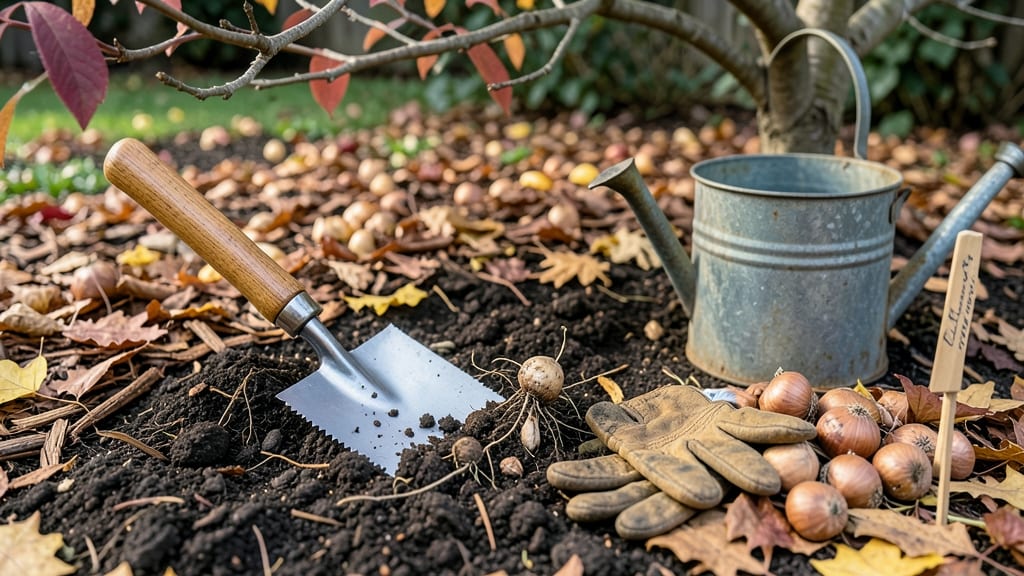
Planting tulip bulbs in New Jersey between October and November is the key to a showstopping spring display, but timing can make or break your 🌷 blooms.
New Jersey gardeners know timing is everything—plant tulip bulbs too early, and they’ll rot; too late, and you’ll miss spring’s showstopper blooms. Mastering the perfect planting window in NJ’s climate ensures vibrant tulips that steal the show every spring.
With USDA Zones 6a-7b and unpredictable frost dates, the right moment depends on soil temperature, microclimates, and bulb variety. Coastal areas may have a few extra weeks, while inland spots need to act faster.
Below, I’ll break down the exact planting schedule for your zone, how to prep soil for success, and simple care tips to keep your tulips thriving until those April-May blooms arrive.
Best planting timeline for NJ tulip bulbs by hardiness zones
New Jersey’s USDA Zones 6b-7a create a unique challenge for tulip lovers—coastal areas like Cape May (Zone 7a) enjoy milder winters, while inland spots like Sussex County (Zone 6b) face earlier frosts.
To nail your planting window, aim for 4-6 weeks before the ground freezes, typically mid-October to November. This timing ensures bulbs root deeply before winter dormancy, setting the stage for vibrant spring blooms in April-May.
The key is soil temperature, not air temperature. Plant when soil cools to 50-60°F—a thermometer is your best friend! In Zone 6b (northern NJ), this usually lands in late October, while Zone 7a gardeners can plant as late as early November.
Coastal microclimates may extend your window by 1-2 weeks due to warmer ocean-influenced air.
Here’s your NJ-specific planting timeline, broken down by zone and microclimate:
For Zone 6b gardeners, rush to plant by October 25—any later, and bulbs may not establish roots before the ground freezes.
In Zone 7a, you’ve got a little more wiggle room, but don’t wait past November 10, especially in inland areas where nights dip below freezing faster. Coastal gardeners can push the envelope to November 15, thanks to the ocean’s moderating effect.
Pro tip: Use a soil thermometer to confirm readiness. Stick it 4 inches deep—the ideal depth for tulip bulbs—and wait until it reads 50-60°F for 3 consecutive days.
This signals it’s time to dig! If your soil is still warm (above 60°F), bulbs may sprout prematurely and get fried by frost.
Don’t overlook microclimates—your neighbor’s yard might be 10°F warmer than yours! South-facing slopes warm up faster, while low-lying areas hold cold longer. If you’re unsure, err on the earlier side. Bulbs planted too late can still survive, but they’ll produce smaller blooms the following spring.
Once planted, protect your bulbs with a 2-3 inch layer of mulch (straw or shredded leaves work best). This insulates them from freeze-thaw cycles and keeps soil temps stable. In Zone 6b, add mulch by mid-November; in Zone 7a, wait until late November to avoid trapping moisture.
For container gardeners, timing is even trickier. Pots heat up and cool down faster than in-ground soil. Plant 4-6 weeks earlier than your zone’s ideal window—by September-October—and use insulated planters or bury containers halfway in the ground for extra protection.
Remember, bulbs in pots are more vulnerable to frost
Critical factors that determine your planting window in NJ
New Jersey’s variable climate means your tulip planting success hinges on three key factors: soil temperature, frost dates, and the type of tulip bulbs you choose.
Unlike warmer climates, NJ’s USDA Zones 6b-7a demand precision—plant too early, and bulbs rot; too late, and they won’t establish roots before winter. Even a 5°F temperature swing can shift your ideal window by weeks.
Coastal areas like Cape May often experience milder winters, allowing a slightly later planting window (through early December), while inland zones like Morristown may need bulbs in the ground by mid-November. Soil temperature is your best guide: aim for 40-50°F at planting depth (6-8 inches).
Use a soil thermometer to avoid guesswork—this is especially critical for late-blooming varieties like ‘Darwin Hybrid’ tulips.
⚠️ callout-warning
Soil temp drops below 50°F → Bulbs stop rooting.
First hard frost (avg. Nov 15) → Plant by Nov 1 for safety.
Containers dry faster → Plant 2 weeks earlier than in-ground.
Your tulip variety also dictates timing. Early bloomers like ‘Greigii’ tulips need planting by mid-October to establish roots before winter, while late bloomers such as ‘Fosteriana’ can wait until early November. Pro tip: check the days-to-bloom label on your bulbs—longer-blooming types (120+ days) have more flexibility.
For container gardening, adjust your window by 2-3 weeks earlier since pots dry out faster and roots struggle to establish in cold soil.
Don’t overlook microclimates—a south-facing bed warms up faster than a north-facing one, potentially extending your planting window by 10-14 days. If you’re unsure, use mulch (straw or shredded leaves) after planting to insulate bulbs and protect them from freeze-thaw cycles.
This is especially helpful in Zone 6b areas where temperatures can fluctuate wildly. For urban gardeners, consider heat-retaining materials like black plastic mulch to give bulbs a head start.
Timing also affects bloom performance. Bulbs planted too late may produce smaller flowers or skip blooming entirely, while those planted too early risk rot from excess moisture. Aim for 4-6 weeks before ground freezes—this gives roots time to anchor before winter dormancy.
In southern NJ (Zone 7a), you might squeeze in a December planting, but prioritize dwarf varieties like ‘Tiny Star’ tulips, which are hardier in cooler soils.
Finally, container vs. in-ground planting changes the game. In-ground bulbs benefit from natural insulation and moisture retention, while container-grown tulips need well-draining soil mixes (add perlite or sand) and winter protection (move pots to unheated garages or wrap in bubble wrap).
For balcony gardens, choose smaller varieties like ‘Apeldoorn’ tulips—they tolerate cooler root zones better than tall hybrids. Always label your containers to track planting dates and adjust care accordingly.