
Plants
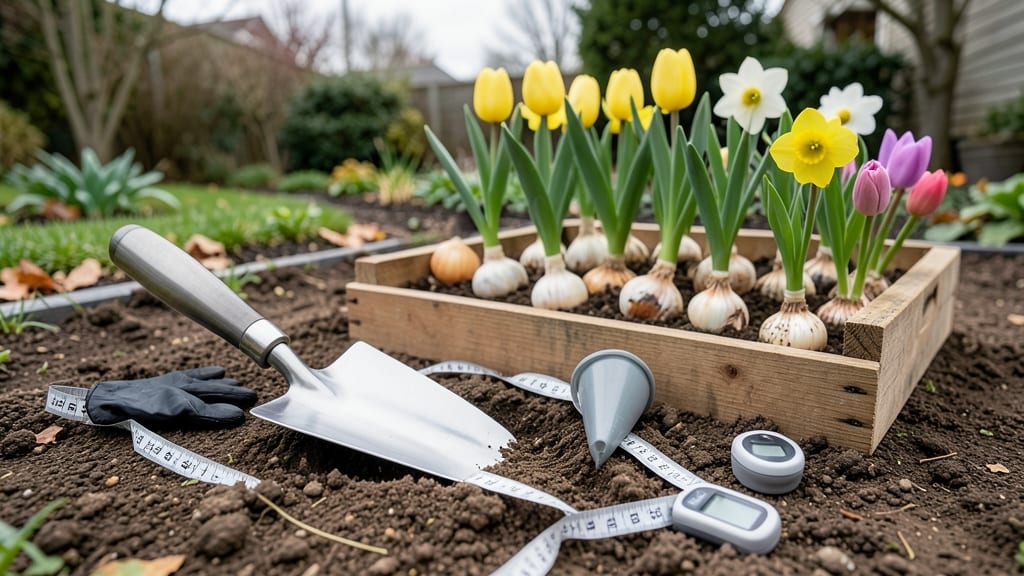
Planting bulbs in North Texas at the right time means the difference between a spring garden bursting with color 🌷 and a missed opportunity for blooms.
North Texas gardeners face a unique challenge: finding the perfect window to plant bulbs without scorching summer heat or freezing winter winds. But with the right chill-hour knowledge and timing, you can transform your yard into a spring blooming paradise—here’s exactly when and how to do it.
Most spring-flowering bulbs like tulips and daffodils need to be in the ground by November 15 to establish roots before winter sets in. Plant them too late, and they won’t get enough cold exposure to bloom properly.
Meanwhile, fall-planted varieties like crocuses and hyacinths thrive when planted in September or October, giving them time to settle before the ground freezes.
Below, I’ll break down the exact months to plant by bulb type, soil prep tips for North Texas’ clay-heavy soil, and how to protect your bulbs from our unpredictable freezes.
By the end, you’ll know the best timing for your yard—and how to avoid common mistakes that kill blooms before they even start.
North Texas chill-hour requirements: which bulbs thrive here?
North Texas gardeners know that chill-hour requirements make or break bulb success. Unlike cooler climates, our USDA Zones 7b-8b deliver 600-1,200 chill hours annually—just enough for many bulbs but not all.
The key is matching your bulb varieties to your specific microclimate, whether you're in DFW's urban heat, Waco's limestone soil, or East Texas' humidity.
Most classic spring bloomers like tulips and daffodils thrive with 600-900 chill hours, while hyacinths and crocuses need 900-1,200+ hours. Our region's warm winters can trick bulbs into thinking spring has arrived too soon, causing them to bloom prematurely or fail entirely.
Understanding these needs ensures your bulbs stay dormant long enough to produce vibrant spring displays.
Here's how North Texas' climate affects dormancy: DFW's urban heat islands often accumulate fewer chill hours than rural areas, while East Texas' milder winters may not provide enough cold for high-chill varieties.
The solution? Choose low-chill hybrids or adjust planting times to maximize dormancy periods. For example, planting tulips in November instead of October can give them extra weeks of cold exposure.
A chill-hour zone map would show DFW typically gets 700-900 hours, Waco 800-1,000 hours, and East Texas 600-800 hours. This variation explains why some gardeners in Lubbock succeed with high-chill daffodils while others in College Station struggle with the same varieties.
The map helps you visualize where your yard falls in these ranges.
| Bulb Type | Chill-Hour Needs | North Texas Suitability | Best Varieties |
|---|---|---|---|
| Tulips | 600-900 hours | Excellent in DFW/Waco | Darwin Hybrids, Parrot Tulips |
| Daffodils | 400-800 hours | Perfect for East Texas | Ice Follies, Tête-à-Tête |
| Crocuses | 900-1,200 hours | Risky in East Texas | Tommy, Purple Striped |
| Hyacinths | 1,000-1,500 hours | Challenging everywhere | Delft Blue, Anna Marie |
| Alliums | 300-600 hours | Best for East Texas | Globemaster, Purple Sensation |
The chill-hour deficit in North Texas means some traditional bulbs simply won't bloom reliably. For example, European-style crocuses often fail in East Texas because they need more cold exposure than our winters provide.
Instead, opt for low-chill varieties like Golden Yellow Crocus or Snow Bunting, which thrive with 600-800 hours.
Another critical factor is soil temperature at planting time. Bulbs need 60°F soil to start rooting but can't tolerate heat above 80°F.
In North Texas, this means planting tulips and daffodils between late September and mid-November—early enough for roots to establish before winter, but late enough to avoid summer heat. For spring-planted bulbs like caladiums, the opposite is true: plant after April 15 when soil warms above 65°F.
Our region's unpredictable freeze-thaw cycles also play a role. A sudden 20°F night in February can shock bulbs that haven't completed their chill requirements. To mitigate this, I recommend mulching with 2-3 inches of straw after planting and using frost blankets for high-value collections.
This adds 100-200 extra chill hours naturally, helping bulbs meet their requirements.
For gardeners in Zone 8b areas like San Antonio, consider heat-tolerant bulbs like rain lilies or spider lilies, which handle our warmer winters better. These varieties often bloom later in spring when temperatures are more stable. The trade-off? They may not provide the early spring color that traditional bulbs offer, but they
Exact planting months for North Texas bulbs: a seasonal timeline
North Texas gardeners have a narrow but critical window to plant bulbs for spring blooms. The key is timing—plant too early, and bulbs may sprout before winter; too late, and they won’t establish roots before the ground freezes.
With USDA Zone 7b-8b conditions, your goal is to plant 6-8 weeks before the first hard frost (typically mid-November in most areas). This guide breaks down the exact months, temperature thresholds, and soil prep steps to ensure your bulbs thrive.
Fall-planted bulbs like tulips, daffodils, and crocuses need consistent soil temperatures below 60°F to trigger root growth. In North Texas, this usually happens by mid-September, but wait too long, and you risk planting in soil too warm for root establishment.
Meanwhile, spring-planted bulbs (like lilies or rain lilies) have a different timeline—we’ll cover those too. Let’s dive into the month-by-month breakdown to avoid common mistakes.
Soil temp: 70-80°F | Best for: Early bloomers (e.g., crocuses, snowdrops)
Plant daffodils and tulips if your soil cools quickly. Use shade cloth if temps stay above 75°F to prevent premature sprouting.
Soil temp: 60-70°F | Deadline: Mid-October for most bulbs
The sweet spot for tulips, hyacinths, and alliums. Soil should be cool but workable—avoid planting in soggy ground after heavy rains.
Soil temp: 50-60°F | Risk: Frost before roots form
Only plant hardy bulbs (e.g., squirrel corn, grape hyacinths) or spring-planted varieties like lilies. Mulch heavily (3-4 inches) to insulate.
Soil temp: Below 50°F | Use for: Potted bulbs or covered beds
Avoid planting in the ground—roots won’t establish. Instead, try container gardening with bulbs in pots kept in a garage or shed until spring.
For spring-planted bulbs (like rain lilies or society garlic), the timeline shifts: plant in late winter (February) when soil temps rise above 55°F. These bulbs thrive in North Texas’ heat and often bloom in late spring or summer.
Pro tip: Amend your soil with compost or bone meal before planting—bulbs need phosphorus-rich soil to develop strong roots over winter.
One of the biggest mistakes I see is planting too shallow. In North Texas’ rocky or clay-heavy soil, dig holes 3x deeper than the bulb’s height (e.g., a 2-inch tulip bulb needs a 6-inch-deep hole).
This prevents heaving during freeze-thaw cycles. After planting, water deeply to settle the soil and mulch with straw or pine needles to retain moisture and insulate roots.
Keep an eye on local frost dates—DFW and East Texas are slightly warmer than the Panhandle, so adjust your timeline by 1-2 weeks if you’re in a cooler microclimate.
For example, Waco gardeners can plant a week later than Dallas, while Amarillo’s shorter season demands earlier planting. Use your local Cooperative Extension Service as a resource for precise deadlines.
Remember, the soil temperature is more critical than the calendar date. Use a soil thermometer to confirm temps are below 60°F before planting. If you miss the fall window, don’t despair—spring-planted bulbs can still brighten your garden with minimal effort.
Just be ready to water them in during our dry North Texas springs!