
Plants
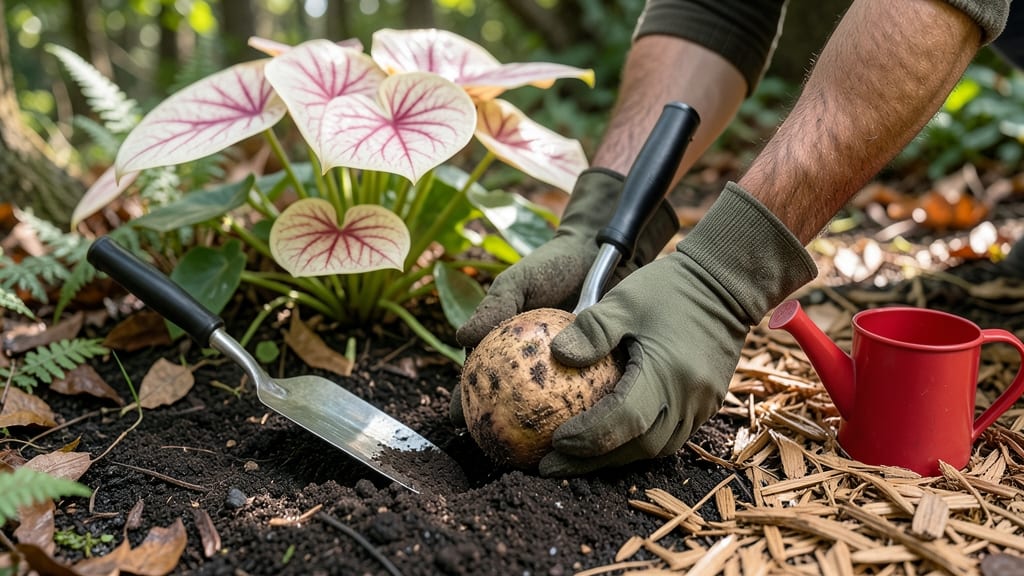
Planting caladium bulbs in Houston after the last frost — around mid-April — unlocks their full potential for vibrant summer foliage.
Houston’s scorching summers might seem intimidating for gardeners, but caladiums 🌿 actually crave the heat once they’re established. Skip the right timing, though, and you’ll end up with leggy, pale leaves instead of those bold, heart-shaped patterns you love.
This isn’t just about avoiding frost—it’s about soil warmth. Caladiums need temperatures above 65°F to sprout, which typically happens in Houston by early April. Plant too early, and you risk rot; too late, and your foliage will struggle to mature before the summer sun peaks.
Below, I’ll break down the exact window to plant, how to prep your soil for Houston’s humidity, and when to expect those showstopping leaves to emerge—plus how to keep them thriving through the heat.
Houston’s ideal caladium planting timeline: when to start for summer blooms
Caladium bulbs—known for their vibrant, heart-shaped leaves—are a Houston gardener’s secret weapon for summer color. Unlike frost-sensitive plants, they love the heat but need the right timing to establish strong roots before Houston’s brutal summer arrives.
Plant too early, and you risk rot from lingering damp soil; too late, and your foliage will struggle to mature before the heat peaks. Here’s how to nail the 4-week planting window for Zone 8b/9a.
Houston’s climate creates microclimates that shift planting needs. Urban areas with concrete heat islands may need adjustments, while rural spots with cooler nights offer a slightly longer window.
The key trigger is soil temperature: aim for 65°F (18°C) or warmer, which typically aligns with late February to early April after the last frost (usually around January 15). Use a soil thermometer to confirm—this small tool prevents costly mistakes.
For in-ground planting, wait until nighttime temperatures consistently stay above 55°F (13°C). This usually means holding off until mid-to-late March in urban areas, where heat radiates from pavement.
Rural gardeners can plant 2-3 weeks earlier thanks to cooler nights. Containers, however, can be planted 1-2 weeks earlier since they warm up faster and drain better, reducing rot risk.
Houston’s humidity and heat demand well-draining soil to prevent bulb rot. If your yard has heavy clay, amend with peat moss or perlite before planting. For containers, use a mix of 50% potting soil and 50% perlite—this combo mimics the airy conditions caladiums crave.
Pro tip: Add a 1-inch layer of gravel at the bottom of pots to improve drainage and prevent soggy roots.
Watch for heatwave warnings after planting. If temperatures exceed 95°F (35°C) for more than 3 days, provide afternoon shade with lightweight shade cloth (30-50%). This protects young foliage without stunting growth.
Urban gardeners should also monitor pavement heat: if your planting area feels hotter than 80°F (27°C) to the touch, delay planting by a week or use raised beds with insulation.
Container gardeners have a slight advantage: they can move caladiums to shadier spots during heatwaves or place pots on drip irrigation systems to maintain consistent moisture. Avoid overhead watering, which can cause fungal issues like leaf spot.
Instead, water at the base of the plant in the morning to let foliage dry quickly—a must in Houston’s humid climate.
By early April, your caladiums should show signs of growth: bright green leaves emerging from the soil. This is your cue to reduce watering frequency slightly and switch to a balanced fertilizer (10-10-10) every 4-6 weeks.
Skip fertilizing during Houston’s summer dormancy period (June-August), when the bulbs rest underground. Timing is everything—plant too late, and you’ll miss the peak summer color that makes caladiums worth growing.
For maximum vibrancy, choose varieties like 'White Queen' or 'Carolyn Wharton', which thrive in Houston’s heat. These types produce larger, more colorful leaves when planted at the optimal time. Pair them with impatiens or ferns for a lush, shade-loving combination that flourishes in Houston’s partial shade spots.
Remember: Houston’s microclimates can shift planting windows by weeks. Use your local Cooperative Extension Service (like Texas A&M AgriLife) for real-time updates on frost dates and soil conditions. With the right timing, your caladiums will reward you with months of bold foliage—long after other summer plants have faded.
Caladium planting mistakes in Houston: what to avoid for healthy foliage
Houston’s humid summers create the perfect environment for caladium bulbs, but timing and conditions can make or break your plants. The biggest mistake? Planting too early when soil is still cold, causing rot, or too late when heat stress stunts growth.
Even experienced gardeners overlook soil prep or drainage issues, leading to fungal diseases that thrive in Houston’s moisture.
I’ve seen caladiums wilt within weeks when planted in compacted clay soil—common in Houston’s urban areas. Without proper organic matter mixed in, roots suffocate, and leaves turn yellow. Another red flag? Ignoring partial shade needs. Direct afternoon sun scorches those prized colorful leaves, turning them crispy by August.
⚠️ callout warning
Planting caladium bulbs before April 15 risks frost damage, while waiting until after June 1 exposes them to heat shock. Houston’s 90°F+ days can kill tender shoots if planted too late. Soil temp should be 65°F+ at 4" depth—test with a thermometer!
💡 Pro Tip: Use mulch to regulate soil temp and retain moisture in Houston’s high humidity.
Let’s tackle the top 3 mistakes first: poor drainage, overwatering, and skipping soil amendments. Houston’s heavy rains mean your garden bed must have a 10% slope or raised edges to prevent waterlogging.
I once lost an entire batch of ‘White Queen’ caladiums because their container had no drainage holes—root rot set in within 10 days.
Another common error? Assuming caladiums are drought-tolerant. While they prefer moist soil, Houston’s heat demands daily watering until established. Let the top 1-2 inches dry between waterings, but never let them wilt.
Yellowing leaves? It’s often overwatering—caladiums hate soggy roots. Adjust your schedule based on rainfall: skip watering after a 1-inch rain.
For a foolproof Houston setup, amend soil with compost and perlite (50/50 mix) before planting.
Aim for a pH of 6.0-6.5—Houston’s alkaline soil often needs sulfur to lower pH. Test your soil 2 weeks before planting to avoid last-minute fixes. Container gardeners, use a lightweight potting mix with orchid bark for better aeration.
Finally, don’t underestimate fungal risks. Houston’s 90% humidity in summer creates perfect conditions for leaf spot and powdery mildew. Space plants 12-18 inches apart for airflow, and avoid overhead watering.
If you see black spots on leaves, prune affected foliage immediately and treat with neem oil. Prevention is key—apply copper fungicide at planting time for extra protection.
Use this quick Houston caladium checklist before planting: ☑️ Soil temp ≥ 65°F at 4" depth ☑️ Well-draining soil with organic matter ☑️ Partial shade location (morning sun max) ☑️ Drainage holes in containers ☑️ Fungal prevention (copper spray or mulch) ☑️ Watering schedule (deep soaks, morning only) 🌿