
Plants
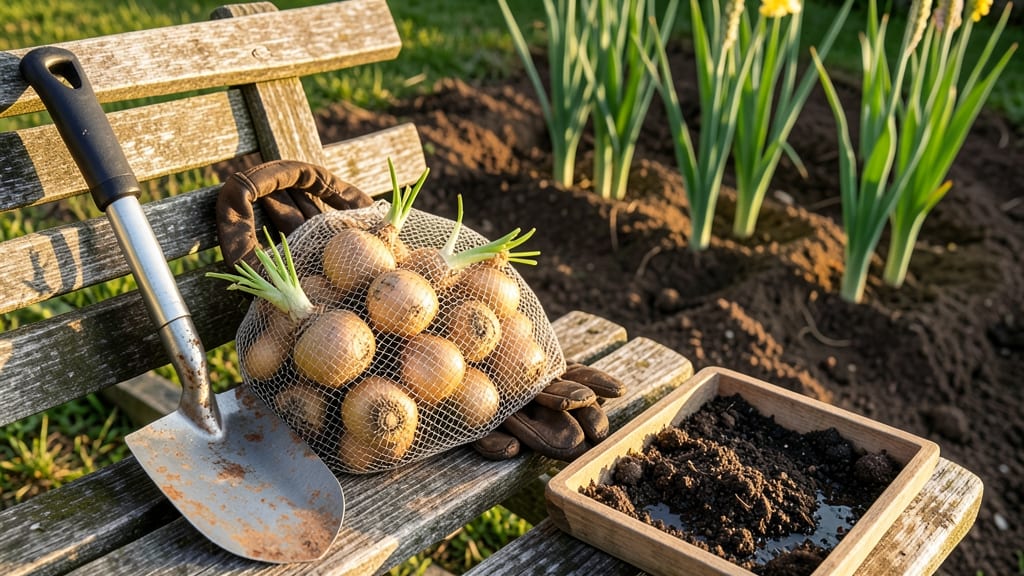
To plant gladiolus bulbs in Chicago for bold summer blooms 🌸, aim for mid-April to early June—just as the soil warms to 60°F and the last frost threat fades.
Chicago’s unpredictable spring weather can make timing your gladiolus bulb planting tricky—but getting it right means vibrant summer blooms that turn heads in every neighborhood garden.
Most gardeners here wait until after April 15, when the ground is workable and nighttime temperatures stay above 50°F. Planting too early risks frost damage, while waiting too long cuts your bloom season short.
Below, I’ll walk you through the exact window for your USDA Zone 6a patch, soil prep tricks to beat Chicago’s clay, and how to stretch those July-to-September flowers with a few simple adjustments.
Chicago’s exact gladiolus planting window: frost-free dates & hardiness zones
Chicago’s USDA Zones 5b and 6a create a unique challenge for gladiolus growers—the city’s late spring frosts (often until May 15–June 1) demand precise timing. Planting too early risks frost damage, while waiting too long delays those showstopping summer blooms you’re craving.
The key? Understanding soil temperature thresholds and Chicago’s microclimates to time your planting perfectly.
For gladiolus bulbs, the ideal soil temperature for planting is consistently above 60°F. In Chicago, this typically aligns with late May, but urban areas (like Lincoln Park) may warm faster than suburban zones.
The last average frost date in most of the city is May 15, but gardeners in Zone 5b (south suburbs) should wait until June 1 for safety.
Here’s the golden rule for Chicago gardeners: Plant gladiolus bulbs 4–6 weeks before your last frost date, but only when soil temps hit 60°F. This timing ensures roots establish before summer heat arrives.
For example, if your last frost is May 20, aim for mid-April planting—but monitor soil temps closely!
Pro Tip: Use a soil thermometer to check depth (4–6 inches down). If temps fluctuate below 60°F, delay planting by 1–2 weeks to avoid stunted growth. Chicago’s urban heat islands can create 5–10°F warmer microclimates, so adjust accordingly.
| Planting Window | USDA Zone | Last Frost Date | Soil Temp Threshold | Action |
|---|---|---|---|---|
| Mid-April to early May | Zone 6a (North Chicago, Evanston) | May 15 | 60°F+ | Plant bulbs 4–6 weeks before frost |
| Late April to mid-May | Zone 5b (South Suburbs, Bolingbrook) | June 1 | 60°F+ | Wait until soil warms; risk of late frost |
| Early June (emergency) | Both Zones (if frost delayed) | After June 1 | 60°F+ | Stagger planting; expect shorter blooms |
| Urban Microclimates (e.g., Downtown) | Zone 6a (warmer pockets) | May 1–15 | 55°F+ (sooner) | Plant 2 weeks earlier; monitor temps |
Chicago’s summer heat waves (often hitting 90°F+ by July) can stress gladiolus if planted too early. Bulbs need 6–8 weeks to establish roots before blooming, so late May plantings in Zone 5b often yield healthier, taller spikes.
For example, ‘Star Gazer’ gladiolus planted on May 20 in Zone 6a typically blooms by early August.
If you’re in a suburban area with cooler soils (like Naperville), consider staggered planting: Start with 1/3 of your bulbs in early May, then add the rest 2 weeks later.
This extends your bloom season from July to September, giving you cut flowers for holidays and longer enjoyment of those dramatic spikes.
One critical mistake Chicago gardeners make? Ignoring soil drainage. Gladiolus hate soggy roots, and Chicago’s clay-heavy soils (common in Zone 5b) can trap moisture.
Amend your beds with compost or sand to improve drainage, and plant bulbs on mounds or raised beds if your yard floods after heavy rains.
For container gardening in Chicago (great for patios or balconies), plant gladiolus bulbs in well-draining pots by late May. Use a lightweight potting mix with perlite, and place containers where they’ll get full sun (like south-facing decks).
Containers warm faster than ground soil, so you can plant 1–2 weeks earlier than in garden beds.
Remember: Chicago’s weather is unpredictable, but with these frost-free guidelines, you’ll maximize your gladiolus success. Mark your calendar for May 15–June 1, test your soil, and get ready for stunning summer displays that’ll make your neighbors green with envy! 🌸
How to adjust planting timing for Chicago’s microclimates & summer heat waves
Chicago’s urban heat islands and suburban microclimates create wildly different growing conditions—even just blocks apart. Urban areas like Logan Square can hit 90°F+ by July, while suburban Evanston stays cooler near Lake Michigan.
These differences mean your gladiolus planting timing should shift based on location to avoid wilting before blooms appear.
For heat-tolerant varieties like ‘Star Gazer’ or ‘Black Star’, I recommend staggered planting every 2 weeks from mid-April to early June. This ensures continuous blooms through August and September, when Chicago’s summer heat peaks.
In urban areas, opt for earlier planting (April) to beat the heat, while suburban gardens can wait until late April or May.
- Urban Areas: Plant 4-6 weeks before last frost (by mid-April) to avoid July heat stress. Use reflective mulch to reduce soil temps.
- Suburban Areas: Delay until late April-early May for cooler microclimates. Prioritize morning sun exposure to prevent wilting.
- Heat-Tolerant Varieties: Choose ‘Star Gazer’ or ‘Green Star’—they thrive in 85°F+ with proper watering. Avoid ‘Picasso’ for urban heat.
- Staggered Planting: Install 3 batches every 2 weeks to extend blooms through September. Start with earliest varieties first.
- Soil Prep: Amend with compost + perlite for drainage. Urban soils often compact—add 1 inch of mulch post-planting.
Chicago’s July-August heat waves can turn gladiolus leaves yellow or crispy if planted too late. To combat this, I always water deeply in the morning (1-1.5 inches) and mulch heavily to retain moisture. For container gardens in urban areas, use self-watering pots to prevent drought stress.
Another trick I’ve used is shade cloth for newly planted bulbs in south-facing urban beds. A 30% shade cloth during June’s heat spikes protects young shoots while still allowing 6+ hours of sunlight—critical for gladiolus growth. Remove the cloth by mid-July to encourage flowering.
Don’t forget to harvest spent blooms regularly to redirect energy to new flower spikes. In my Lincoln Park garden, this simple step extended blooms by 3-4 weeks compared to neighbors who didn’t deadhead.
For suburban gardens, focus on evening watering to reduce evaporation loss from hot pavement heat radiating onto beds.
By adjusting your planting schedule just 2-4 weeks earlier in urban areas and prioritizing heat-tolerant varieties, you’ll enjoy bold gladiolus blooms all summer—even when Chicago’s thermometer climbs. The key is observation: monitor your garden’s microclimate and adjust timing accordingly. 🌸