
Plants
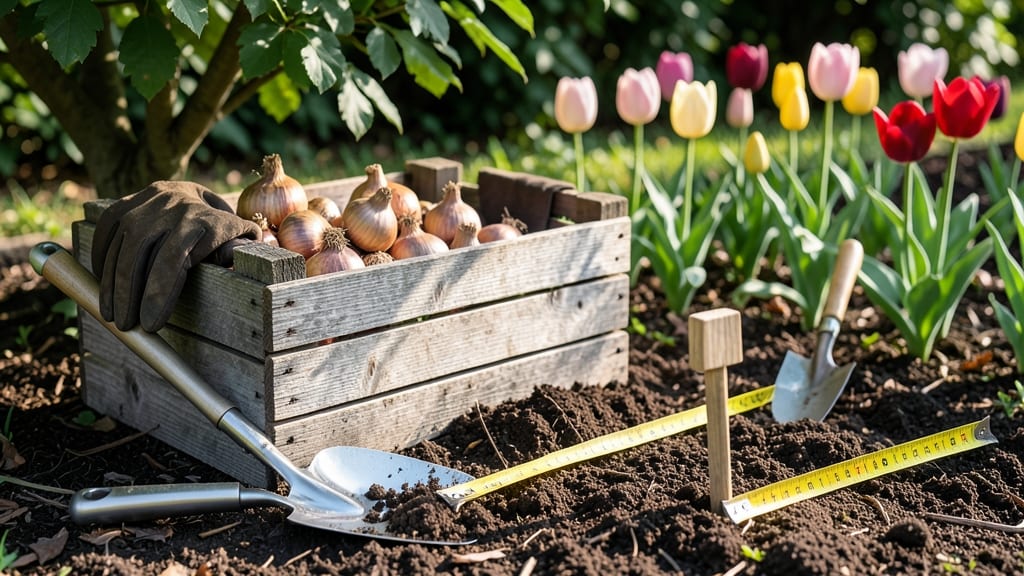
Planting tulip bulbs in Virginia between October and December ensures they get the 6-8 weeks of chill they need to bloom vibrantly in spring 🌷 — but timing is everything in Zone 7B’s unpredictable climate.
Virginia gardeners know timing is everything — plant tulip bulbs too early, and they’ll rot; too late, and you’ll miss the chill hours they need to bloom. Mastering Zone 7B’s tricky climate means understanding exact planting windows and soil conditions for vibrant spring flowers.
If you’ve ever waited until January to plant and watched your bulbs sprout only to wilt in spring’s sudden warmth, you’re not alone.
The key is planting 4-6 weeks before the ground freezes, usually by mid-November, but adjusting for your specific microclimate — coastal areas may need an earlier start than inland Piedmont.
Below, I’ll walk you through Virginia’s ideal planting window, soil prep tips for clay-heavy gardens, and how to protect your bulbs from winter heaving so you can enjoy months of reliable blooms next spring.
Virginia’s ideal tulip planting window by chill-hour requirements
Virginia’s Zone 7B climate creates a unique challenge for tulip lovers—too early, and bulbs rot; too late, and they miss critical chill hours needed to bloom. The sweet spot? Planting 6-8 weeks before the first hard frost, typically between mid-October and early December in most Virginia regions.
This window ensures bulbs establish roots while getting the 12-16 weeks of cold exposure (below 45°F) that triggers spring blooms.
Not all tulips have the same needs. Classic tulips (like ‘Parrot’ or ‘Darwin Hybrid’ varieties) thrive with 12-16 weeks of chill hours, while species tulips may need fewer (8-10 weeks).
Virginia’s mild winters in coastal areas (like Norfolk) can be tricky—some years, bulbs may not get enough cold, leading to weak or no blooms. Always check local frost date maps (like the National Weather Service) to adjust your timing.
Soil temperature plays a hidden role. Bulbs need 40-50°F soil to root properly—warmer than 50°F, and they’ll sprout too early; colder than 40°F, and root growth stalls.
In Virginia, this usually aligns with October’s average soil temps, but early November can still work if your soil drains well. Use a soil thermometer to confirm before planting.
| Tulip Type | Chill Hours Needed | Virginia Planting Window | Soil Temp for Planting | Key Notes |
|---|---|---|---|---|
| Classic Tulips (e.g., 'Parrot', 'Fransen') | 12-16 weeks | Mid-October to early November | 40-50°F | Best for full sun; may need staking |
| Darwin Hybrid Tulips | 14-18 weeks | Late October to mid-November | 40-48°F | Taller; needs deep, well-draining soil |
| Species Tulips (e.g., 'Kaufmanniana') | 8-10 weeks | Early October to late October | 45-55°F | Smaller bulbs; plant shallower (4-6") |
| Late-Blooming Tulips (e.g., 'Fosteriana') | 10-14 weeks | Early November to December 1 | 38-45°F | Blooms later; needs extra cold |
Virginia’s microclimates add another layer. Inland areas (like Roanoke or Charlottesville) tend to have colder winters and longer chill periods, while coastal zones (like Virginia Beach) may see shorter, milder winters.
For coastal gardeners, prioritize early October planting to maximize chill exposure. If you’re unsure, plant in early November—it’s safer than cutting it too close to frost dates.
Don’t overlook soil drainage, a common pitfall in Virginia’s clay-heavy soils. Tulip bulbs rot in soggy soil, so amend with compost or sand if your garden holds water. A simple test: Dig a hole, fill it with water, and time how long it drains.
If it takes more than 4 hours, improve drainage before planting. Raised beds are a great solution for problem areas.
Pro tip: Use mulch after planting to insulate bulbs and regulate soil temps. A 3-inch layer of straw or shredded leaves helps prevent winter heaving (when bulbs push out of the ground) and keeps soil temps stable. Remove mulch in early spring once shoots emerge to avoid rot.
If you’re forcing tulips indoors for holiday blooms, plant bulbs in containers by mid-October and place them in a cool, dark spot (like a garage) until December. This mimics Virginia’s natural chill cycle while giving you control over bloom timing. Just remember: forced bulbs won’t rebloom
Step-by-step fall planting checklist for Virginia gardens
Fall planting in Virginia’s Zone 7B gives tulip bulbs the perfect head start, but timing and soil prep make all the difference. The key window runs from mid-October to early December, when soil temps hover around 50-60°F—ideal for root growth before winter dormancy.
Miss this window, and you risk bulbs rotting in wet soil or failing to establish roots before frost.
Start by ordering tulip bulbs in late summer (August-September) from reputable nurseries like Richters or Bare Root Nursery. Virginia’s clay-heavy soils need special attention—amend with compost or sand to improve drainage, and test your soil’s pH (aim for 6.0-7.0).
A simple dollar-store pH test kit works perfectly for this task.
🌱 Step-by-Step Fall Planting Checklist
- Step 1: Order Bulbs – Purchase tulip bulbs by September 15 for best selection. Look for firm, dry bulbs with no mold or soft spots.
- Step 2: Test Soil – Conduct a drainage test: Dig a 12-inch hole, fill with water, and time how long it takes to drain. If it takes more than 6 hours, amend with sand or compost.
- Step 3: Amend Soil – Mix in 2-3 inches of compost or organic matter to improve clay soils. For pH adjustment, add lime (to raise pH) or sulfur (to lower pH) based on test results.
- Step 4: Plant Bulbs – Plant 6-8 inches deep, 4-6 inches apart, with the pointy end up. Space rows 8-12 inches apart for easy maintenance.
- Step 5: Mulch Properly – Use straw (3-4 inches) for insulation or pine needles (2-3 inches) to retain moisture. Avoid thick layers of wood chips, which can mat down and suffocate bulbs.
- Step 6: Water Deeply – Give bulbs a deep watering after planting, then water weekly until the ground freezes. Avoid overwatering in winter to prevent rot or heaving.
- Step 7: Monitor for Heaving – In freeze-thaw cycles, bulbs may push up. Gently press them back down with soil and mulch to prevent exposure.
After planting, mark your tulip beds with stakes or flags to avoid disturbing them in spring. Virginia’s clay soils can compact easily, so avoid walking on beds once planted. If you notice mold or slimy soil after rain, improve drainage immediately to prevent bulb rot.
Once the ground freezes (typically late November in Virginia), reduce watering to monthly light checks. This prevents winter heaving, where bulbs push up due to freeze-thaw cycles. In early spring (March), remove mulch and let sunlight warm the soil—this triggers blooming!
Pro tip: Plant daffodils alongside tulips to deter squirrels and deer, which love tulip bulbs. These perennial companions also improve soil health over time, making your Virginia garden more resilient year after year.