I’ve spent my entire life surrounded by plants—first in my grandfather’s greenhouse in rural Ohio, then in my own backyard after moving out. There’s nothing quite like the quiet satisfaction of watching something grow from a tiny seed into something vibrant and alive. This site is where I share the lessons I’ve learned along the way, whether it’s troubleshooting a finicky tomato plant or finding the perfect spot for a shade-loving fern. My goal is to make gardening feel less like a chore and more like a creative adventure.
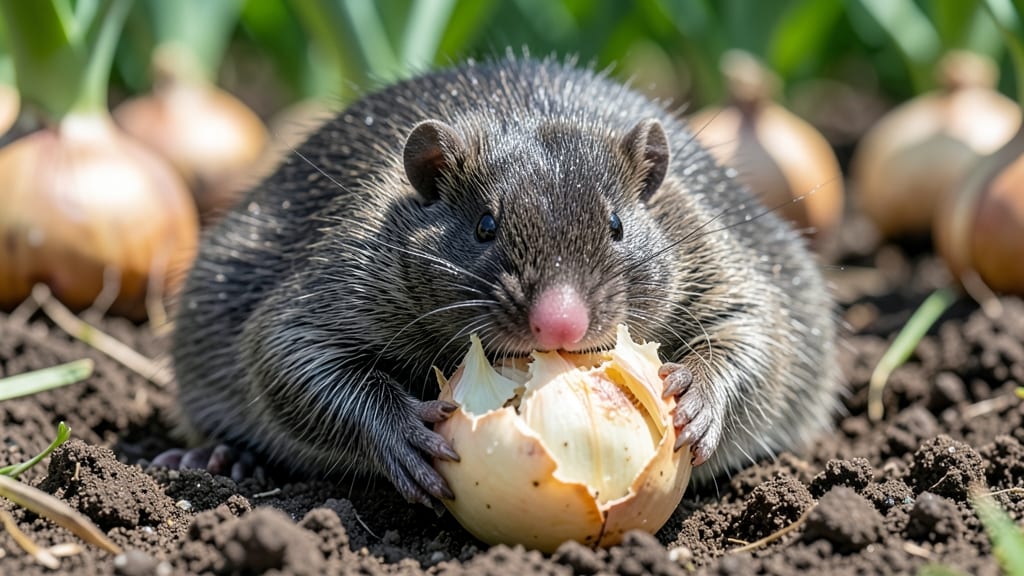
💥 Quick Answer Moles don't typically eat tulip bulbs, but their tunneling activities near roots create ideal conditions for bulb rot and attract other pests that will. Their diet focuses on soil-dwelling insects like…
💥 Quick Answer Ranunculus bulbs multiply naturally by producing offsets—small bulblets that form around the parent bulb. After 2-3 years, these offsets create dense clumps, but dividing them every 3-4 years keeps plants…
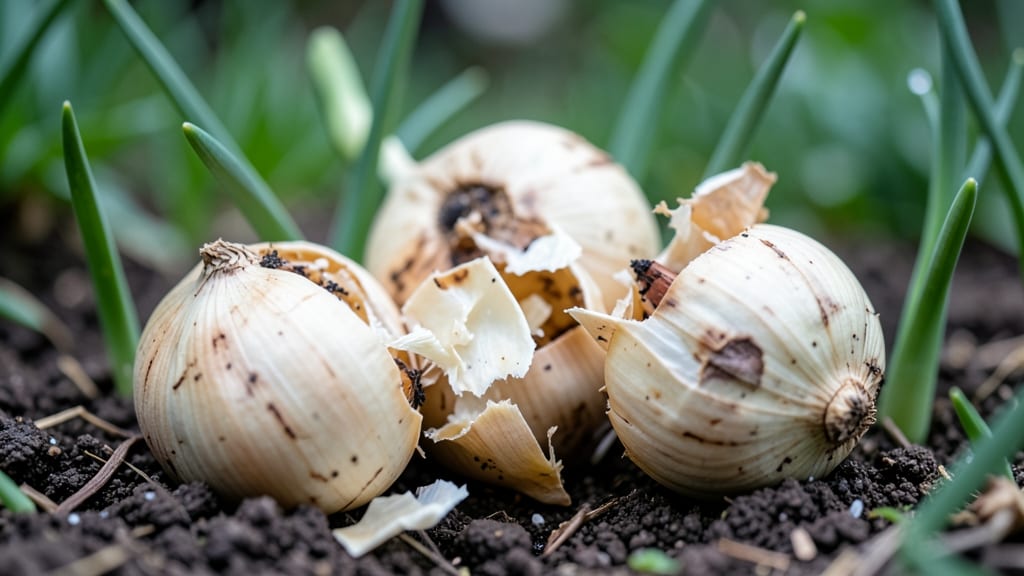
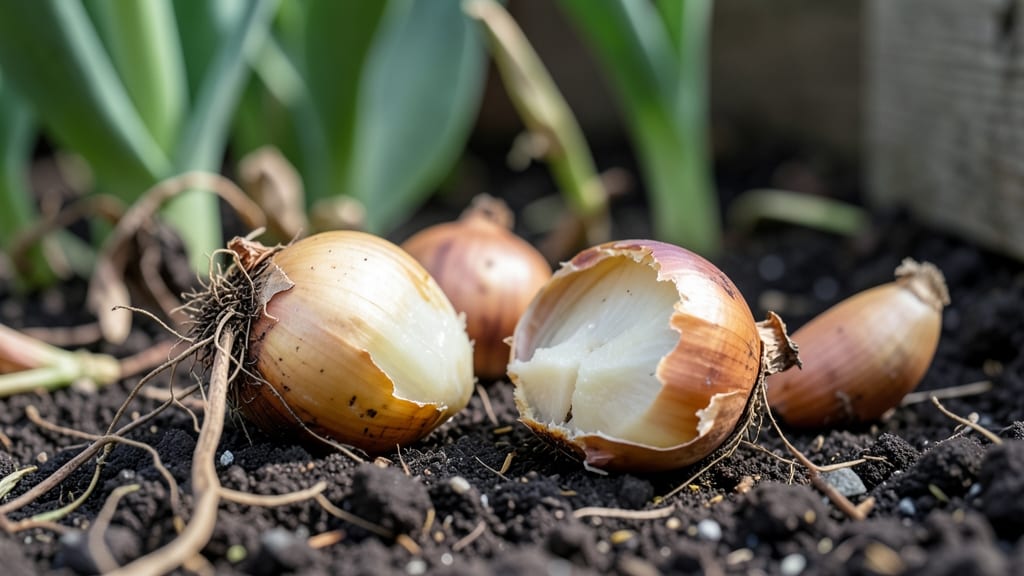
💥 Quick Answer Yes, squirrels eat bulbs—especially tulips, daffodils, and crocuses—by digging them up to reach the starchy roots. Their relentless foraging can uproot entire garden beds, leaving behind hollowed soil and…
💥 Quick Answer Squirrels do eat tulip bulbs, digging them up to consume the starchy interior, which provides essential nutrients during late winter and spring when food is scarce. Their foraging can destroy entire tulip…
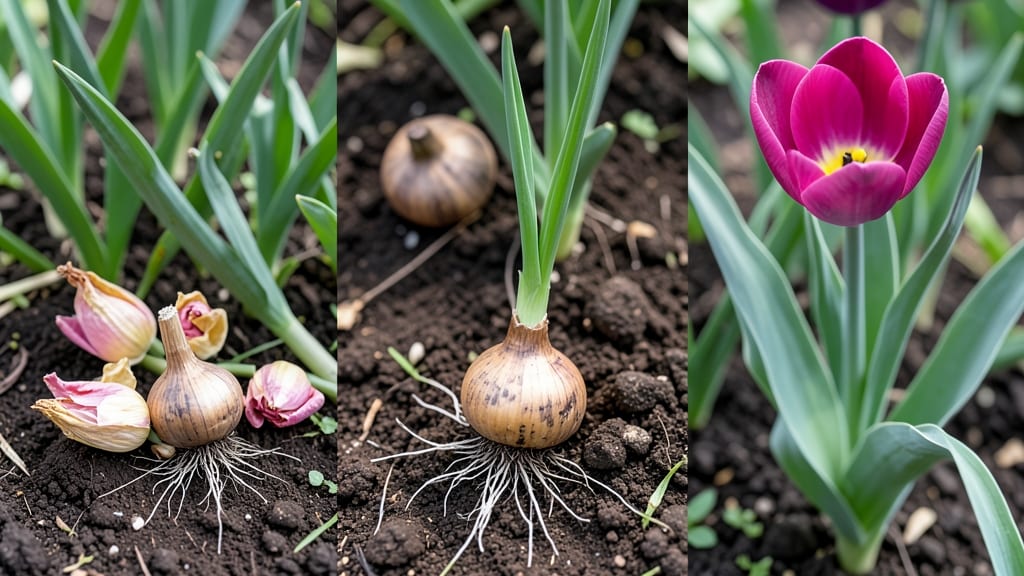
💥 Quick Answer Tulip bulbs do come back every year, though their blooms may weaken over time without proper care. Most varieties will return annually if planted in well-draining soil with full sunlight and left…
💥 Quick Answer Tulip bulbs rarely regrow in warmer climates after flowering, since most gardeners treat them as annuals. However, in cooler regions, they can sometimes produce a second bloom with proper aftercare—like…
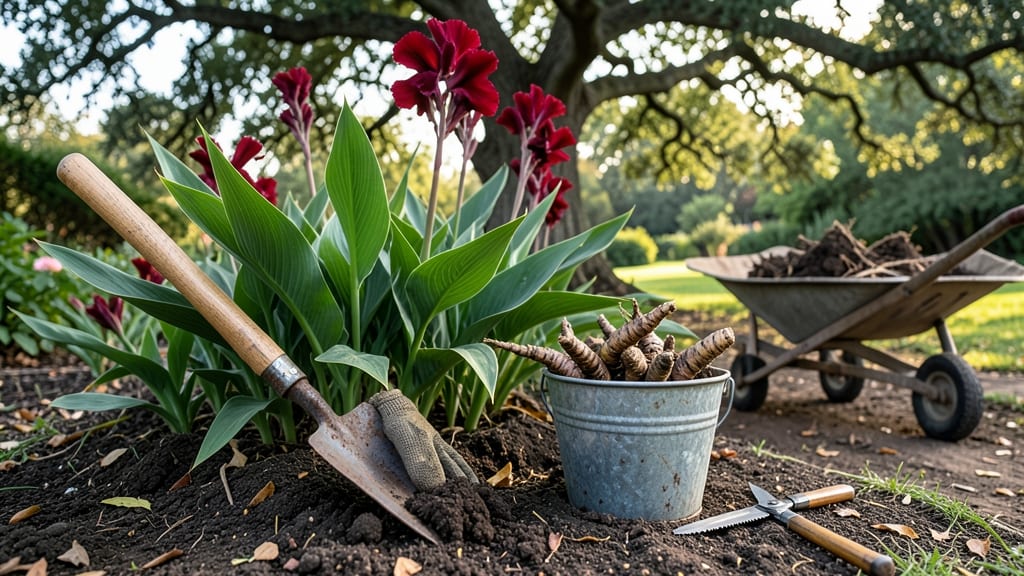
💥 Quick Answer Whether you have to dig up canna bulbs every year depends on your climate—hardy varieties in USDA zones 8-11 can safely overwinter in the ground with proper mulching, while colder regions require annual…
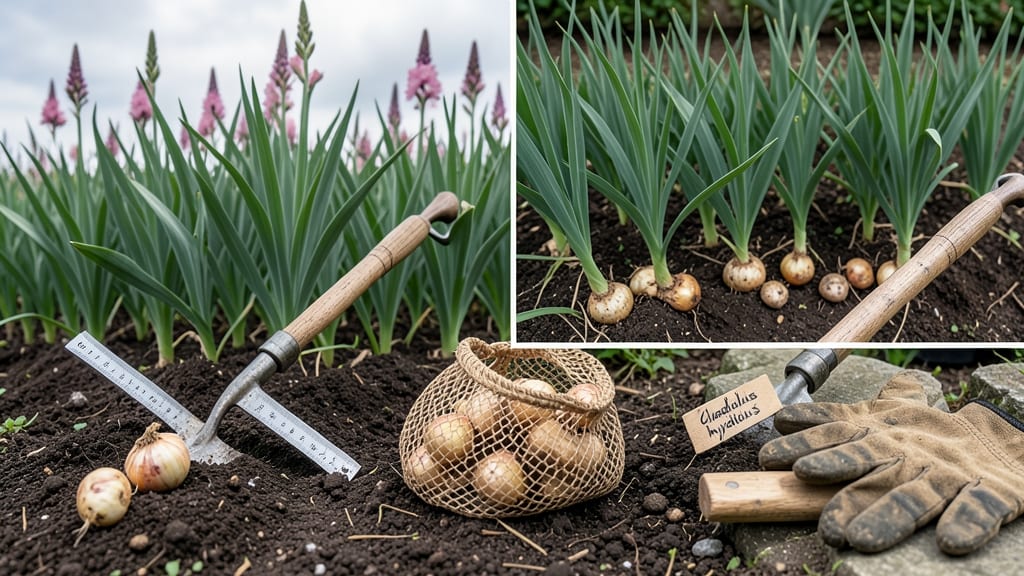
💥 Quick Answer You don’t always have to dig up gladiolus bulbs every year—leaving them in mild climates can work, but in cold zones, freezing kills them. Digging in fall (Zone 7+) or spring (warmer areas) extends bulb…
💥 Quick Answer You do have to dig up tulip bulbs every year only if they're tender varieties, like parrot or fringed tulips, which need protection from harsh winters. Hardy types, such as Darwin hybrids or species…
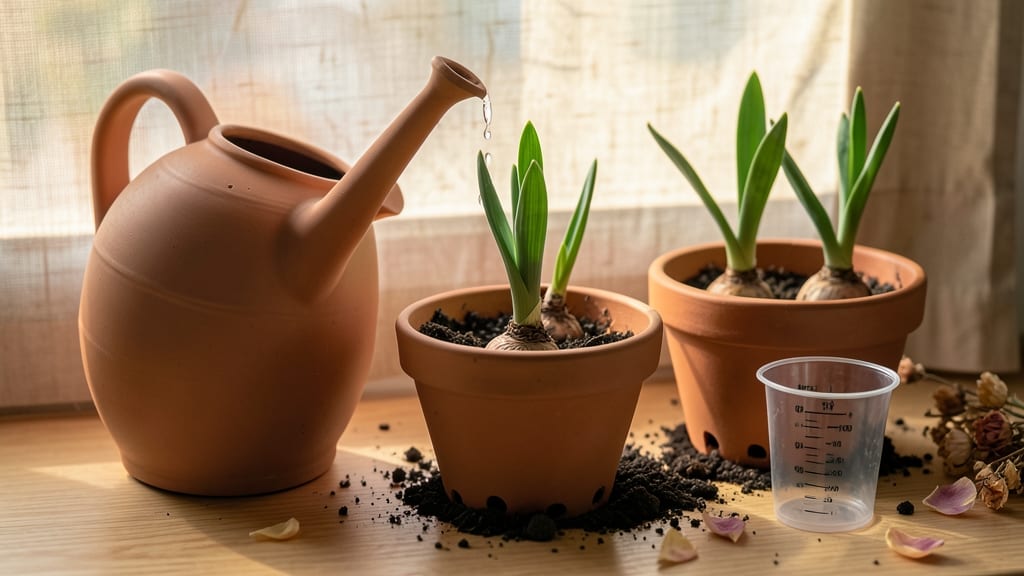
Watering tulip bulbs after planting in pots is the secret to coaxing those bright spring blooms —but do it wrong, and you risk rot or stunted growth before the flowers even appear. Most gardeners assume a quick drink…